01
Vehicle Security Research
I inspect newly released commercial vehicles and examine physical construction, electrical architecture and programmed system behaviour to identify potential weaknesses before attack methods become widely established.

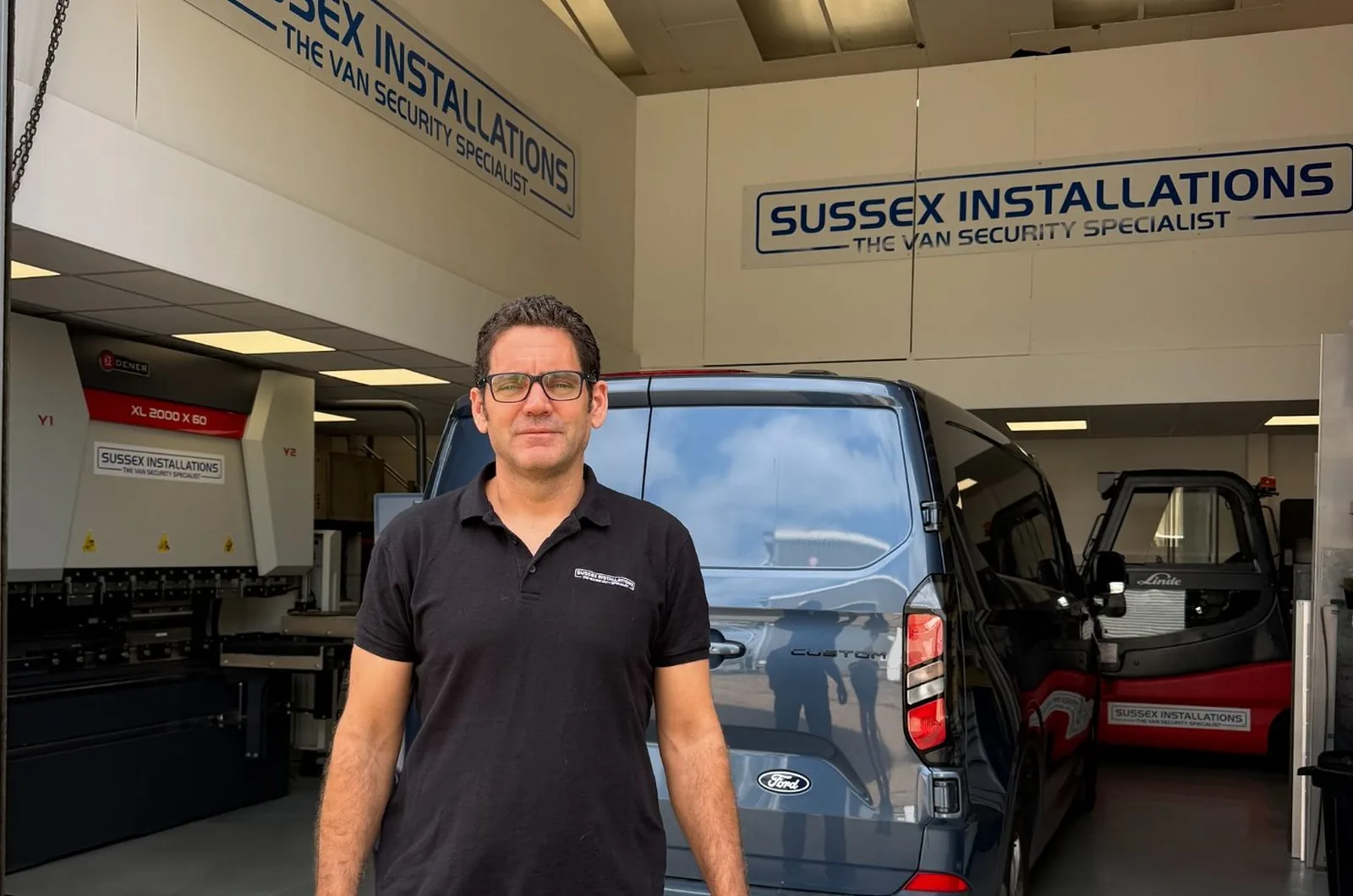
Professional Profile
Automotive Security Specialist • Inventor • Product Designer • Industry Educator
Research • Innovation • Product Development • Consultancy • Industry Leadership
Jeff Scott is an automotive security specialist with more than 23 years of hands-on experience in commercial vehicle security.
He is the founder of Sussex Installation Team Ltd and combines workshop installation experience with vehicle vulnerability research, physical product development, manufacturing, technical consultancy and industry software design.
Jeff researches commercial vehicle security by analysing how modern vehicles operate as integrated mechanical, electrical and software-controlled systems. His work includes examining vehicle construction, door architecture, locking systems, wiring layouts, electrical integration, sensor inputs and electronic control behaviour to identify potential vulnerabilities.
By combining practical installation experience with knowledge of vehicle electrical systems, body control modules and programmed vehicle behaviour, Jeff develops security strategies and products that consider the whole vehicle rather than focusing on individual components in isolation.
His work sits at the intersection of mechanical vehicle design, electrical systems, software-controlled behaviour and practical commercial vehicle security.
Through his dedicated van security channel, Jeff shares first-hand insight into changing vehicle crime, emerging attack methods and weaknesses discovered while examining damaged vans. His specialist knowledge has also led to appearances on television and radio as a van security expert.
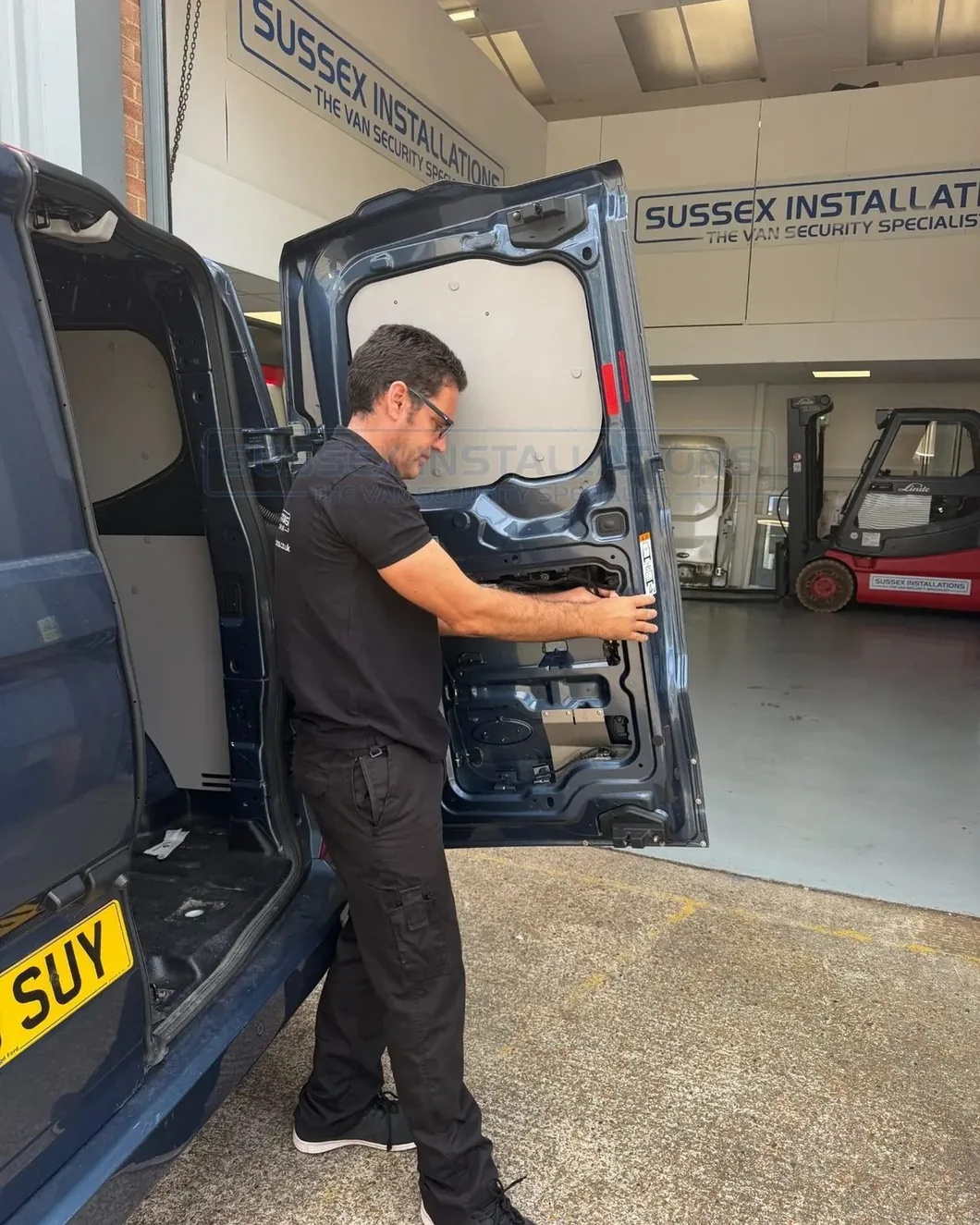
My work centres on understanding how commercial vehicles are designed, how criminals attempt to defeat their security and how better physical, electronic and software-led solutions can be developed.
I inspect newly released commercial vehicles and examine physical construction, electrical architecture and programmed system behaviour to identify potential weaknesses before attack methods become widely established.
Product design, development and manufacturing. I specialise in vehicle-specific van security shielding, including visible external protection, covert internal shields and anti-cut-around devices developed in response to real-world attacks and vehicle vulnerabilities.
I identify weaknesses in original vehicle designs and develop layered strategies combining physical protection, electronic security, an additional layer of mechanical security and user behaviour.
I offer independent security reviews of commercial vehicles and automotive products, assessing mechanical design, electrical architecture, control logic, attack resistance, installation practicality and user interaction.
I assess how physical construction, wiring, electrical signals, sensor inputs and body control module logic interact, identifying situations where legitimate vehicle behaviour may unintentionally reduce security.
I explain changing vehicle crime, emerging attack methods and practical security strategies through television, radio, YouTube and social media.
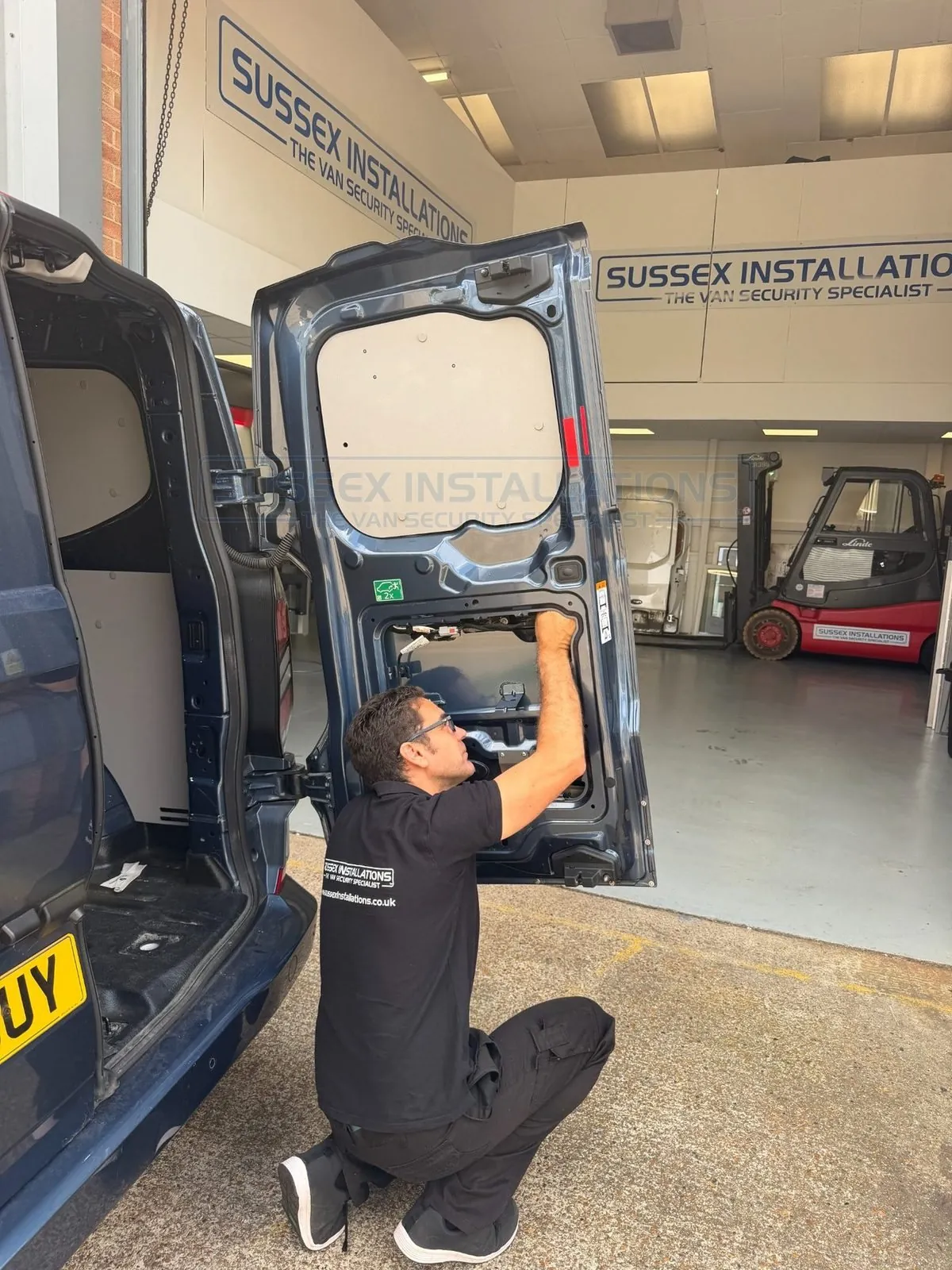
I inspect new vehicle platforms before criminal attack methods have necessarily become established. I look at how doors, locks, latches, reinforcement structures and wiring have been assembled, as well as how control systems respond to different inputs and events.
This allows me to consider the vehicle as one connected system rather than looking at each component in isolation.
My aim is not simply to make a piece of metal that fits over a damaged area. I look at what an attacker is trying to reach, how the attack is likely to develop and how several forms of protection can work together.
Products are developed with security, style and installation in mind. This includes shaping components for easier positioning, developing vehicle-specific fitting methods and producing detailed installation instructions.
Recent developments include a triple-layer internal latch shield with a cable-exit shield appendage designed to help deflect attacks away from vulnerable internal components.
In 2025, we launched a new range of dual-adhesive, stick-on security shields under our registered EASYFIX trademark. The range uses patent-pending dual-adhesive technology to combine immediate positioning and retention with a longer-term curable bond.
We also launched our Stealth Trap and Stealth Trap Anchor anti-cut-around devices. These patent-pending designs include anti-cut wings, while the Stealth Trap Anchor also connects protection to the internal structure of the door.
My work includes patent-pending innovations, registered trademarks and UK registered designs.
I offer independent security reviews for commercial vehicles, automotive technology and vehicle-related products. This service is suitable for manufacturers, technology companies, product designers, converters, fleets and other organisations seeking an experienced practical perspective on security.
Drawing on more than 23 years of hands-on experience, I review the complete security picture rather than looking at one component in isolation. This can include physical design, mechanical construction, electrical integration, wiring access, sensor inputs, control-system behaviour, installation practicality, user interaction and how a vehicle or product may perform when exposed to realistic methods of attack.
Each review can be tailored to the vehicle, product or stage of development and may result in practical design feedback, security strategy recommendations and clear priorities for improvement.
Every review considers how mechanical construction, electrical systems, software-controlled behaviour and real-world user interaction combine to influence overall security.
In addition to physical vehicle security products, I create specialist software concepts for the automotive and vehicle installation industries.
Working alongside our employed software developer, I identify the operational problem and define how the system should behave. My role includes planning workflows, business rules, database relationships, user-interface behaviour and how users should interact with the system.
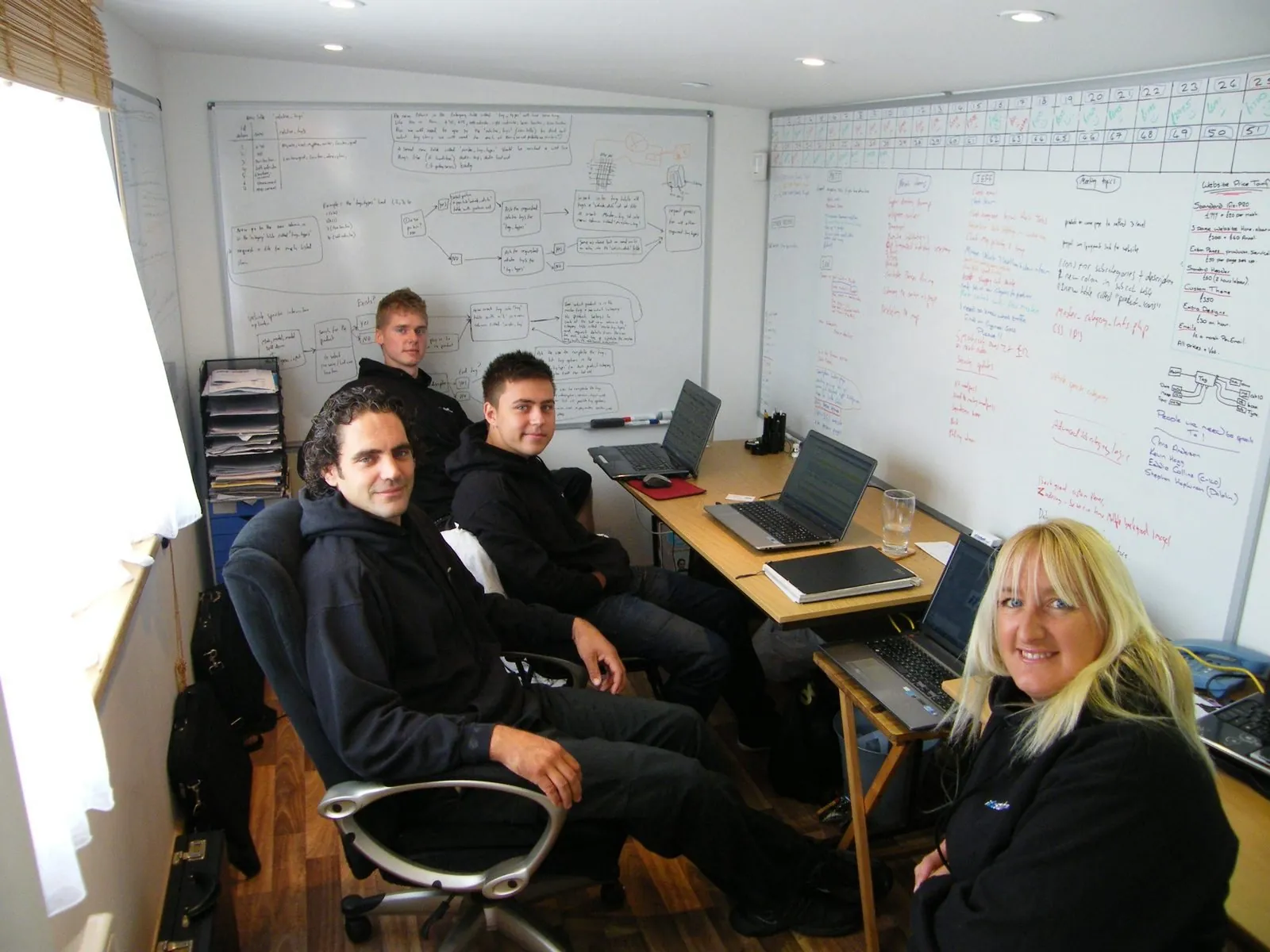
2013 — My head was full of ideas about how technology could improve the vehicle aftermarket industry. To turn those ideas into reality, I employed two web developers and built an office in my back garden where they worked while I planned, managed and led the development of new software and app projects.
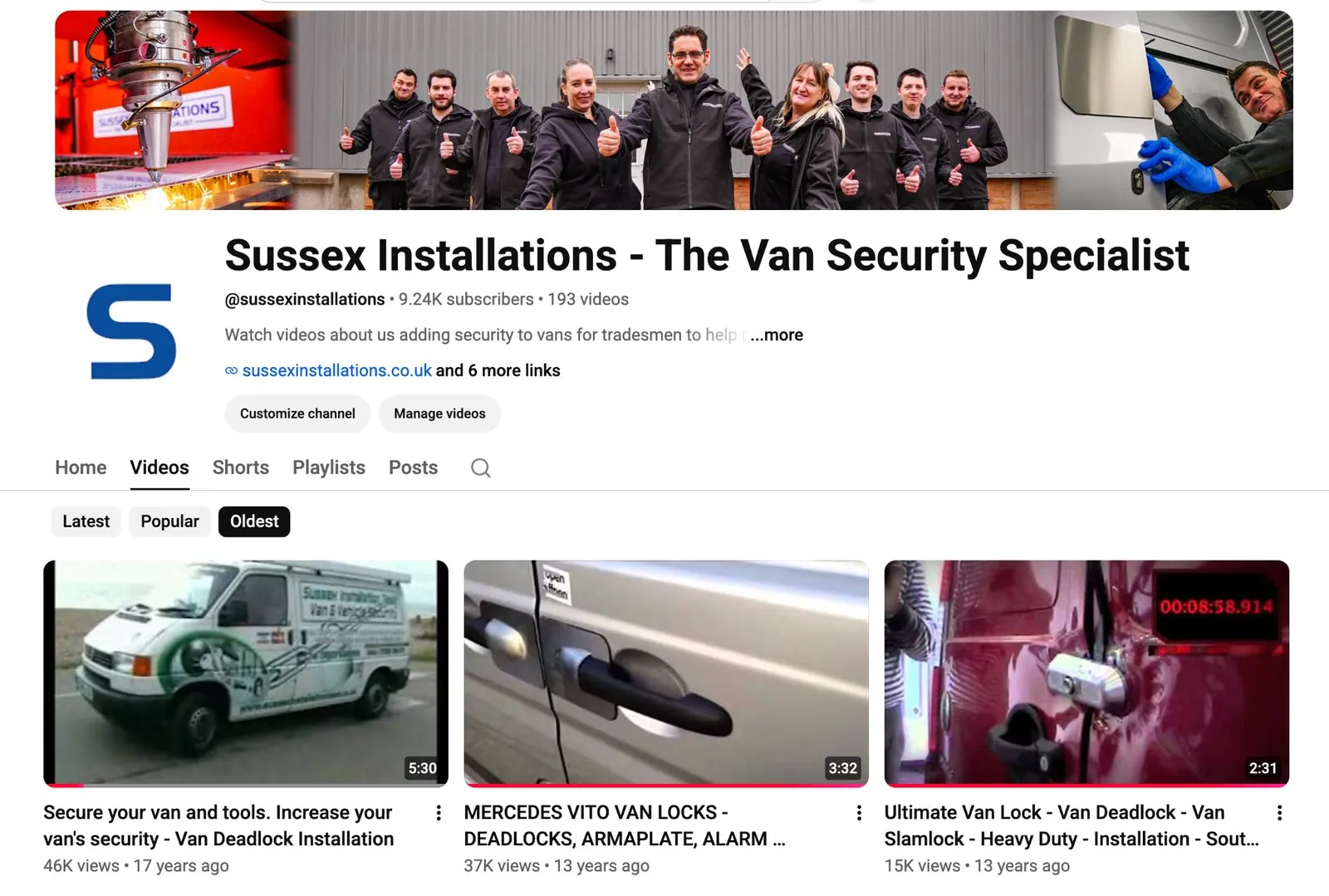
Since 2009, the Sussex Installations YouTube channel has helped van owners understand security products, emerging risks, correct vehicle settings and practical ways to reduce theft.
Understanding vehicle vulnerabilities carries a responsibility. I share enough information to help legitimate vehicle owners understand risk and improve protection, but I avoid unnecessarily publishing technical detail that could facilitate new attacks.
Where I discuss a break-in method publicly, I generally do so only after that method has already been made public elsewhere. My focus is prevention, mitigation and practical engineering improvements.
Since joining the ifitstuff installer community in 2006, I have tried to improve standards across the wider vehicle-security and aftermarket installation industry by sharing tooling, techniques, vehicle-specific knowledge and customer-service principles.
ifitstuff became a place for specialist installers to exchange technical information, discuss difficult jobs and support one another. That belief in being stronger together has shaped my approach to education, standards and professional collaboration ever since.

In 2008, as Sussex Installation Team Ltd developed a specialist focus on van security, I invested in more precise tools and developed a more thorough method of deadlock installation. My process included trial fitting, removing the lock for a complete clean-down, using compressed air to remove metal swarf, treating exposed metal against corrosion and only then completing the final installation.
This took longer than the common fitting methods of the period, but it delivered the standard I believed van owners deserved. I later demonstrated those methods publicly through YouTube and encouraged installers within the ifitstuff community to adopt better tools, swarf removal and corrosion-prevention practices.
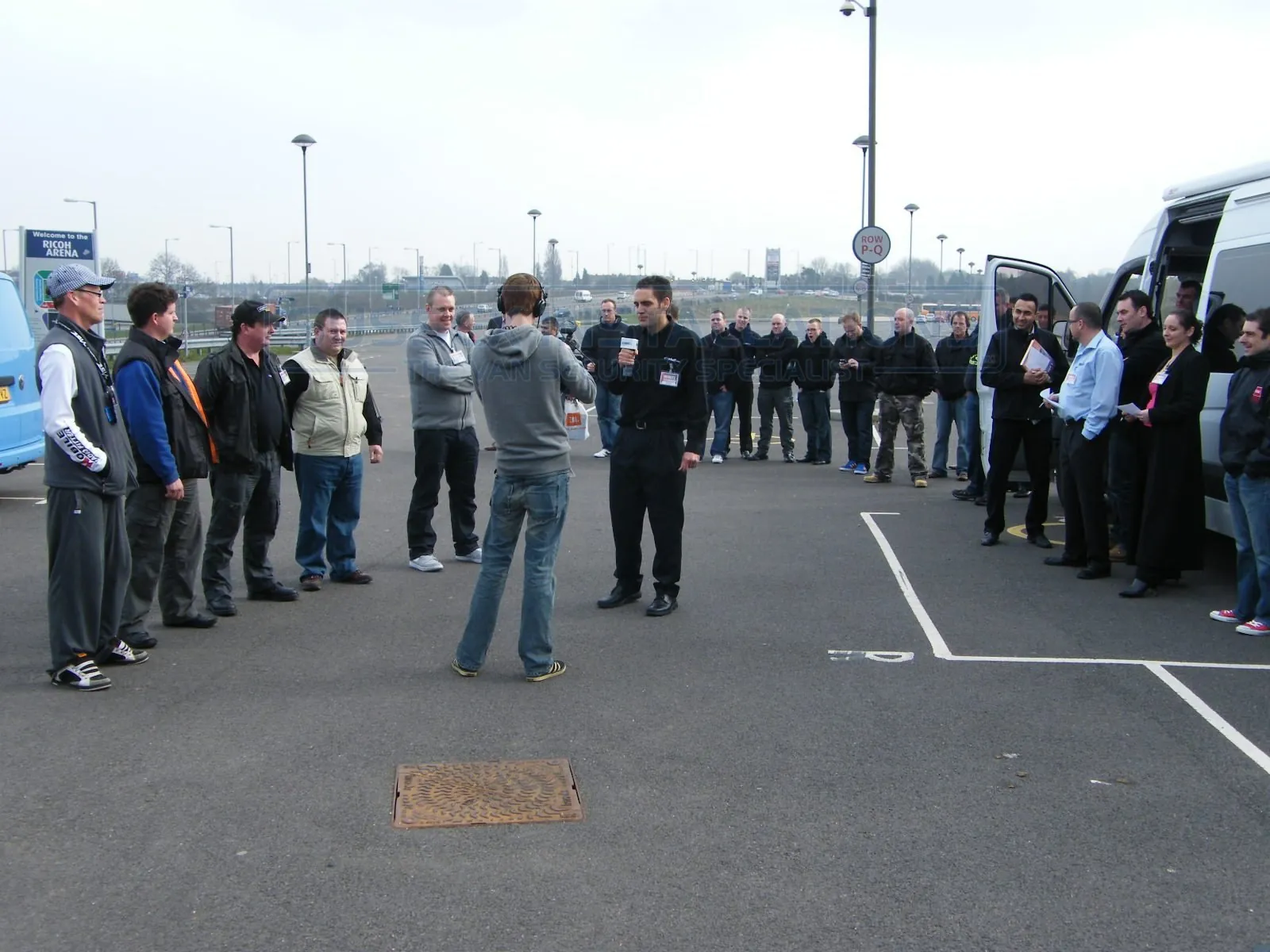
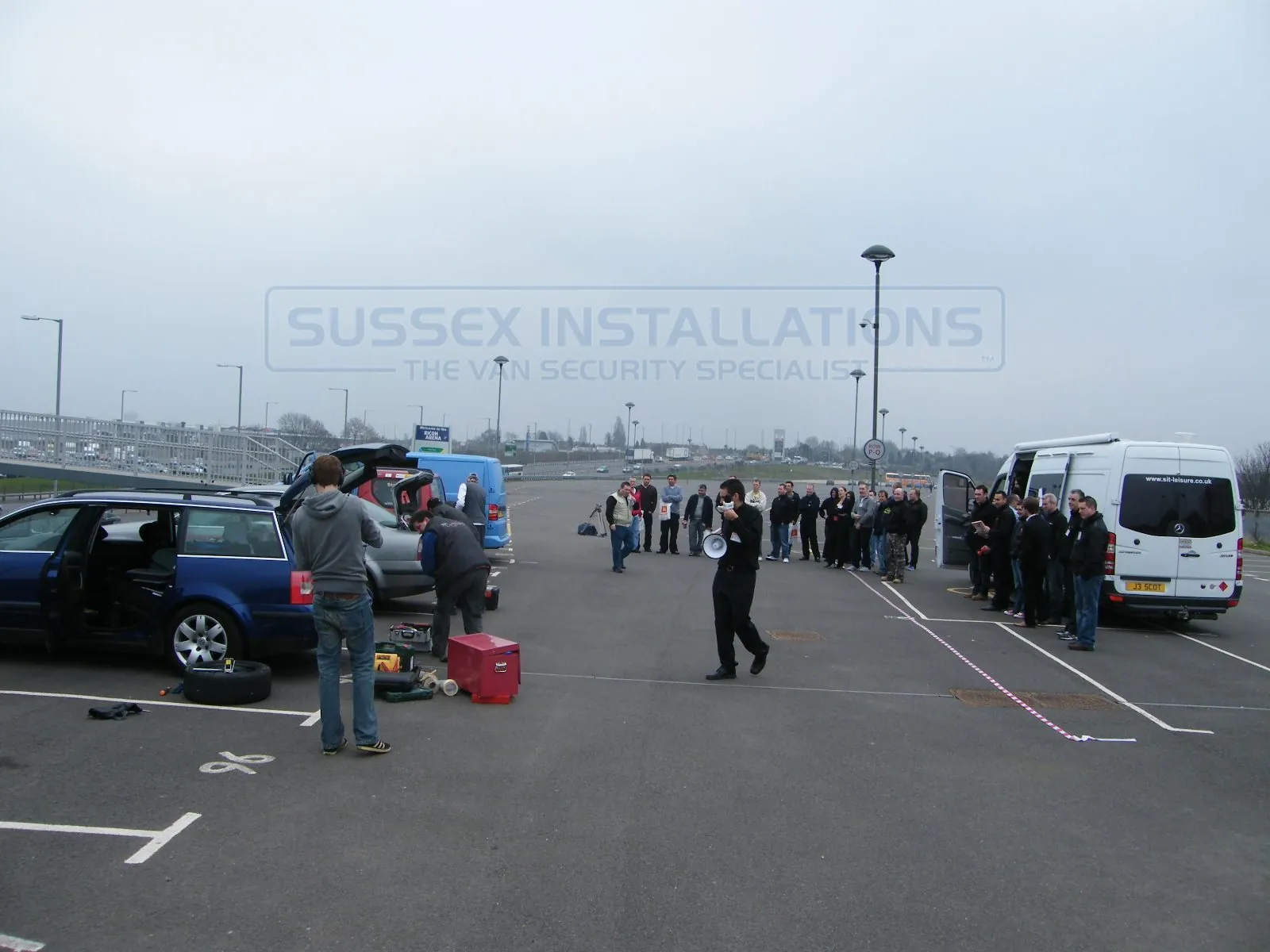
I created the Prepared Mobile Installers Challenge at industry events to encourage professional preparation and better-organised mobile workshops. Audience members called out tools and competing installers had to locate them quickly inside their installation vehicles.
The exercise was not really about speed. It highlighted the value of carrying the correct specialist equipment, organising a mobile workshop properly and being ready to deliver a consistent professional installation. It also supported the wider principles documented within my ifit-3SI Safe, Secure and Sustainable Installations standard.
Although influencing the wider industry is a reduced focus today, the commitment remains. Over time I concentrated more of my energy on building Sussex Installations, employing people who shared those values and creating a controlled culture where I could influence every part of the customer experience.
Rather than using one long chronological timeline, the milestones are grouped by the areas in which I have contributed to commercial vehicle security and the wider installation industry.
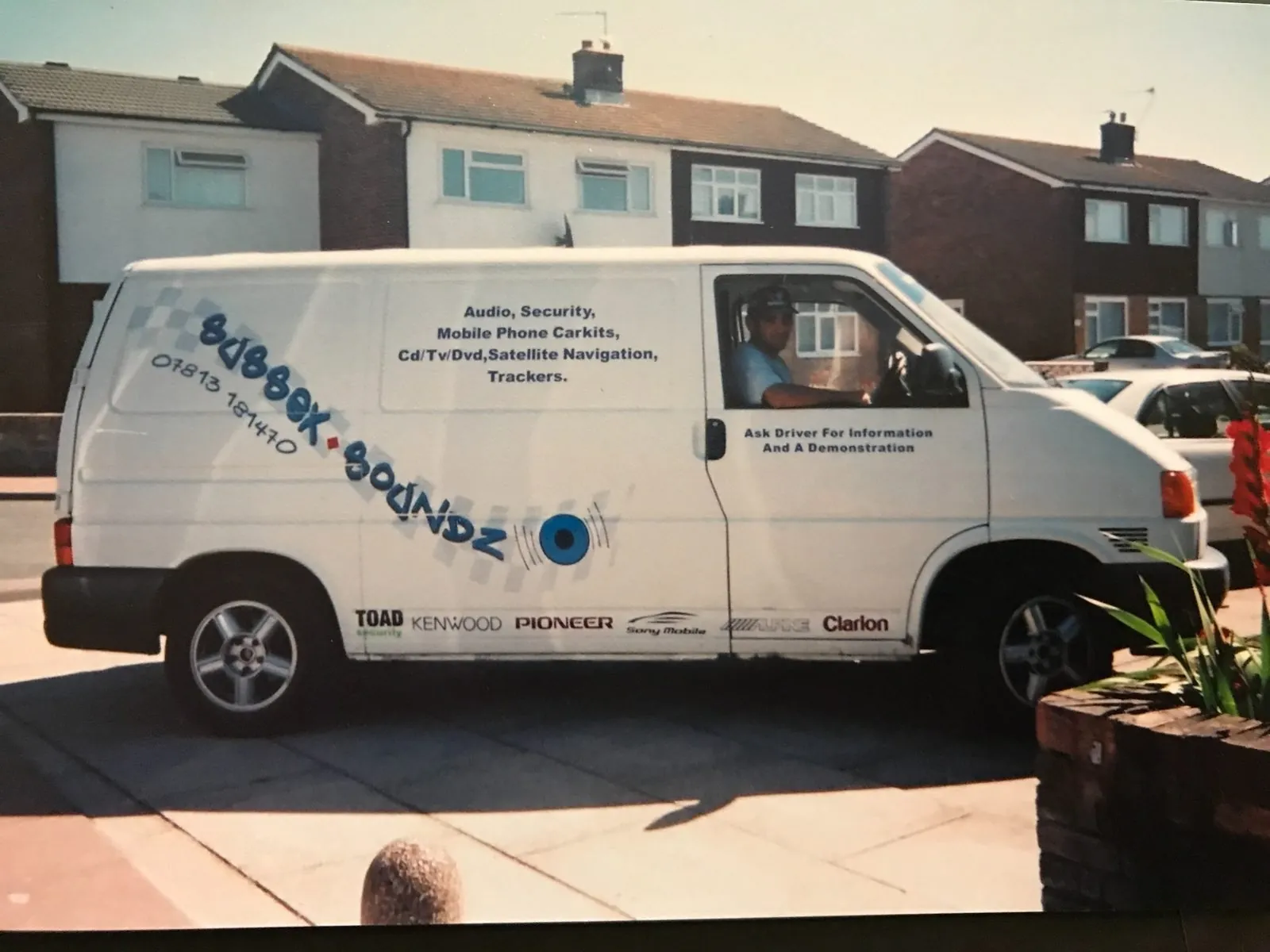
I started the business as Sussex Sounds, providing mobile installation of vehicle audio, vehicle security, satellite navigation and communication systems. Working from home with a single van, I built the business around technical workmanship, exceptional customer service and a willingness to travel throughout the South East to provide customers with professional installations.
Those early years established the values that still underpin Sussex Installations today: doing the job properly, treating customers fairly and continually looking for better ways to deliver quality workmanship.
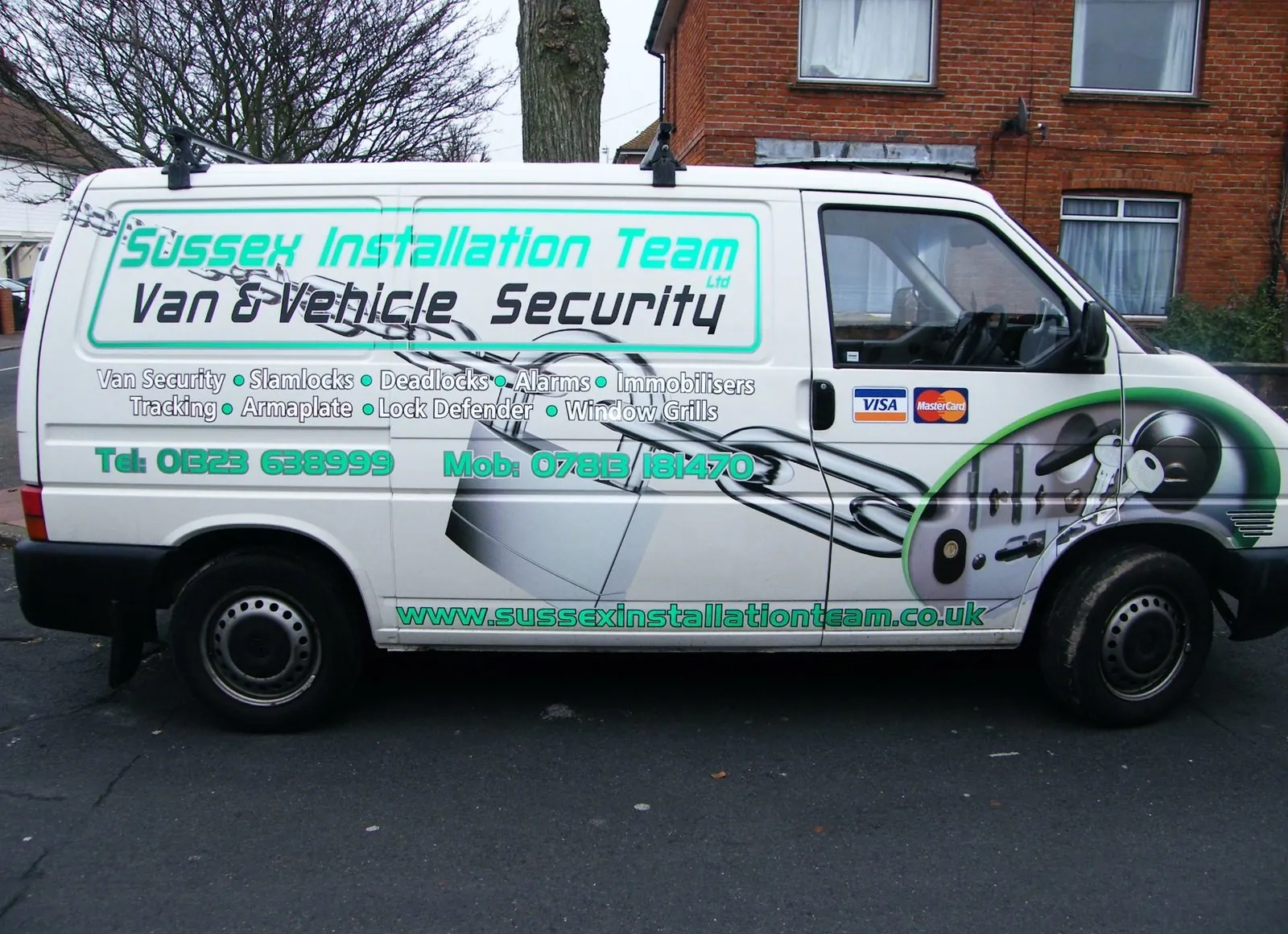
Following the global financial crisis, I anticipated that spending on discretionary vehicle accessories would reduce while van crime could rise. I made the decision to focus increasingly on commercial vehicle security.
I invested time and money in more precise tools, cleaner fitting methods, thorough swarf removal and corrosion protection. The process took longer than common fitting methods at the time, but it produced the quality of installation I believed van owners deserved.
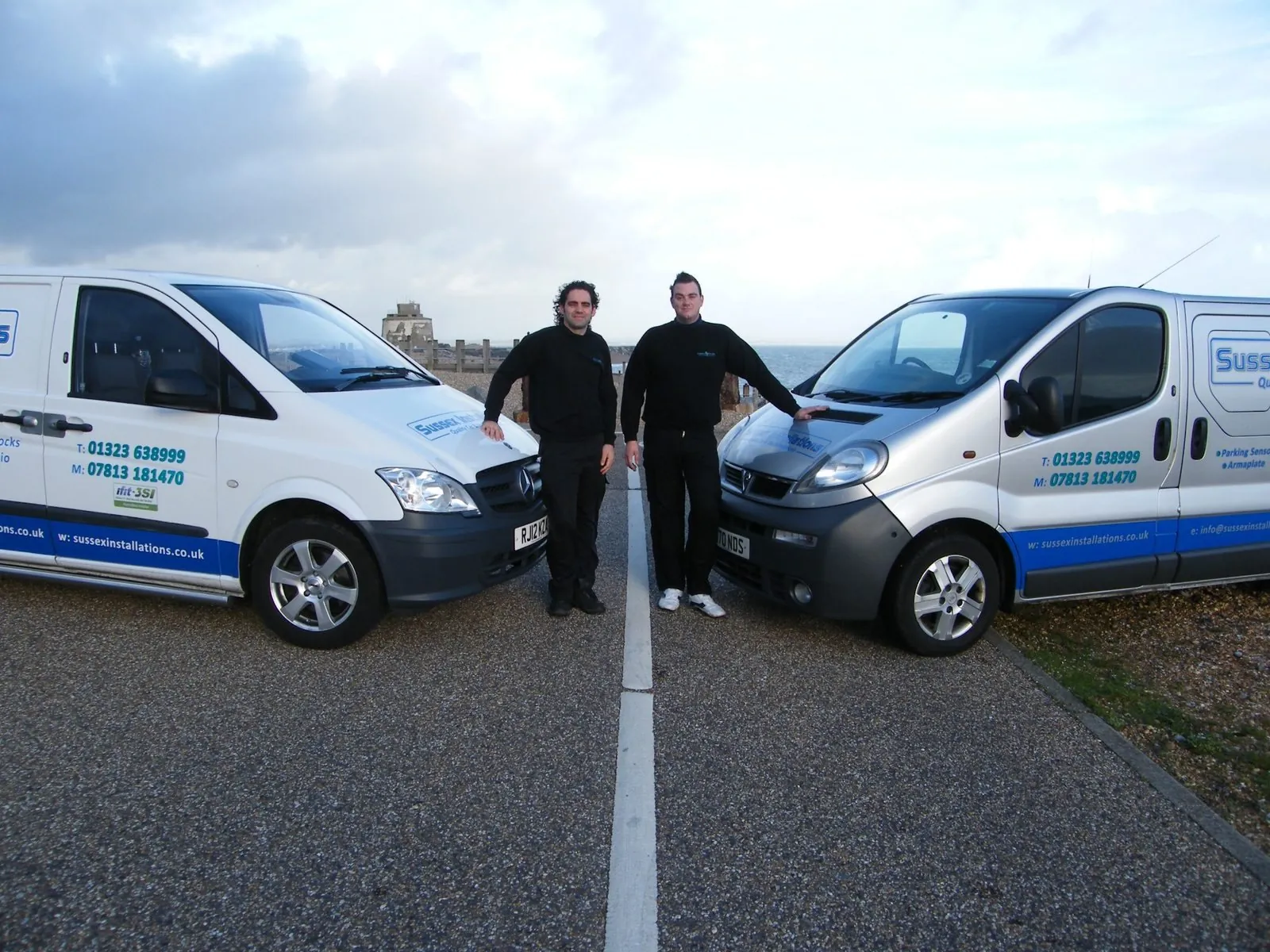
Employing my first member of staff was one of the biggest, most daunting and most difficult steps in expanding the business. It marked the transition from relying entirely on my own work to beginning to build a team capable of delivering the standards and customer experience I wanted every customer to receive.
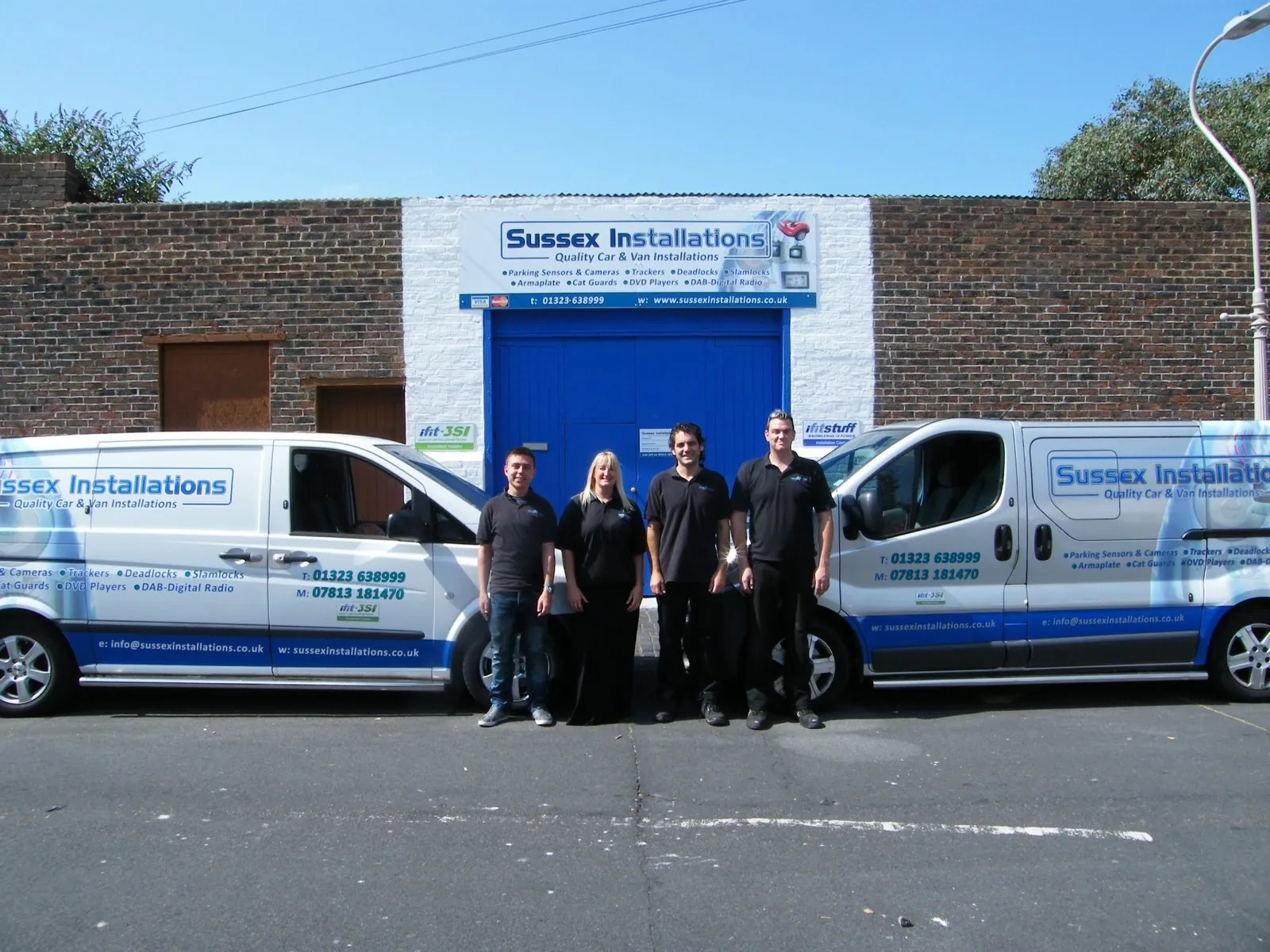
After years of operating from home, we moved into our first dedicated commercial premises. This allowed us to expand our specialist team, improve workflow and increase installation capacity while maintaining the standards the business had become known for.
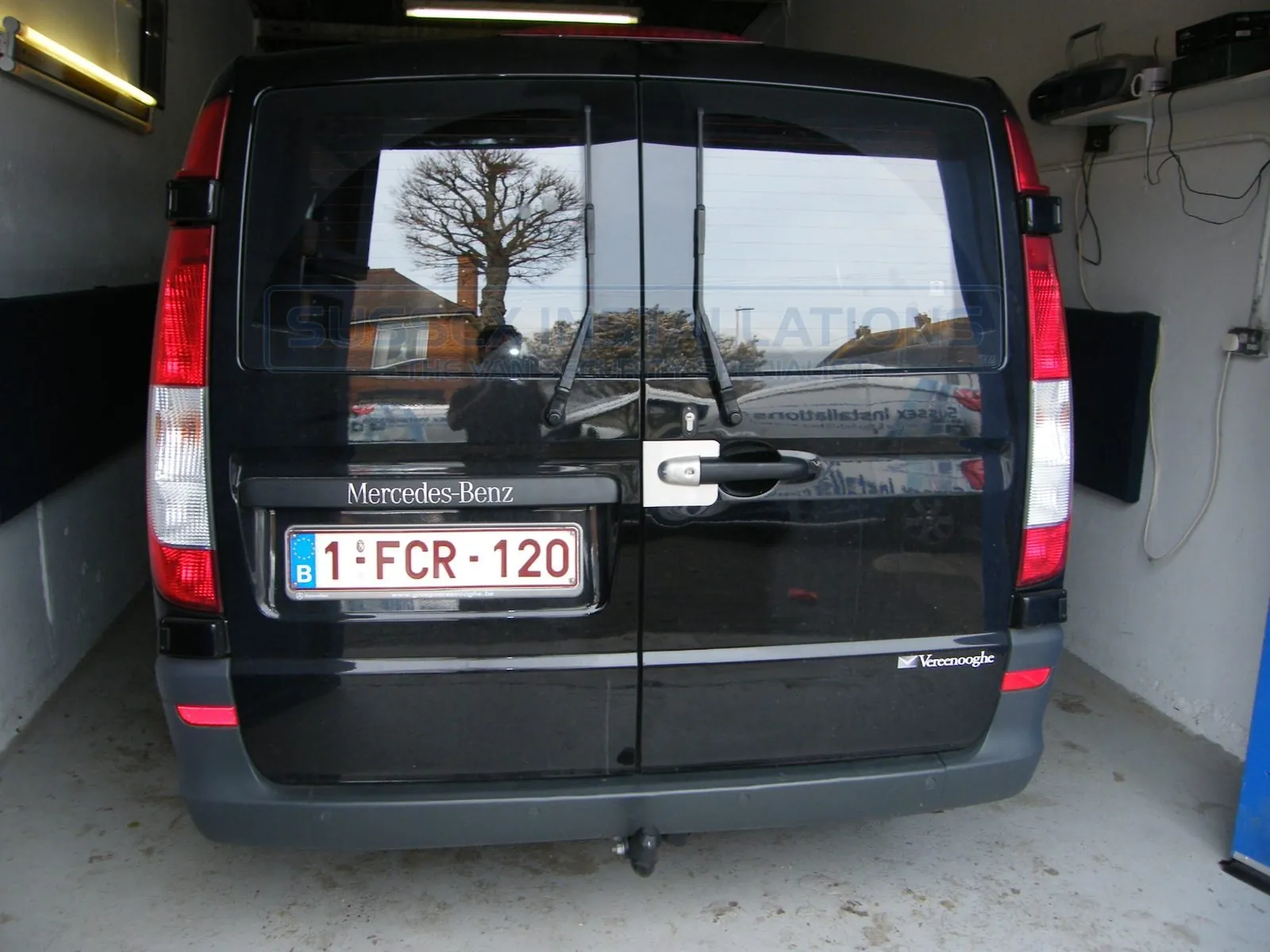
By this point our reputation was spreading well beyond the South East. Customers were travelling from across the UK and increasingly from mainland Europe to have their vans secured by Sussex Installations.
The van owner shown here invented the “day trip drive from Belgium to Sussex Installations”: travelling from Belgium, having us fit his van security and then driving back to Belgium, all in the same day.
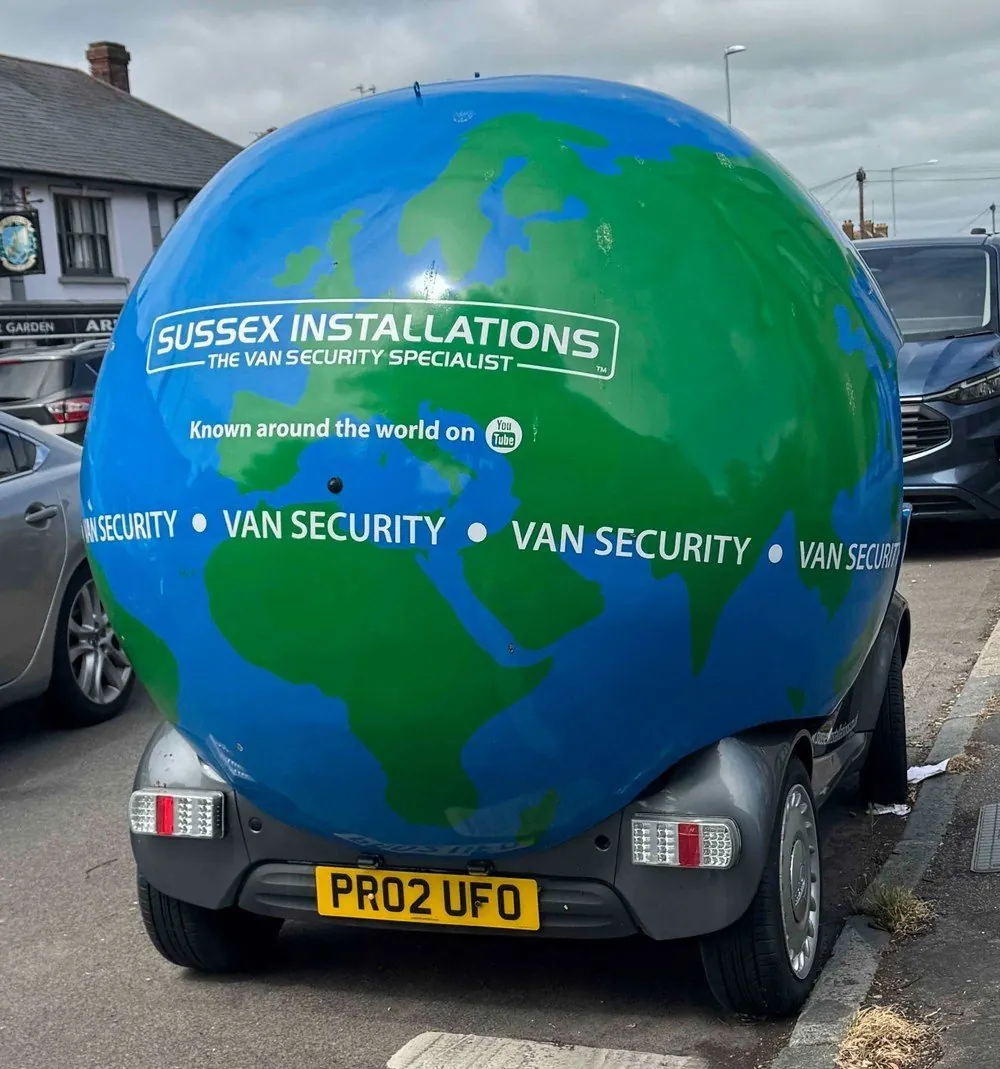
By 2017, customers and viewers were finding Sussex Installations from across the UK and around the world. To celebrate our growing international recognition as The Van Security Specialist, we created a one-of-a-kind promotional vehicle shaped and painted as a globe.
We named the car Orbee. It became a fun and memorable way to represent how far the Sussex Installations name and our van-security videos had travelled beyond Eastbourne.
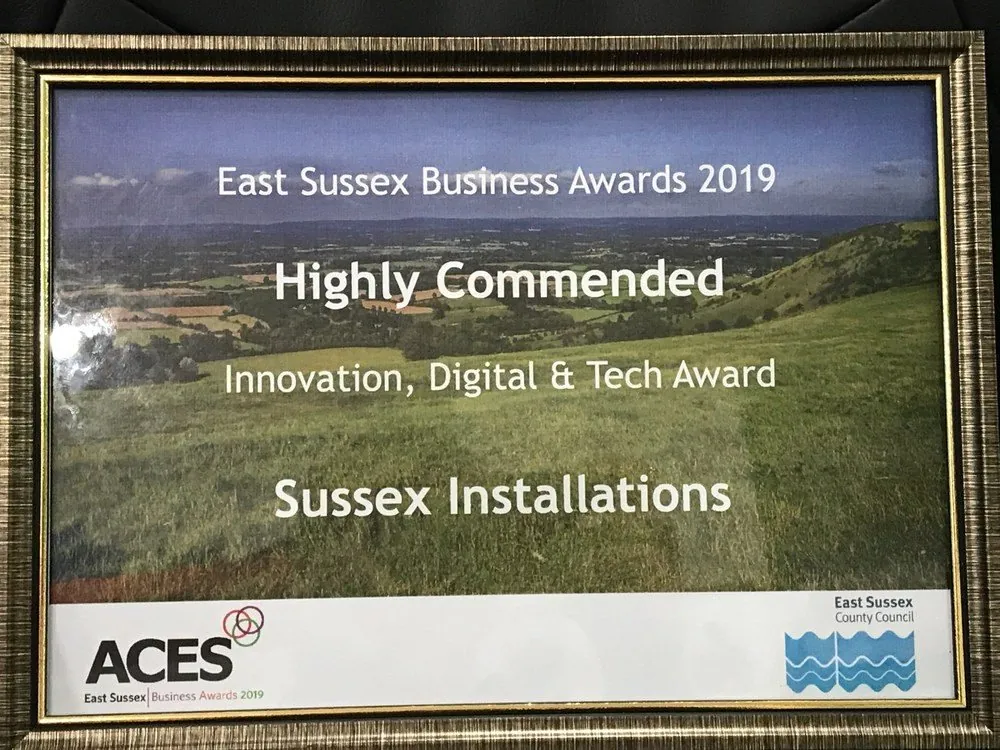
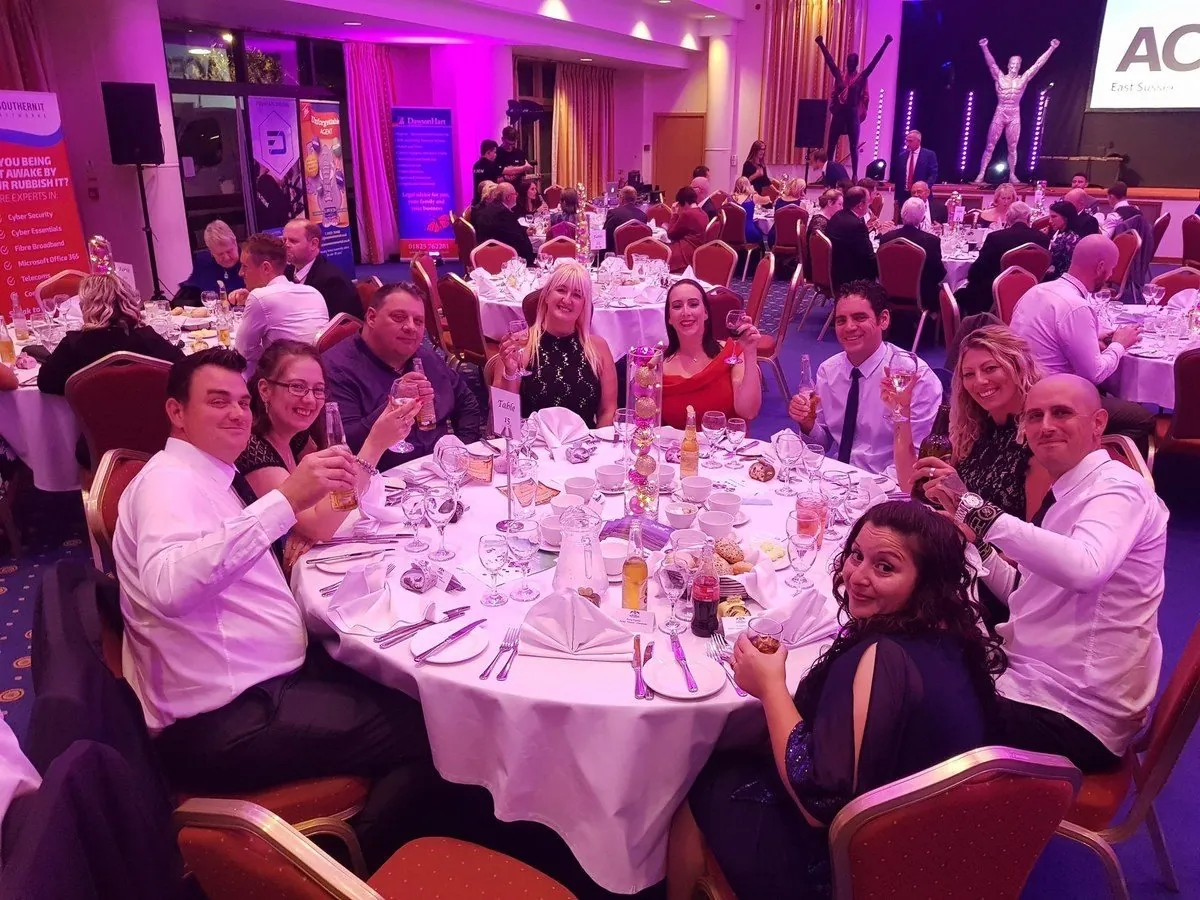
Sussex Installations was awarded Highly Commended in the Innovation, Digital & Tech Award category at the East Sussex Business Awards.
By this point, the business had evolved beyond vehicle-security installation into software development, mobile apps, technical databases, online education and increasingly ambitious product-development work.
It was encouraging to see that journey recognised by an independent judging panel and it reinforced my belief that continual innovation should remain one of the foundations of Sussex Installations.
East Sussex Business Awards 2019: Highly Commended — Innovation, Digital & Tech Award.
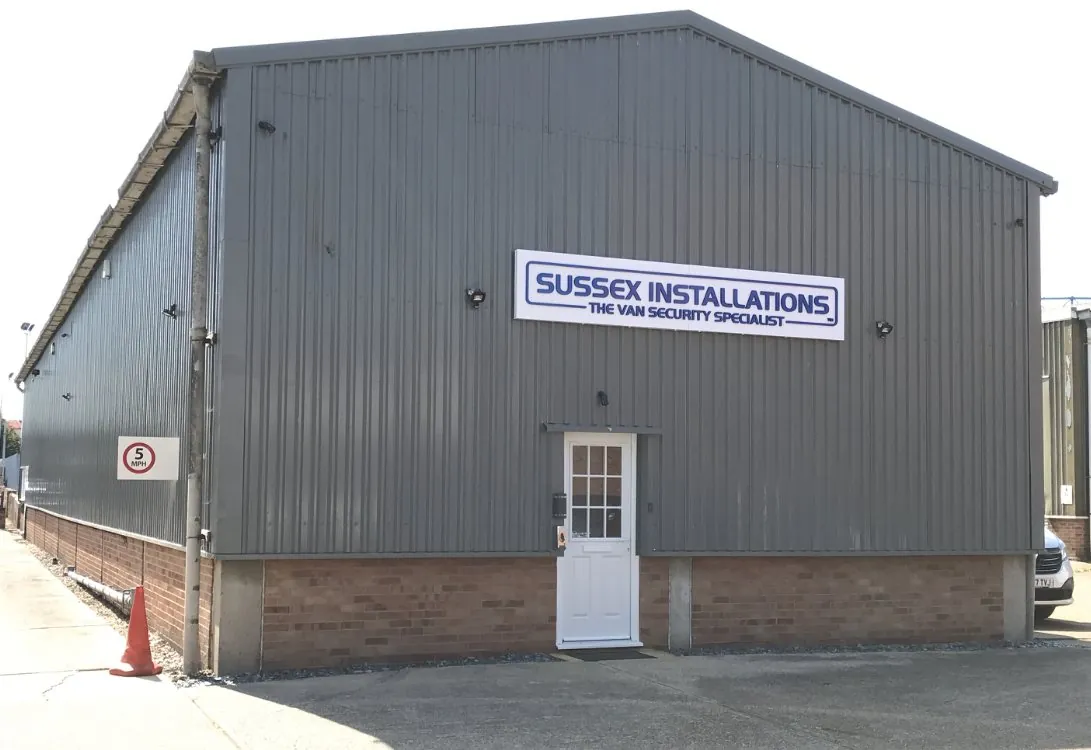
During the uncertainty of the COVID period, I purchased and redeveloped our current industrial premises. Rather than standing still, we invested for long-term growth by creating offices, a larger workshop, an innovation centre and the infrastructure needed for in-house manufacturing.
This also marked the beginning of formally building and registering our intellectual property portfolio.
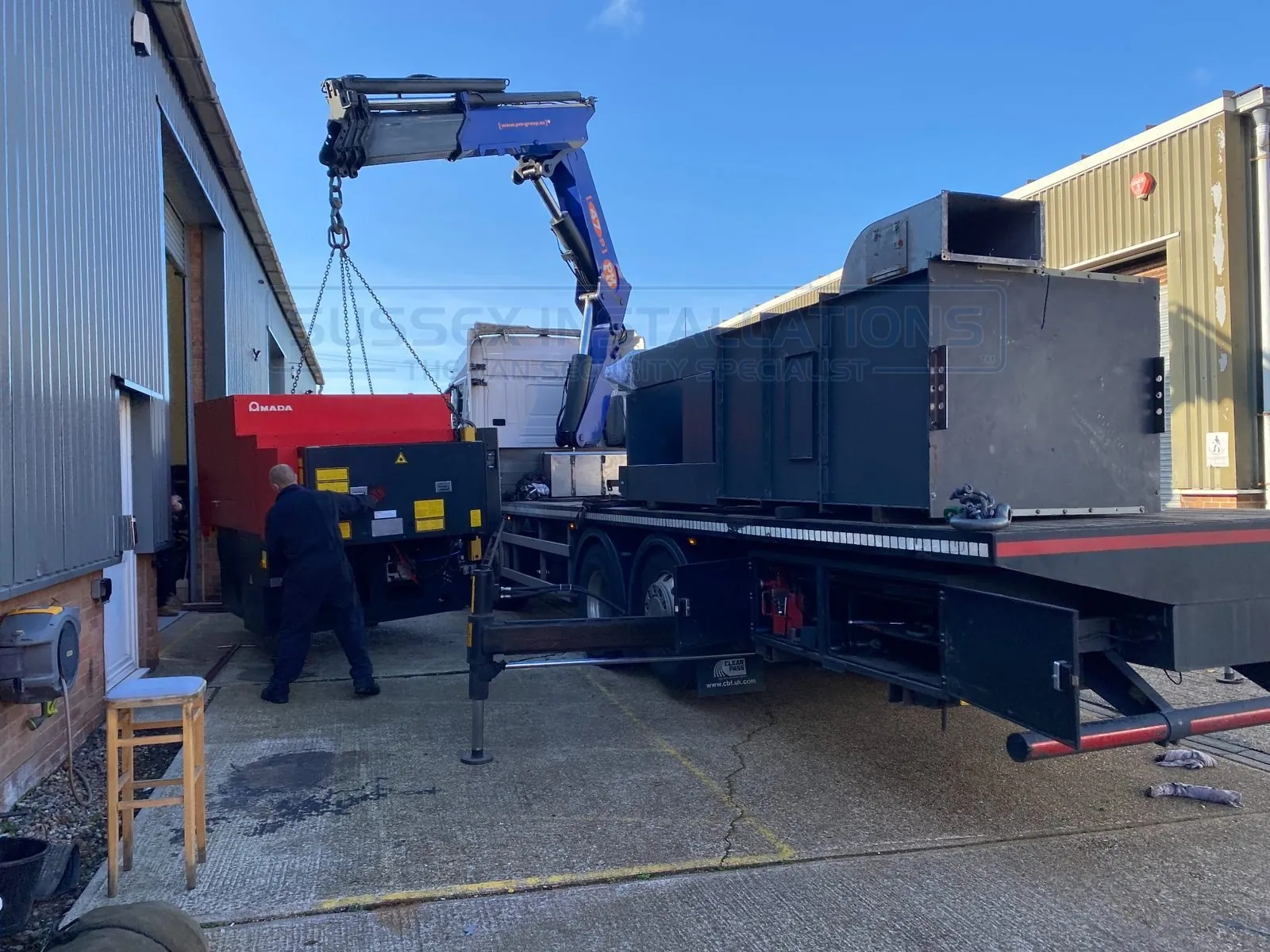
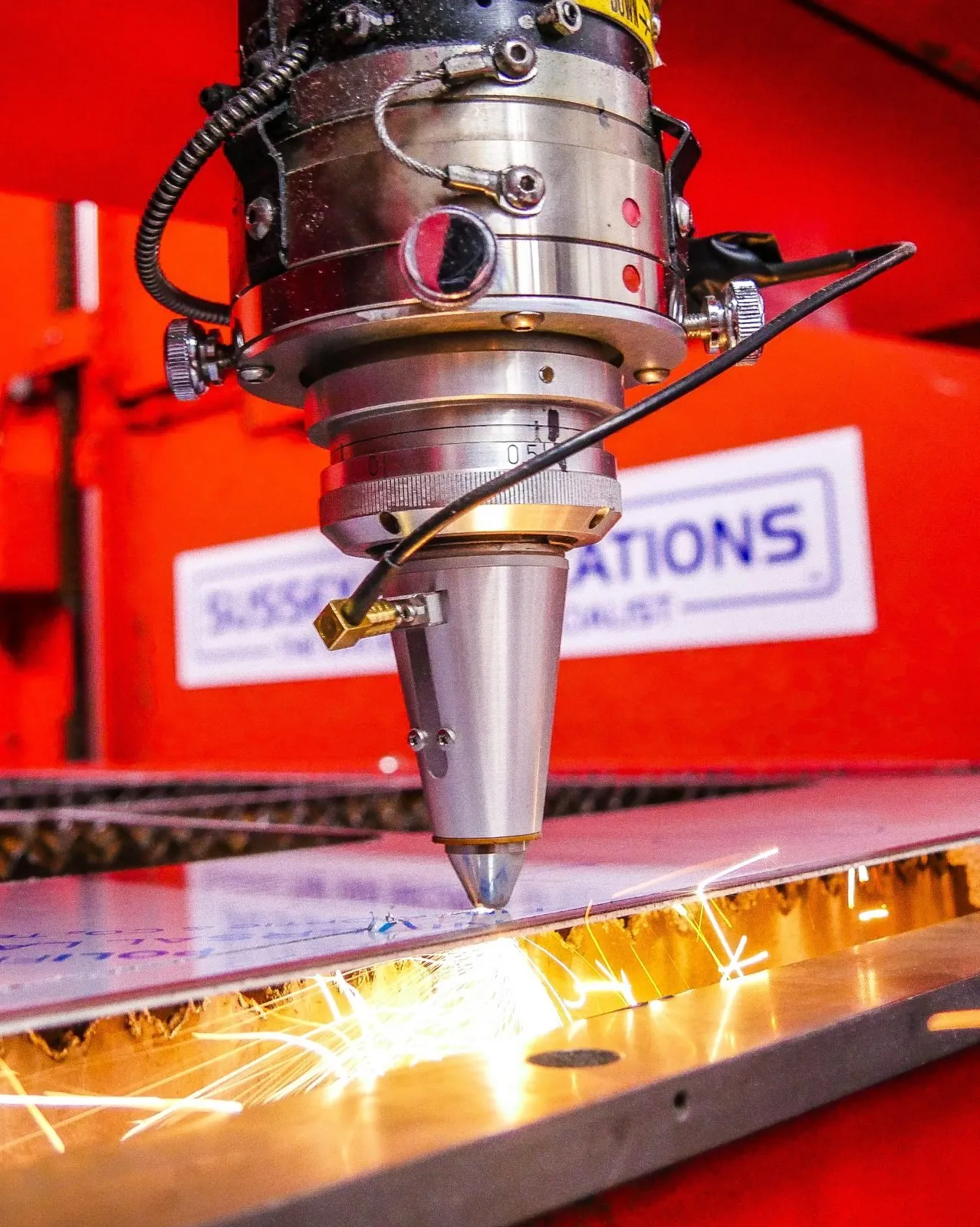
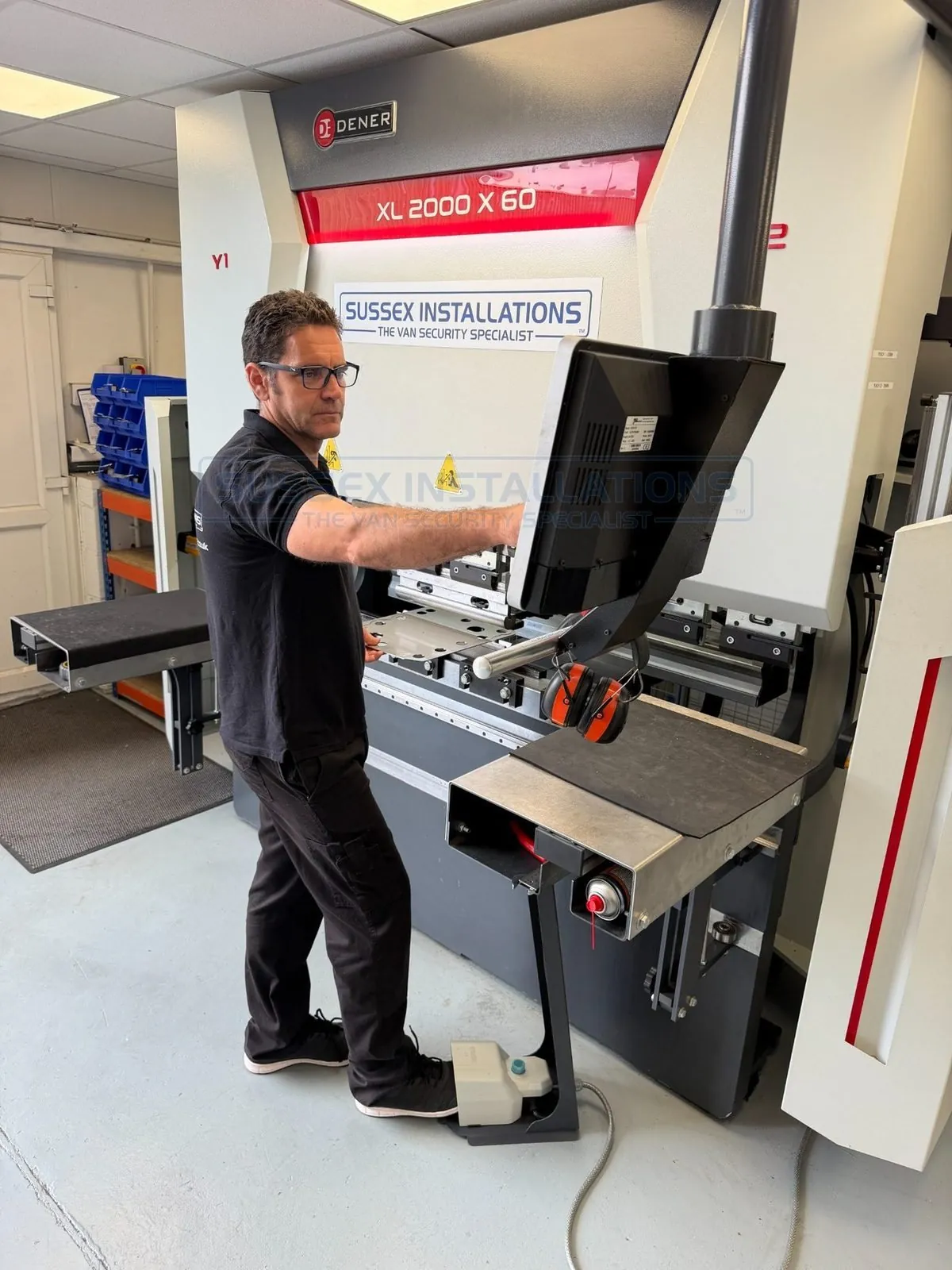
We invested in CNC fibre laser cutting and CNC press-brake technology, allowing us to design, prototype and manufacture products in-house.
To make that investment work, I had to learn to become a laser-machine operator and press-brake operator. I also researched, purchased and learned to use other manufacturing equipment and methods, including stud welding and spot welding.
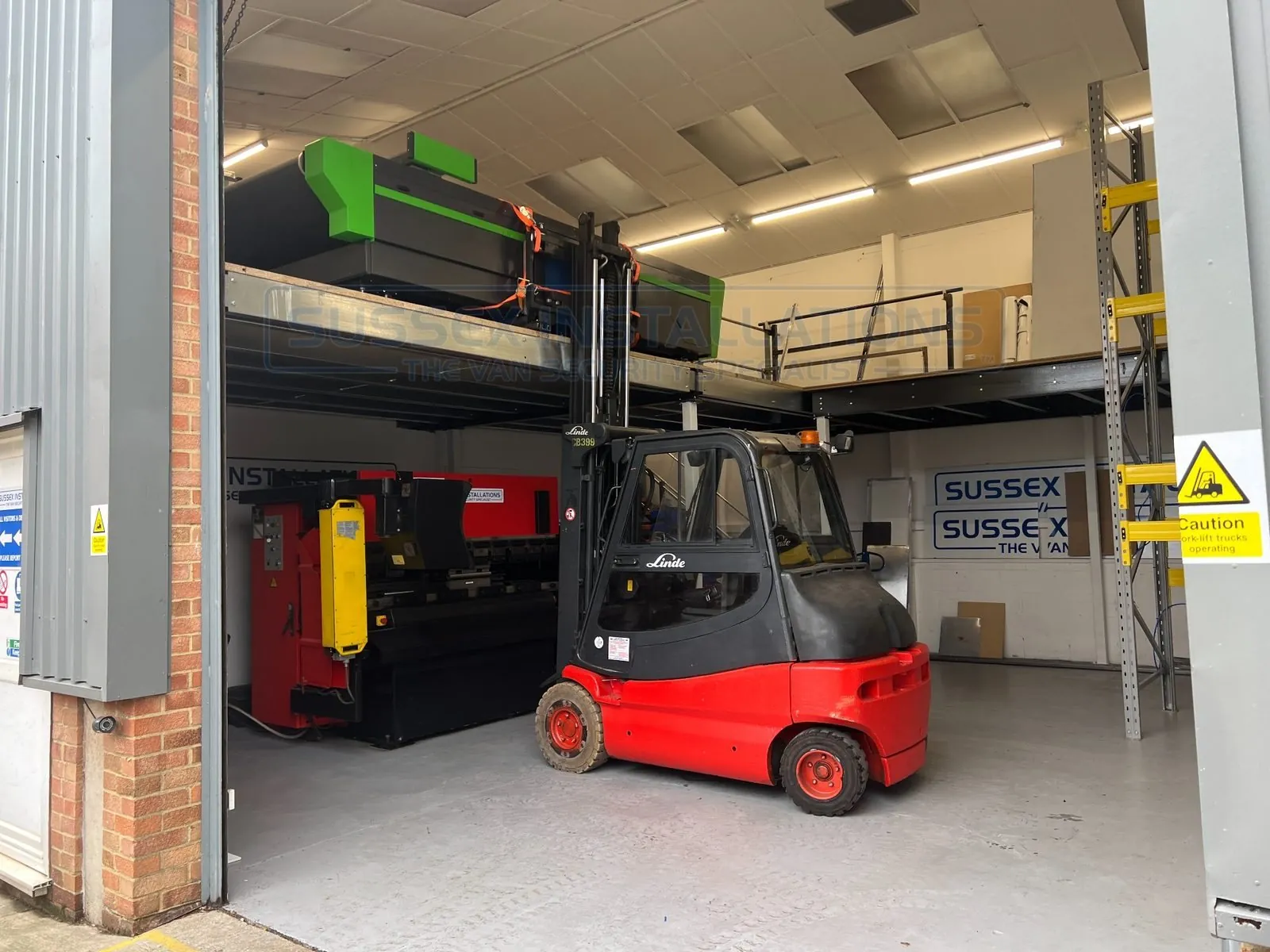
We introduced dedicated CNC gasket manufacturing so that another important component could be designed, refined and produced under our own control.
A creative use of space: by then we had filled the premises with offices, warehouse space, metalworking areas and machinery — so much so that there was barely any room left to fit a van. We had to be creative with the space available to fit everything in.
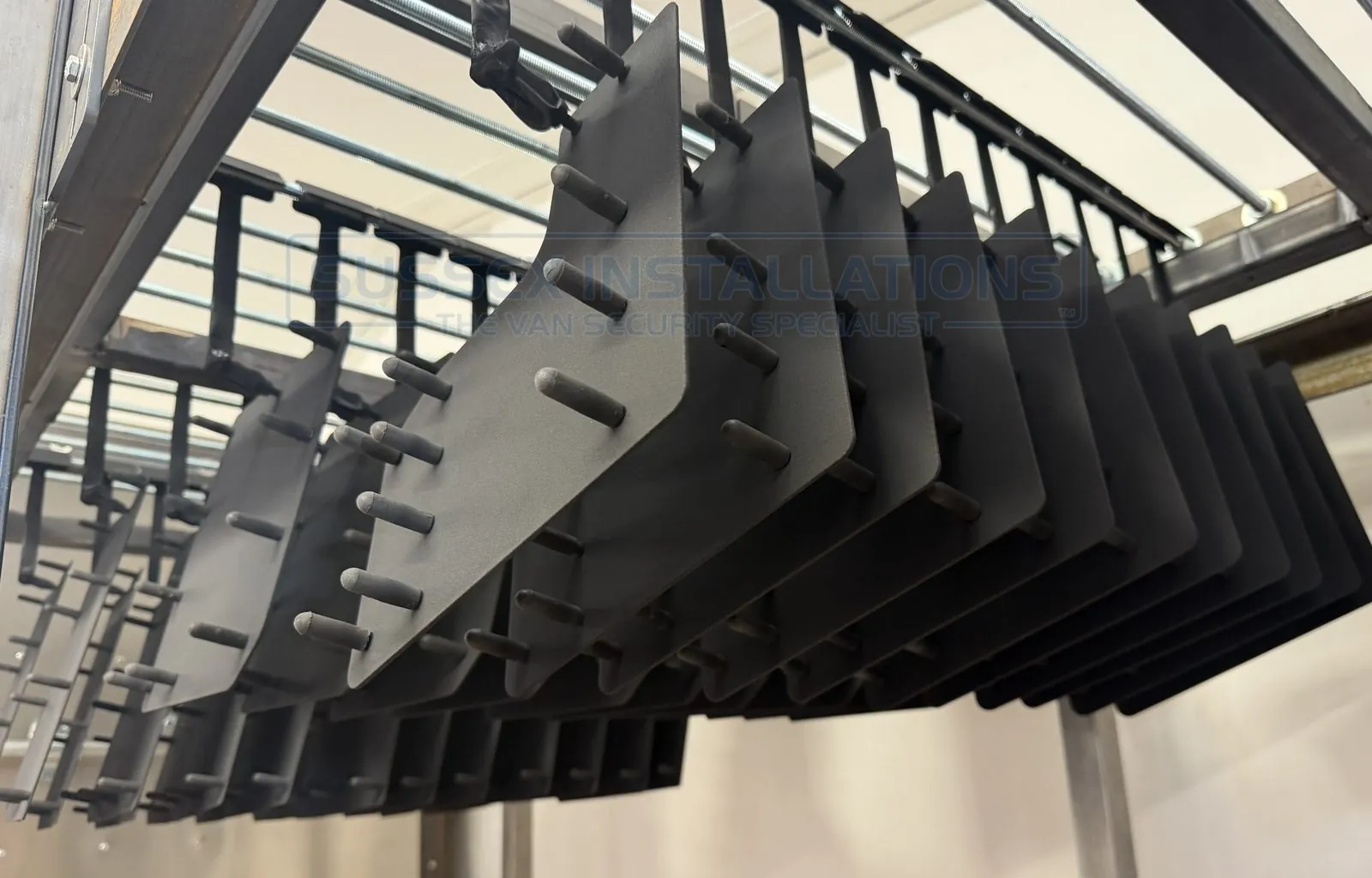
Most ready-made powder-coating plants are huge and intended for large objects such as iron gates. I decided that I would have to design and build the entire setup from scratch to make it suitable for powder coating the shields we manufacture, while reducing the footprint and space required.
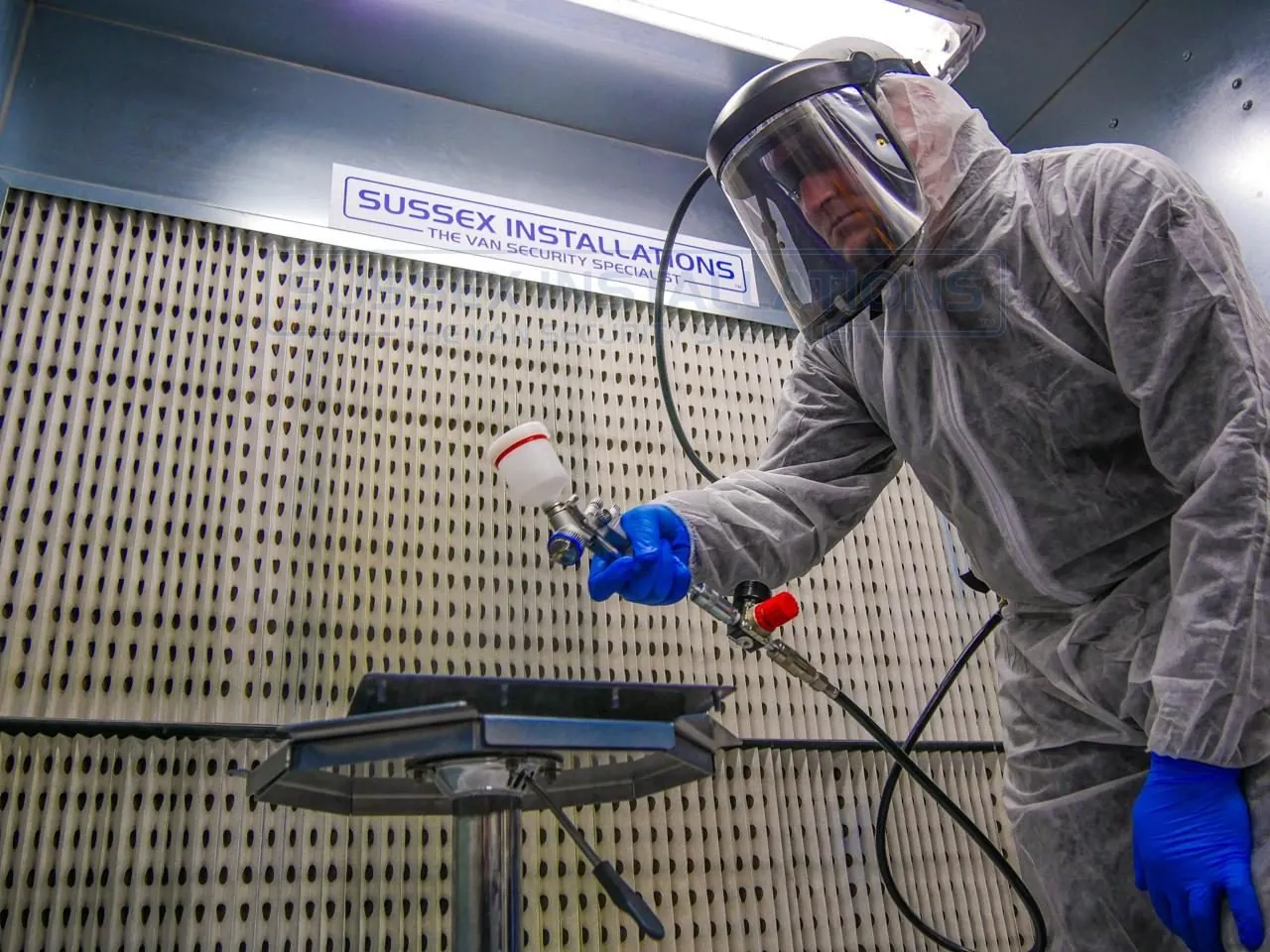
When I fitted parking sensors around 2005, they were nearly always black regardless of the bumper colour. Eventually colour-coded parking sensors became the choice for most owners whose bumpers were not black.
It seemed inevitable to me that the same would happen with security shields, so I wanted to get ahead of the market and become the first shield manufacturer to offer in-house colour coding of shields.
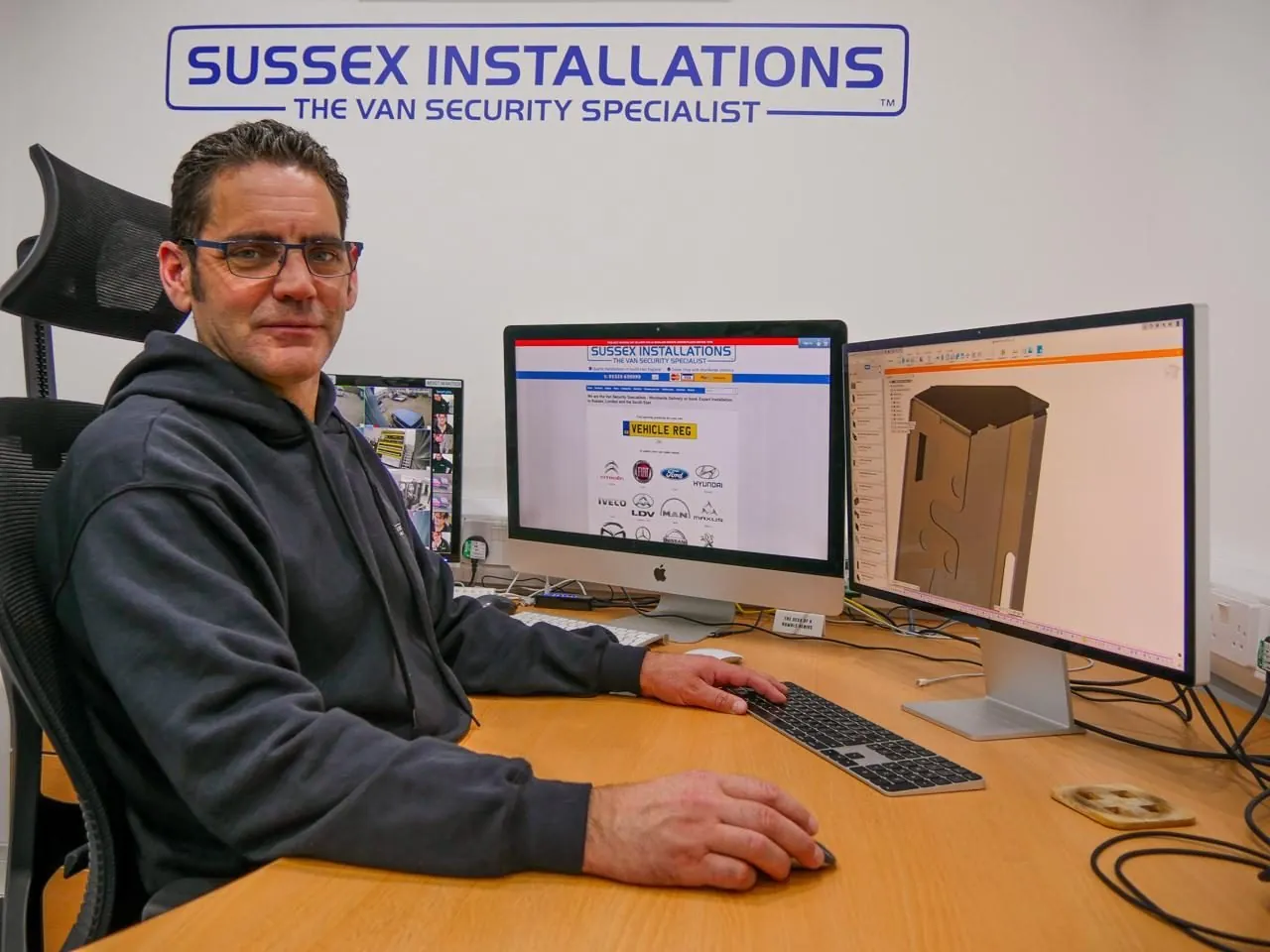
More than twenty years after starting as a mobile installer, Sussex Installations had evolved into a business that designs, prototypes, laser cuts, bends, welds, gasket manufactures, powder coats, colour matches, assembles and professionally installs many of the products we manufacture.
Every stage — from identifying an emerging attack method to designing, manufacturing and fitting the finished solution — can take place under one roof.
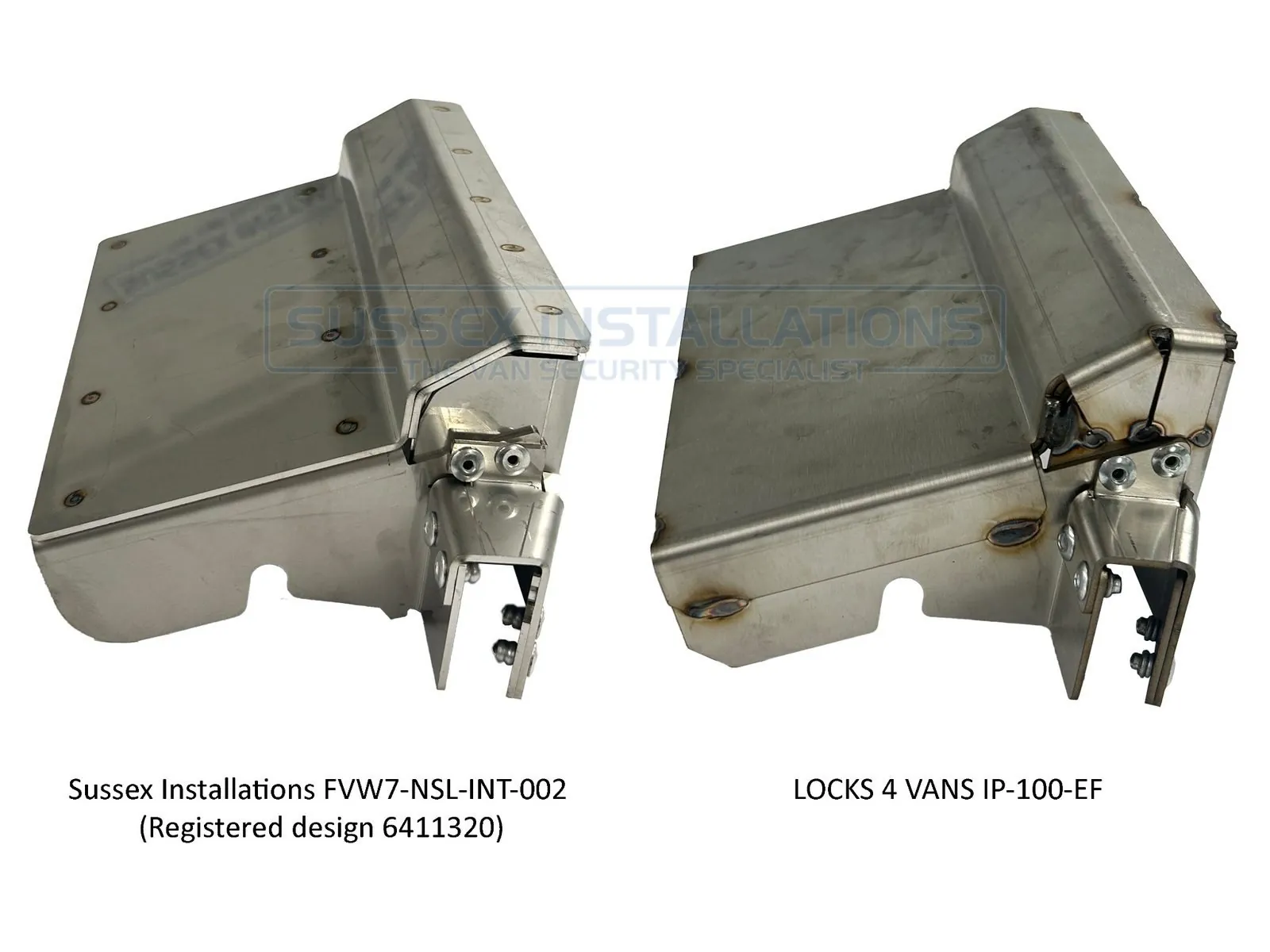
One of the realities of developing genuinely innovative products is that successful ideas rarely remain unique forever.
This image compares one of my registered designs with a product that later appeared on the market. Both products are shown using their product identifiers so readers can make their own observations.
For me, this was not the end of the story — it reinforced the importance of continuing to innovate rather than standing still. The greatest protection for any innovative business is not simply intellectual property; it is continually moving forward with the next generation of ideas.
Comparison of products shown using their respective manufacturer part numbers.
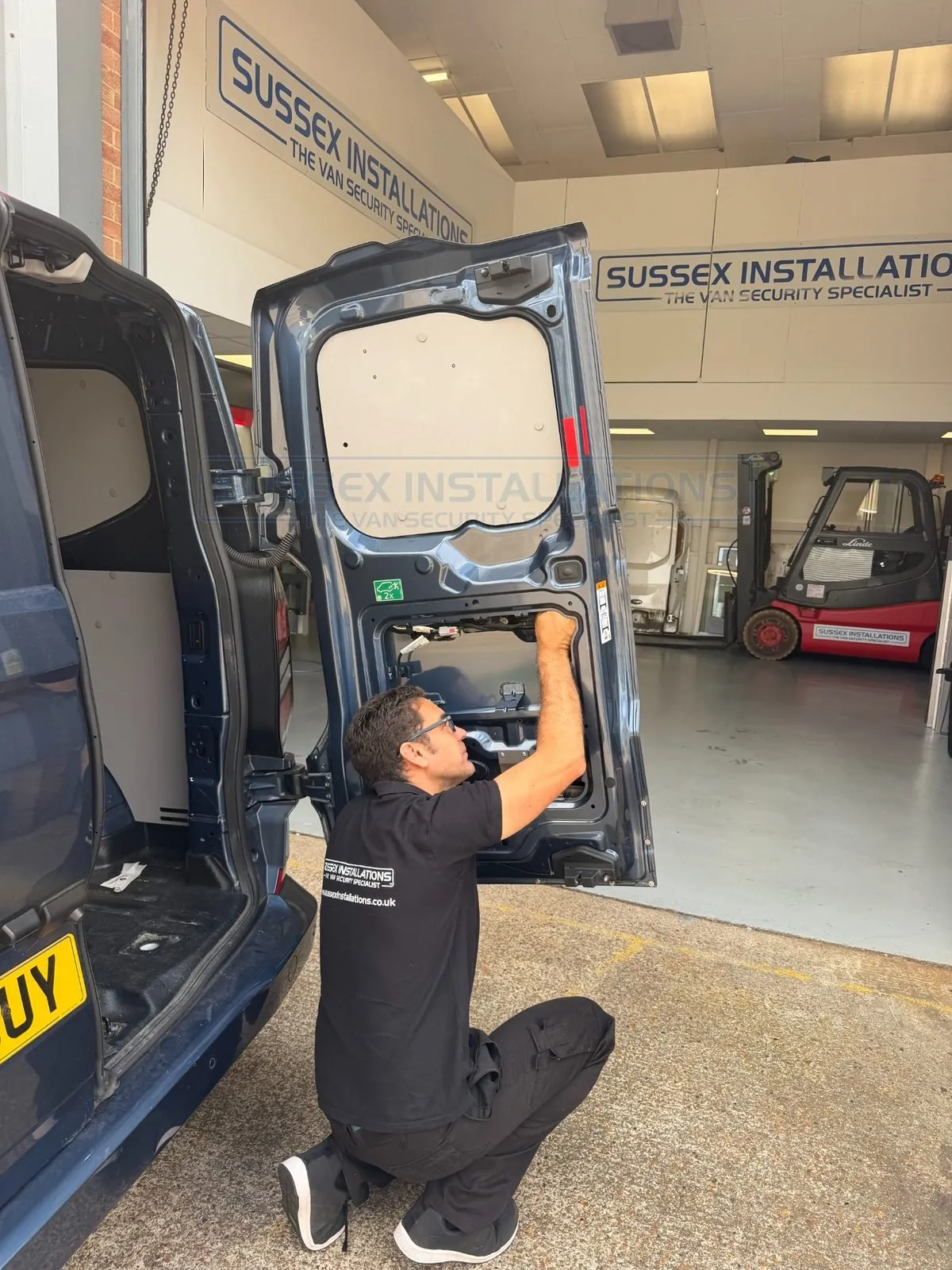
Although Sussex Installations has grown into a specialist manufacturing business with a strong team around me, I still spend time where I enjoy it most — working directly on vehicles, analysing new security threats and developing better solutions.
The combination of hands-on installation experience, product design, manufacturing and continuous learning remains at the heart of how I approach vehicle security today.
I have appeared on the BBC discussing van crime, commercial vehicle vulnerabilities and practical security measures for tradespeople and van owners.
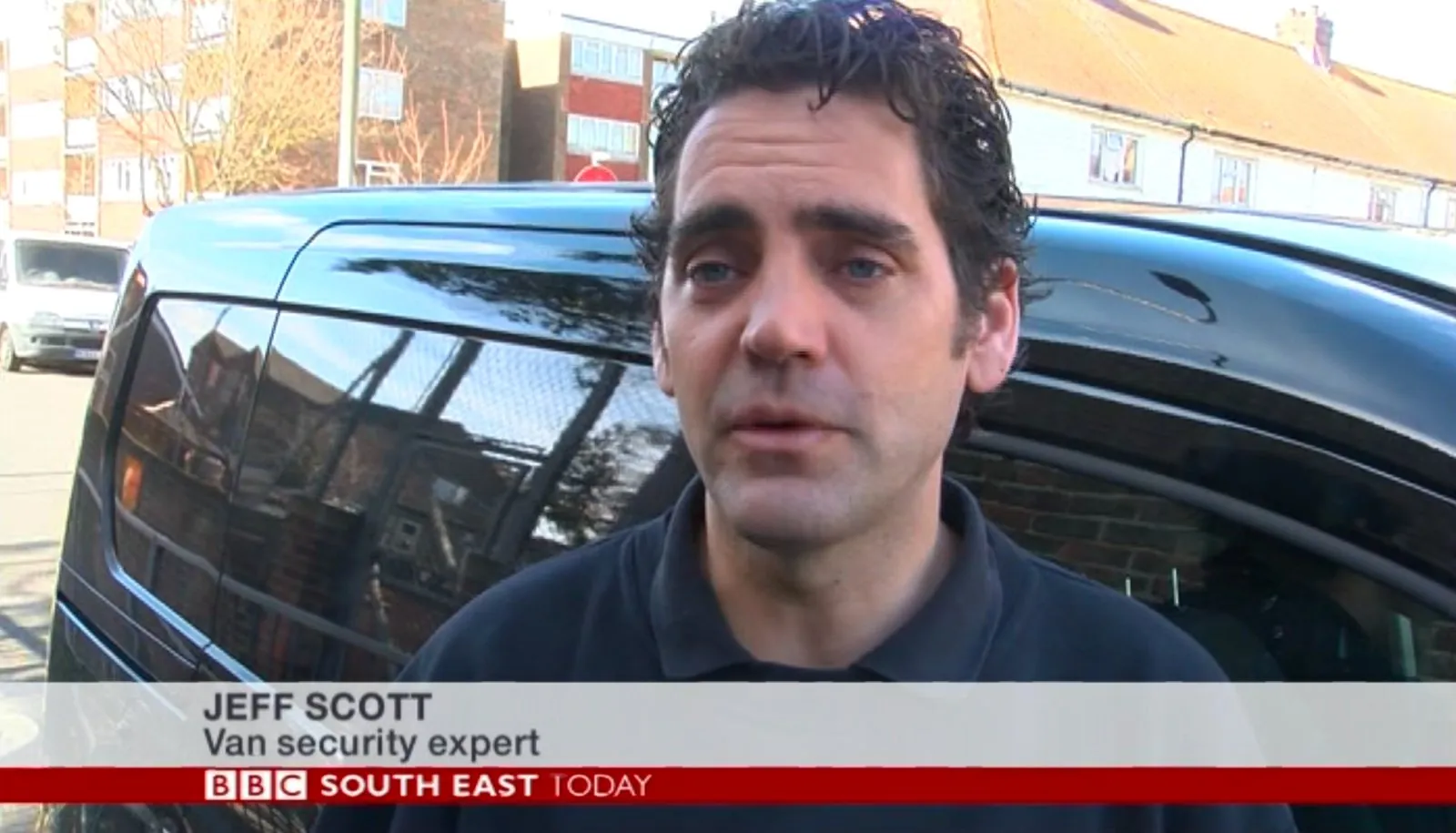
I have contributed to programmes serving the construction and trade industries, discussing tool theft, van crime and practical layered security.
My van security expertise has been featured by Roger Bisby on the Skill Builder channel.
I have also appeared on the Thomas Nagy Electrician channel discussing van security, product design and protecting tools from theft.
Across television, radio, social media and the Sussex Installations YouTube channel, I have tried to help vehicle owners understand changing crime methods and make better-informed security decisions.
I developed ifitstuff as a specialist technical resource with bespoke industry software and business support systems for vehicle security, accessory and technology installers.
I have spoken at FCS FITAS events to promote higher-quality vehicle installations, safer working practices and better technical standards across the installation industry.
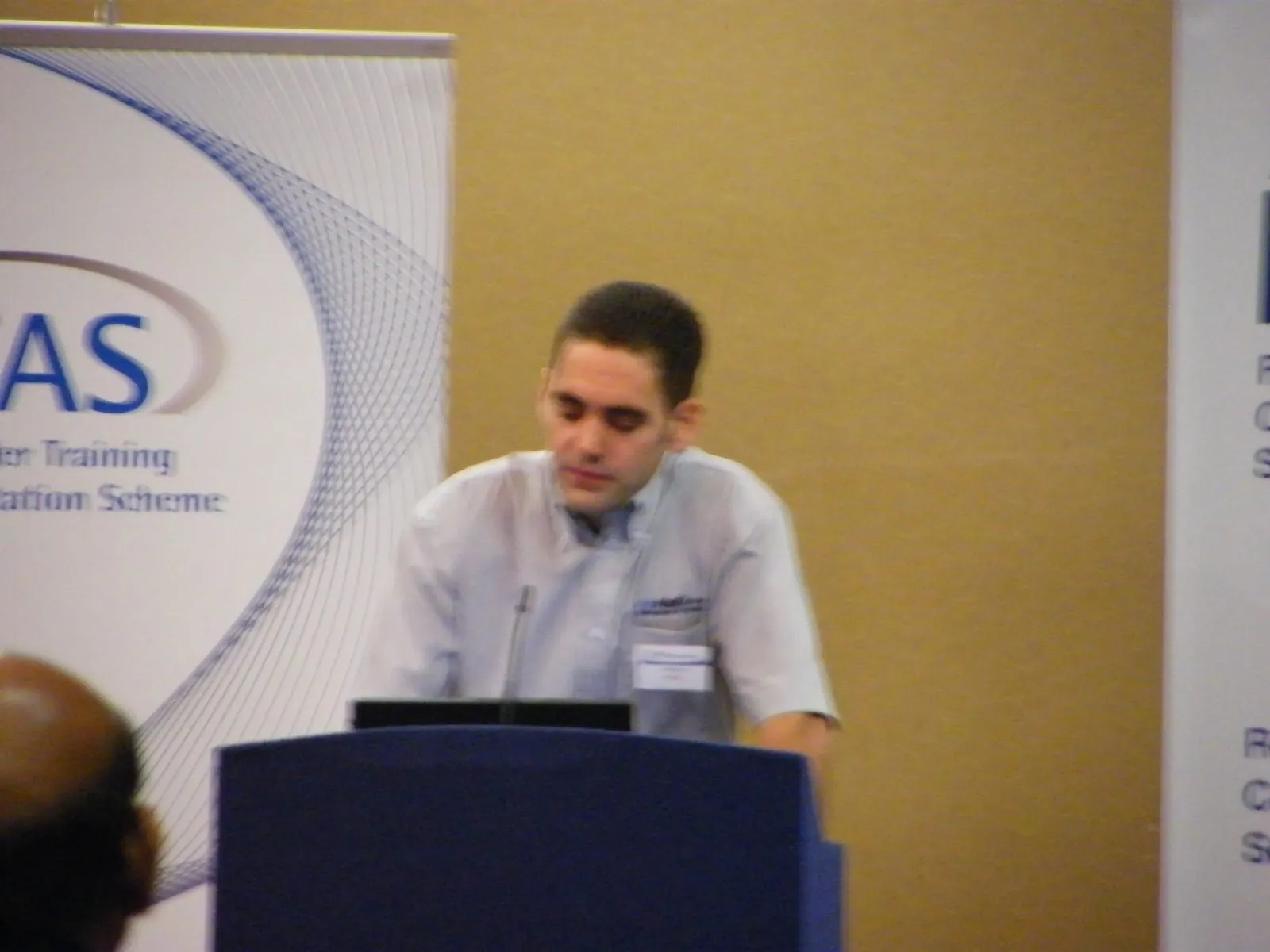
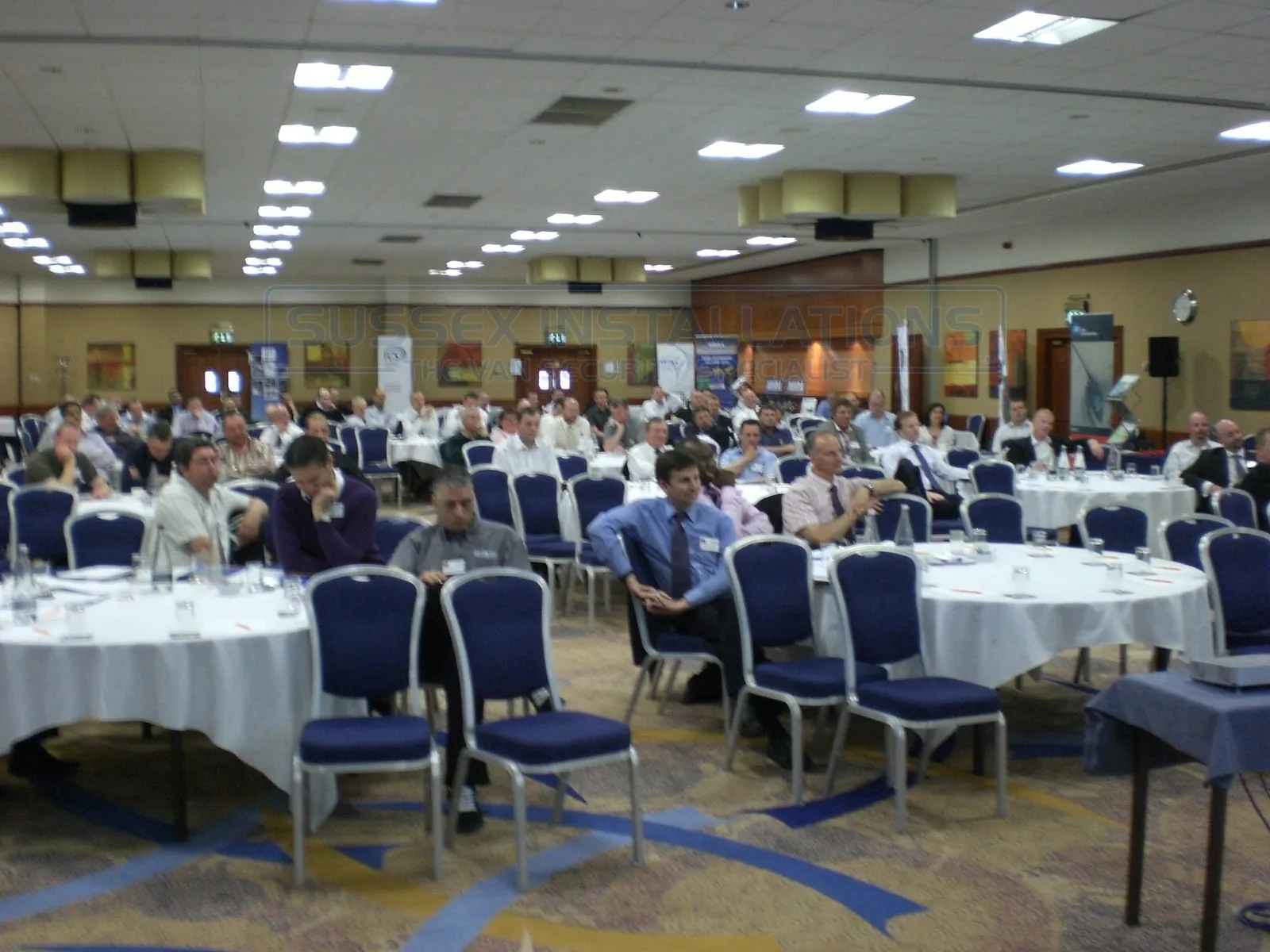
I contributed practical installation knowledge as a member of the SMMT workgroup for digital radio, helping bring an installer’s perspective to vehicle integration and industry discussion.
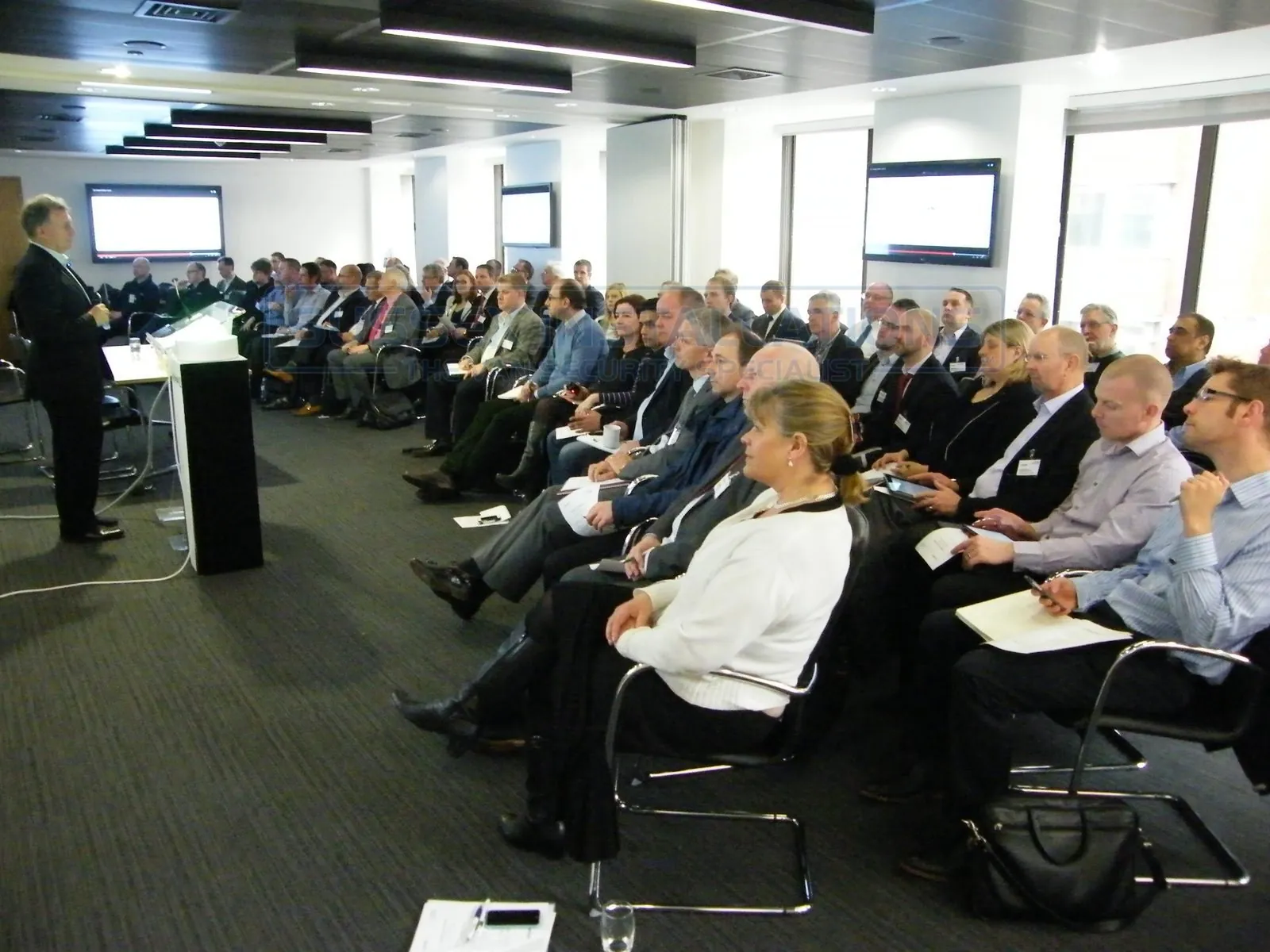
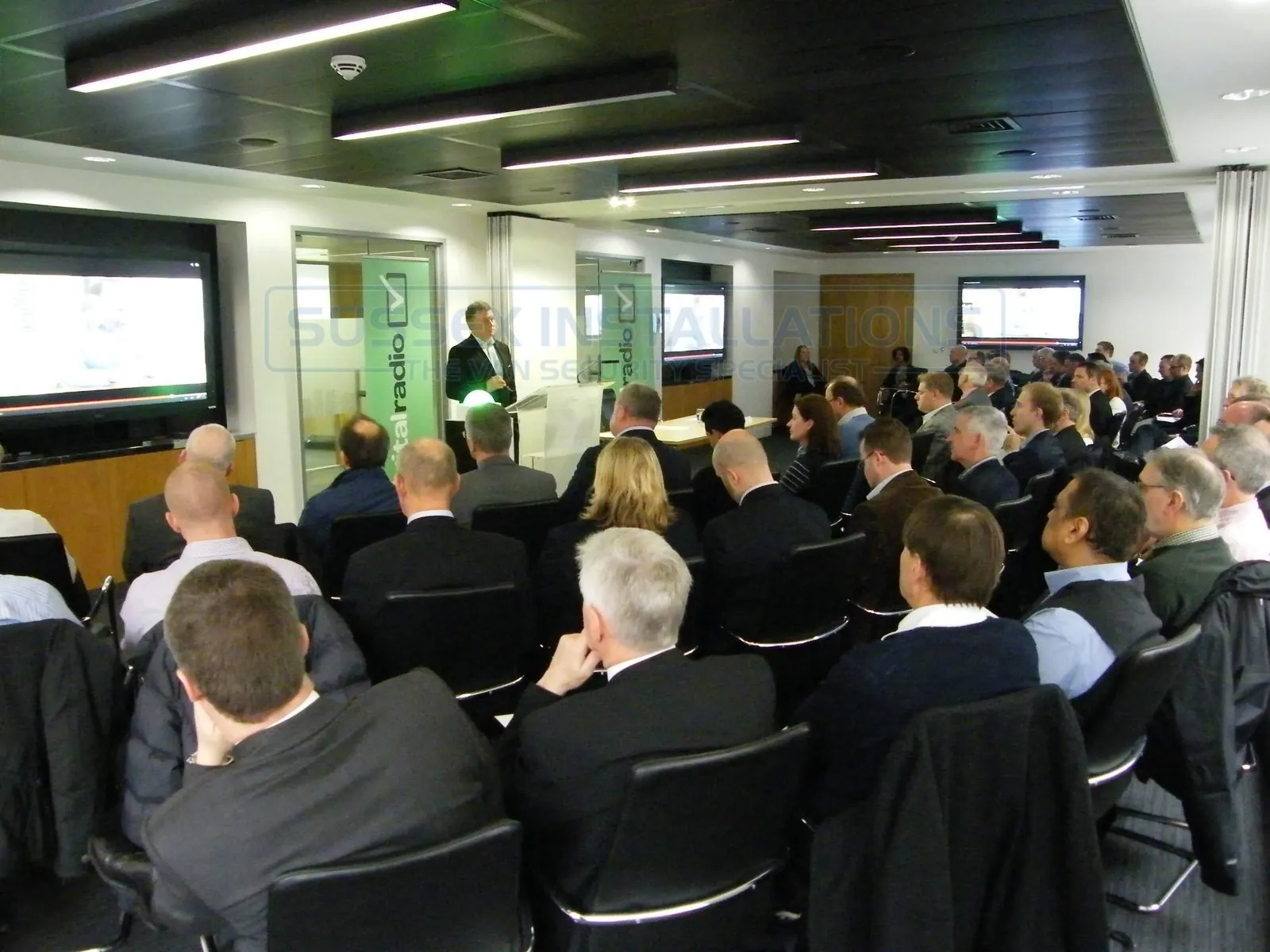
I authored the 82-page ifit-3SI — Safe, Secure and Sustainable Installations document to promote better-quality vehicle installations and improve safety, security and long-term sustainability across the industry.

The document was intended to become more than technical guidance. My vision was a national network of independently owned installation businesses approved to a consistent standard for workmanship, technical knowledge, professional service and customer experience.
Applicants were expected to study the document, demonstrate their understanding through an assessment I created and contribute a modest annual fee towards administering the scheme. A small proportion were willing to invest the study time, and another small proportion were willing to pay the fee, but only a very small number were prepared to do both.
The vehicle aftermarket is highly fragmented. I eventually concluded that I could not responsibly recommend a national network unless I had confidence that every participating business consistently reflected the values behind the standard.
Rather than reducing the requirements to increase participation, I focused more of my energy on building Sussex Installation Team Ltd as the organisation I could personally recommend — with direct influence over recruitment, training, tooling, workmanship, product design, communication, quality control and aftercare.
I have designed external and internal protection for vulnerable areas of commercial vehicle doors, using installation experience to make products effective and practical to fit.
Internal shield and trap systems have been developed to provide additional protection behind the vehicle’s original exterior panels.
I developed a triple-layer internal latch shield with a cable-exit shield appendage designed to help deflect attacks away from vulnerable latch and cable areas.
We launched a new range of dual-adhesive, stick-on security shields under our registered EASYFIX trademark. The range incorporates patent-pending technology intended to provide immediate positioning together with a durable curable bond.
We launched patent-pending anti-cut-around devices under the Stealth name. The designs include anti-cut wings, and the Stealth Trap Anchor adds a connection to the internal structure of the door.
Following our move to larger premises in 2020, Sussex Installations expanded its ability to design, prototype and manufacture security products in-house.
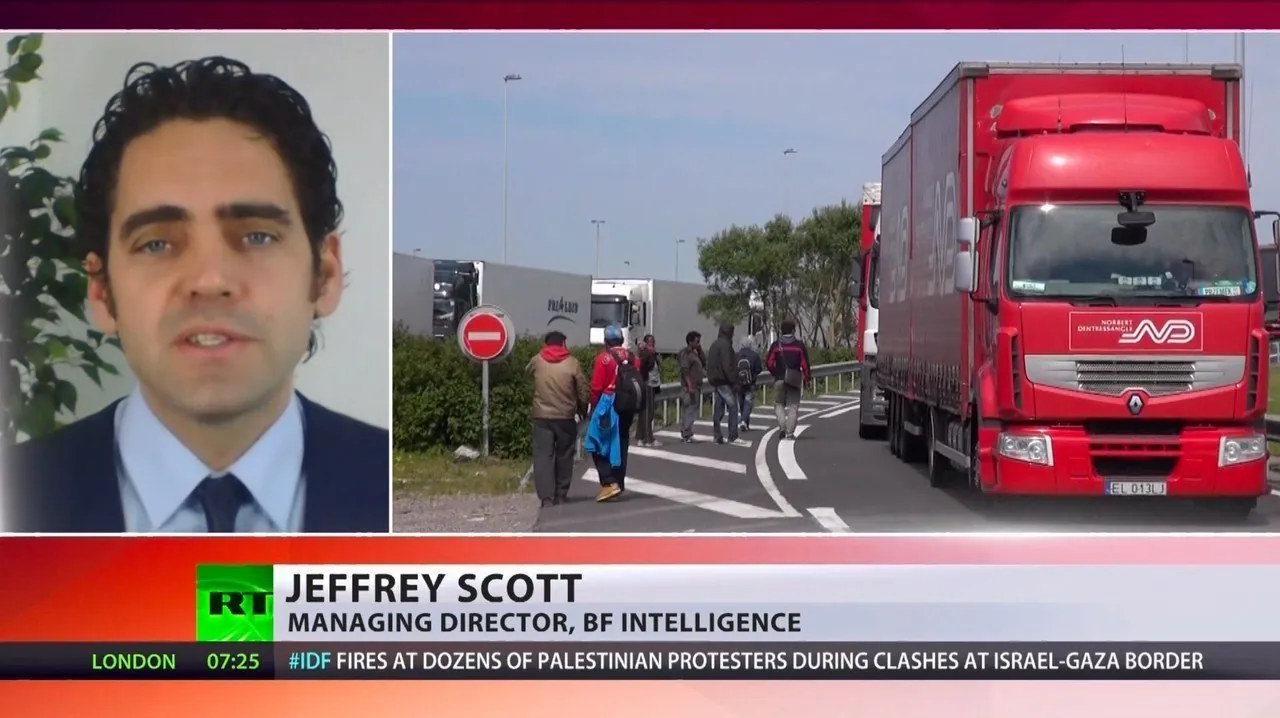
In November 2014, I attended a UK Home Office industry presentation about funding new technology to help UK Border Force detect clandestine entrants travelling into the UK in lorries. I attended because of my experience in vehicle security and CCTV, but I left with a different idea: a mobile app through which lorry drivers could help protect one another by reporting incidents when they saw someone entering another lorry.
I did not receive development funding, so I funded the project myself. Version 1.0 of BF Intelligence was released on the Apple App Store on 2 September 2015 and received local, national and international coverage. I was invited to present the concept to Border Force officials and initially invited to an international vehicle summit in Brussels. The project then ended abruptly, leaving approximately £40,000 of development costs and teaching me an important lesson about the financial and practical risks of pursuing ideas outside my core business.
Some time later, I realised that the same logic could directly help Sussex Installations customers and tradespeople. Real-time alerts designed to warn lorry drivers about nearby incidents could warn tradespeople when vans were being attacked close to them. Accumulated reports that identified recurring migrant-boarding locations could instead reveal van-crime hotspots such as hotel, railway-station and other car parks that van owners might choose to avoid.

After stabilising the business financially, I commissioned the redevelopment in 2019. In 2020, the concept was released as the free VaVoid — Van Crime Avoidance Network app. Tradespeople could report crime, receive nearby alerts and help build a longer-term picture of higher-risk parking areas.
The combined development and maintenance investment across BF Intelligence and VaVoid may now be around £100,000. The network did not reach the user numbers required to realise its full potential, but I still believe strongly in the principle of drivers and tradespeople helping one another. Whether the concept was ahead of its time, needed a much larger promotional budget or simply asked too much active participation from users, it became an important part of how I learned to evaluate and focus future innovation.
For many years, I have advised that van security should not depend on one lock or one product. Effective protection should combine physical protection, electronic security, an additional layer of mechanical security and informed user behaviour as part of a vehicle-specific strategy.
I inspect new commercial vehicle platforms to identify areas that remain vulnerable in the original design, including physical access points, exposed wiring routes, alarm limitations and control-system behaviour.
I develop vehicle-specific shielding solutions to protect vulnerable areas that were not originally covered by the vehicle manufacturer, helping bridge gaps between the original design and real-world methods of attack.
Where appropriate, I identify ways to improve manufacturer-fitted alarms by integrating additional PIR load-area sensors and high-position alarm switches, increasing the likelihood that an attack or unauthorised entry is detected.
Vehicles brought into our workshop after attempted break-ins provide valuable evidence about where criminals attacked, what they were trying to reach and how existing protection affected the outcome.
Not every security solution is a physical product. VaVoid is an app developed to help tradespeople support one another by sharing information relating to tool theft, suspicious activity and vehicle crime.
I created a channel to explain vehicle vulnerabilities, demonstrate security products and help tradespeople understand changing theft methods.
My content often focuses on attack methods being seen through the workshop before they are widely discussed elsewhere.
Some videos have reached hundreds of thousands of viewers, helping raise awareness of commercial vehicle crime beyond our workshop customers.
For more than 15 years, I have used video to explain security products, promote higher installation standards, document emerging attack methods and help vehicle owners make informed decisions.
Together, these videos form a historical record of how commercial vehicle security has evolved and how my own research, product development and engineering philosophy developed alongside it.
This is a selected, evolving archive. Further investigations, product developments and educational milestones will continue to be added.
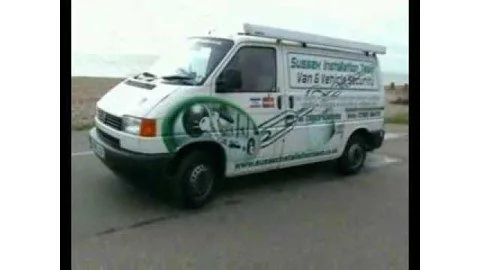
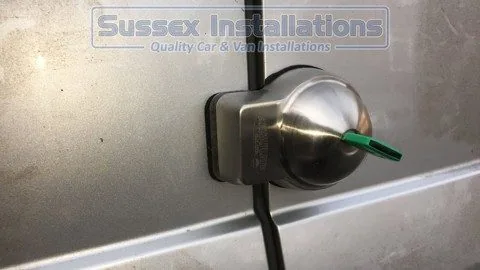
One of the earliest videos on the channel explained what an aftermarket key-operated van deadlock is, what it looks like fitted and how it operates independently of the vehicle’s factory locking system.
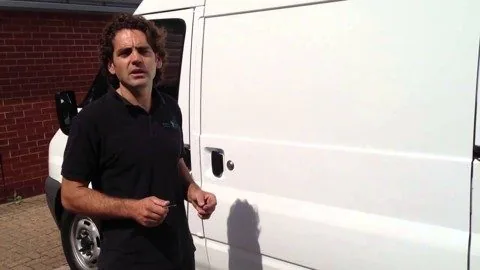
I demonstrated how a manual key-operated slamlock functions, who it suits and why a courier may benefit from it while a tradesperson or campervan owner may be better served by another type of lock.
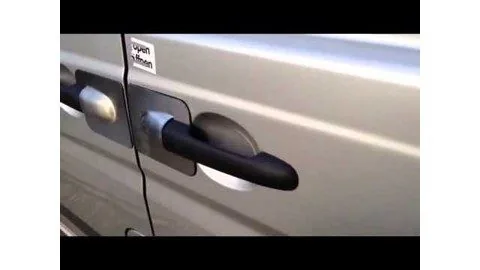
I showed how Armaplate could protect a manufacturer weak point, deadlocks could add an independent mechanical layer and an alarm could provide an audible alert if entry was gained.
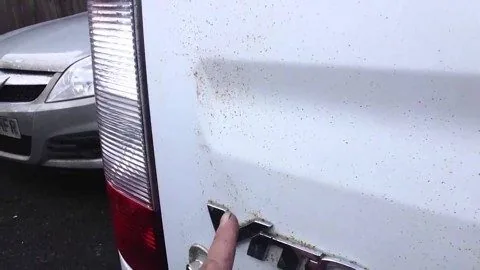
One video demonstrates the corrosion risk and an example of what will happen if a suitable clean down is not performed. The other demonstrates the additional preparation, tools and finishing steps required to carry out a durable, professional lock installation.
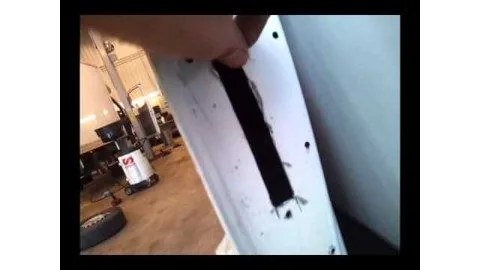
I showed the specialist tools used, the installation process, a TX reinforcement plate behind the side-door deadlock and a longer-throw deadbolt to improve resistance to attack.
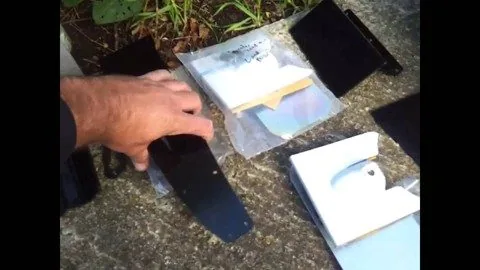
I demonstrated damaged door panels being covered and reinforced using external bolt-on shielding, with additional mechanical locks added where appropriate.
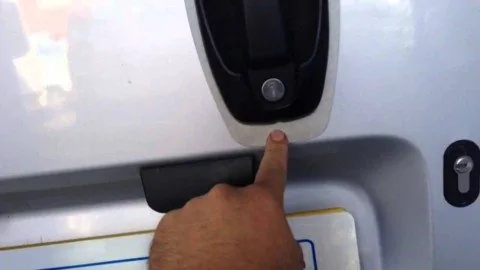
I compared Armaplate, deadlocks, slamlocks, slamhandle replacements and additional shielding, explaining how each operates and which combinations suit different types of van owners.
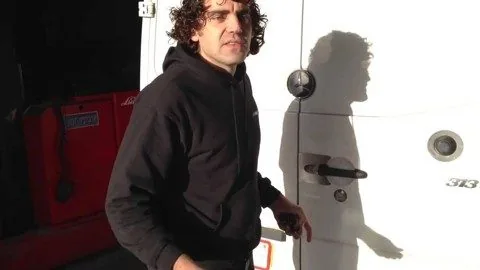
I explained the attack method, showed the components before fitting and demonstrated a cost-effective slamhandle repair combined with a slamlock and practical advice about double-locking the van.
I showed how quickly a catalytic converter could be cut from a van and then demonstrated additional physical security fitted to make the theft more difficult.
I demonstrated a catalytic converter security product, checked for unwanted vibration and rattles before finalising the installation and explained how a shear bolt works.
I demonstrated a surface-mounted aftermarket lock, known at the time as the Ultimate Lock, showing what it looked like fitted and how it operated independently of the factory system.
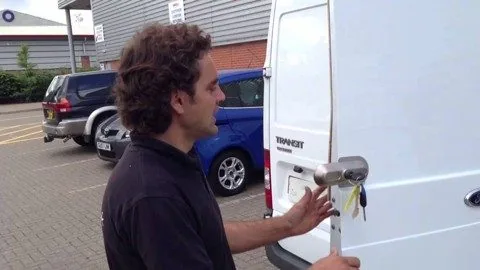
Installing bolt-on Armaplate shields highlighted risks such as stud positions near to where cabling or wiring lay inside the door, limited drilling tolerance and the absence of fitting instructions.
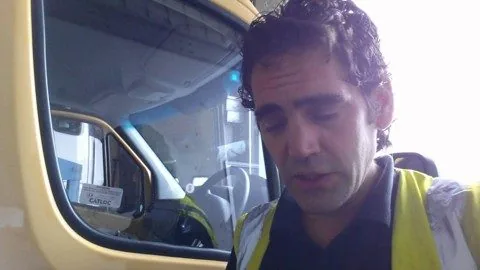
I warned Ford Transit owners about inexpensive lock-decoding tools and demonstrated a replacement lock designed to prevent that method of attack.
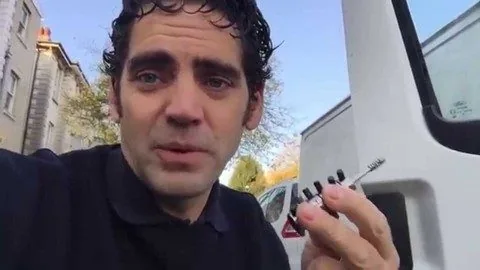
This video shows a team of three installers working on site to fit a fleet of vans with independently operated deadlocks.
I demonstrated an early software-controlled immobiliser requiring the owner to enter a code sequence using the vehicle’s existing steering-wheel controls before the vehicle could be driven.
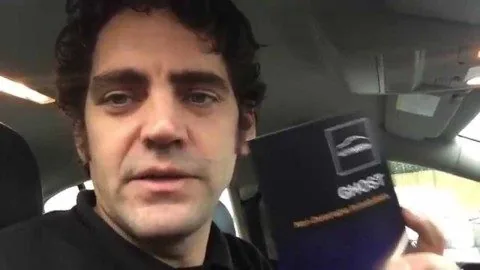
I demonstrated thieves cutting into a wiring loom to electronically unlock vans and showed a mechanical loom-guard shield fitted to prevent access and reduce attack damage.
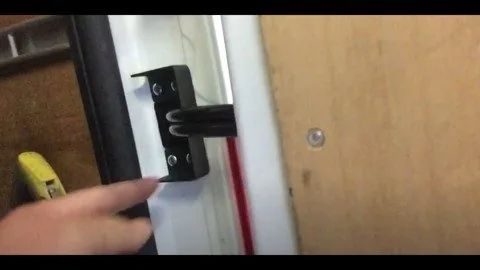
I introduced a bundled Gold Package combining recommended products to address manufacturer weak points and add independent security layers while offering value for money.
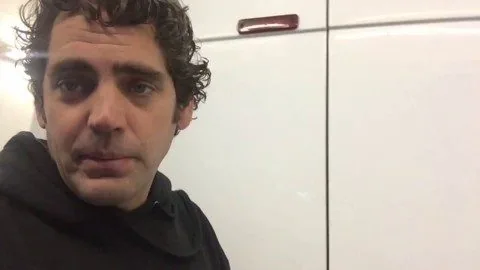
I combined slamlocks, slamhandle repairs and internal shielding to protect the latch and door-handle cables inside the door.
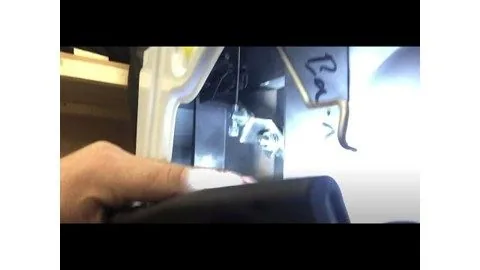
I identified why attacks at the top of a load door could fail to trigger the original alarm and developed the components, sensor strategy and electrical connection points needed to improve detection.
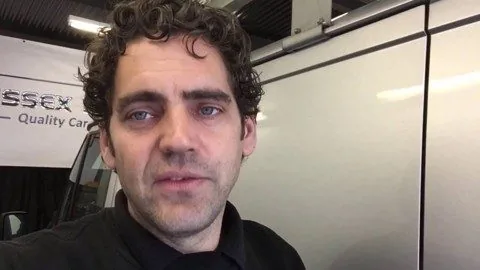
When fitting a complete aftermarket alarm, we added PIR load-area detection and high-position switches so the system could respond to attacks that standard installations often missed.
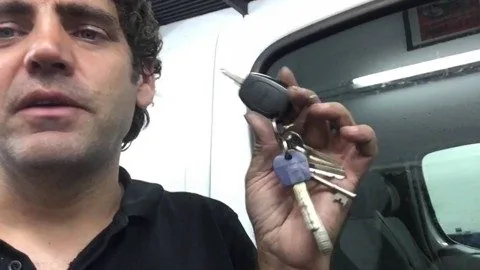
I showed a physical shield protecting the ECU and its wiring plug from thieves attempting to connect their own pre-coded control unit and matching keys.
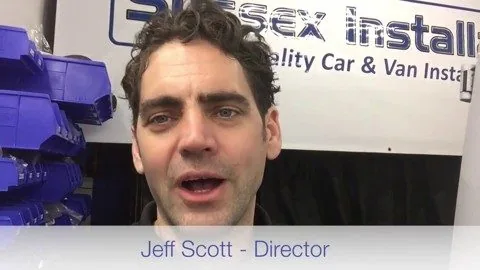
I documented thieves using adjustable grips to force-turn vulnerable Ford lock barrels, unlocking both the cab and cargo area, and demonstrated a replacement lock with a free-spinning slip ring.
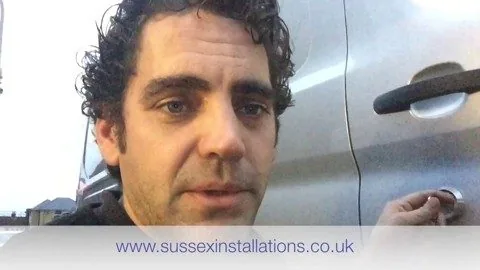
I created a large educational project explaining most major types of security products available at the time, how they worked, who they suited and how they could be combined.
Selected additions to this evolving professional archive.
 2017
2017A detailed investigation into Euro 6 logic where an attack on the driver’s door lock could unlock the load area and disarm the factory alarm.
 2018
2018Testing a brand-new 2018 Ford Transit Custom showed that alarm behaviour had improved, but the load area could still unlock from the driver’s door barrel.
 2018
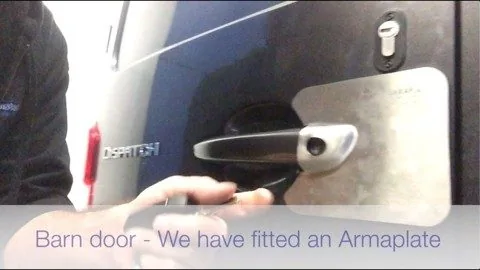
2018Where a panel van had no rear seats, internal side-door lock cables offered little owner benefit but created an attack path, so we disconnected them where appropriate.
 2019
2019For Proace, Dispatch, Expert, Vivaro and Scudo vans, I developed a wiring modification that removed the attack method more directly and at lower cost than fitting several loom guards.
 2019
2019An early warning as keyless entry reached more vans and created a new electronic theft risk for tools and complete vehicles.
 2020
2020A customer had been told no software update was required, but workshop testing showed the vulnerable load-area unlocking behaviour remained.
 2021
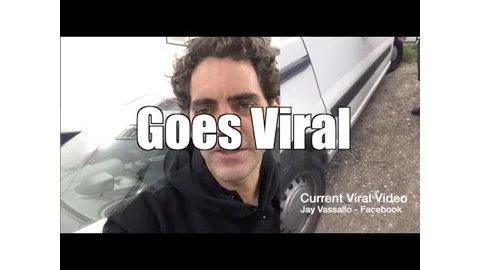
2021A real owner’s viral demonstration showed limited side-door movement triggering a door input and causing all load-area doors to unlock despite factory double locking.
 2024
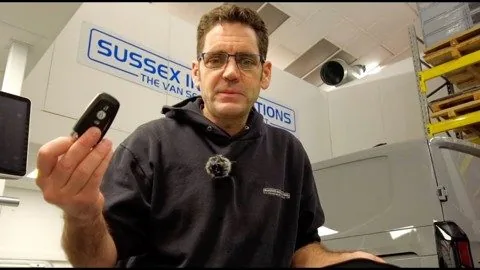
2024I assessed the new platform mechanically, electrically and logically, advised owners on secure settings and began planning the products it would require.
 2024
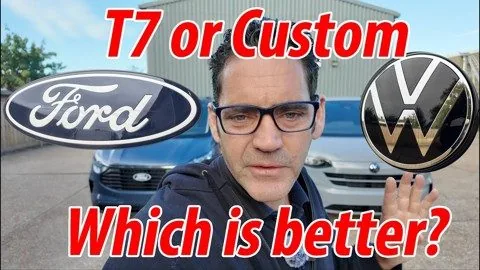
2024An independent look at how closely the two new vans are related and what shared engineering may mean for security and product development.
Selected additions to this evolving professional archive.
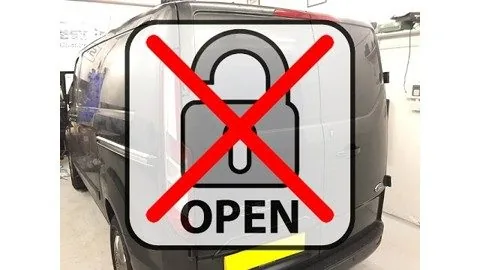
I demonstrated a wiring modification that changed the locking behaviour of Ford Transit and Transit Custom vans so compromising the driver’s door would not automatically unlock the cargo area.
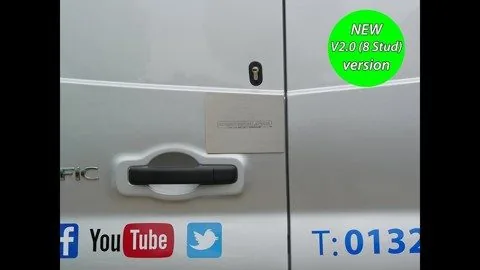 2018
2018After buying a 3D printer and teaching myself CAD, I developed an internal and external Renault Trafic shield set with wrap-around attack deflection and repair capability.
I designed and prototyped a family of higher-security lock-case fore-ends in response to changing attacks on hooklocks, then made the strategic decision to keep Sussex Installations focused on vehicle-specific shielding.
I realised that both stainless-steel layers could reinforce the vulnerable attack face while the remaining areas created greater wrap-around protection and deflection.
A difficult door shape led to a Version 36 design using multiple folds in different directions so the perimeter could follow the vehicle even where the centre did not touch.
A difficult fourth appendage preserved the triple-layer shield's wrap-around protection while allowing Ford's power-latch cable to exit.
I developed a cross-directional forming method to follow compound door shapes using the press-brake machinery already in the factory.
Narrower modular extensions allowed repair protection where changes in the door pressing left only a small space above or below the main shield.
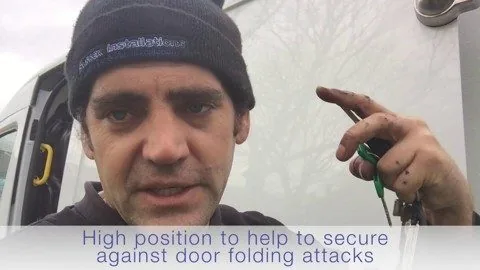 2018
2018Real installations revealed panel distortion, limited tolerance and weak structural attachment, lessons that later influenced anchoring products to internal reinforcement.
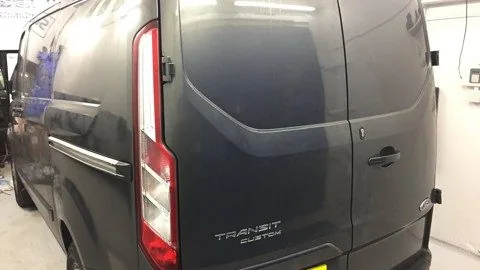 2018
2018Hook-type deadlocks offered improved resistance to levering attacks on sliding doors because of their engagement geometry.
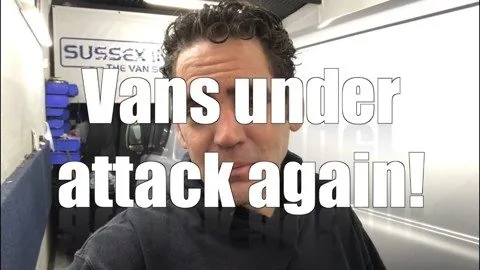 2021
2021As thieves shifted towards the side-door latch, I launched an internal shield using factory fixing points and reinforced the three-strategy approach to van security.
 2021
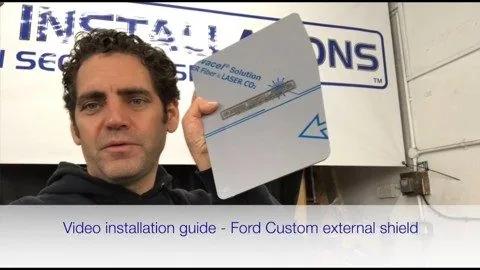
2021A complete step-by-step launch and fitting guide, including how to treat existing break-in damage correctly.
 2022
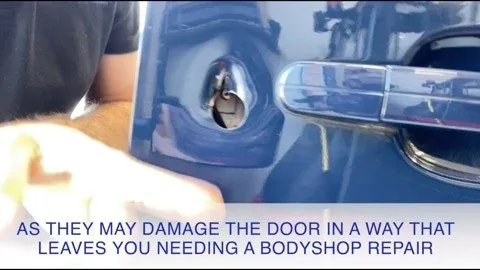
2022When attacks moved to Ford Custom rear doors, we developed internal latch protection and external repair shielding.
Break-in damage did not always fall perfectly within the area covered by an existing repair shield. I developed extension plates that could be fitted above, below or beside the main shield, in different widths matched to the shield range available at the time.
 2023
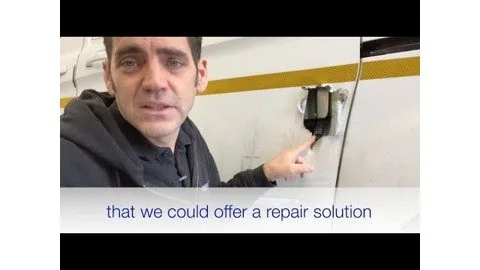
2023Workshop damage forced another product revision, increasing shield size as attacks became more aggressive.
 2023
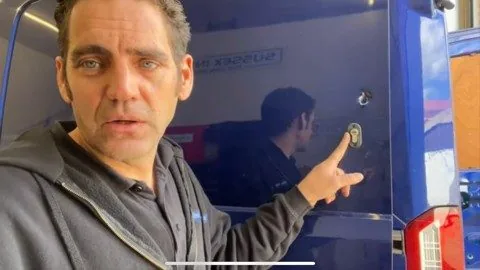
2023After thieves attacked both a deadlock and the factory latch, I designed a shield to repair and reinforce the damaged deadlock area.
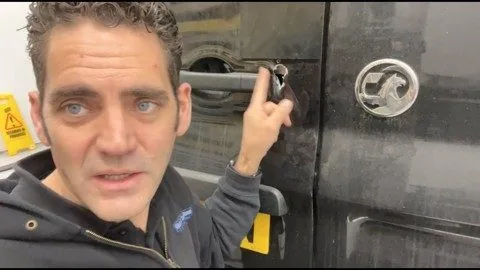 2023
2023For damage that could not simply be covered, I created a new repair method by cutting a controlled section from the door and re-mounting the original handle through the new panel.
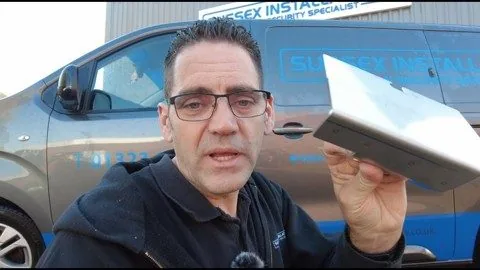 2023
2023No compromise on the result, I take you through the whole design process to reach our end goal.
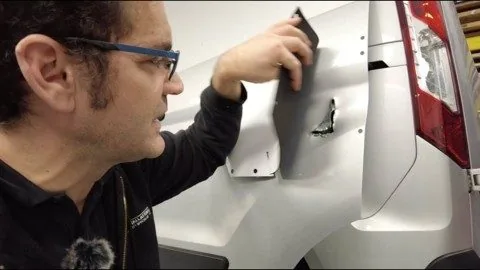 2024
2024A complex body shape could not be matched conventionally, so I developed multiple folds in different directions to support the perimeter.
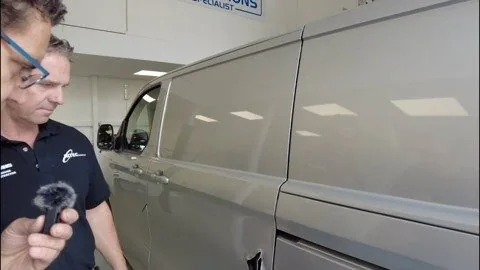 2024
2024Because I had bought a new van for research, we already had an external repair shield and triple-layer Stealth Shield ready when an early victim arrived.
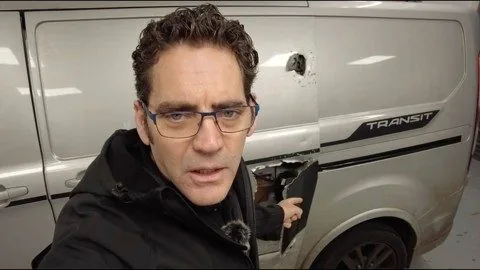 2024
2024A deadlock was attacked and an external shield cut around. The repair required an XL shield and helped trigger the thinking behind Stealth Trap Anchor.
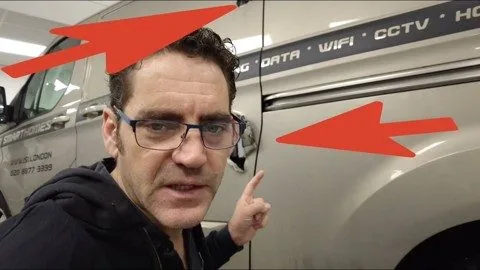 2024
2024The internal Stealth Shield protected the latch; we repaired the damage with large latch and escutcheon shields and added barn-door protection.
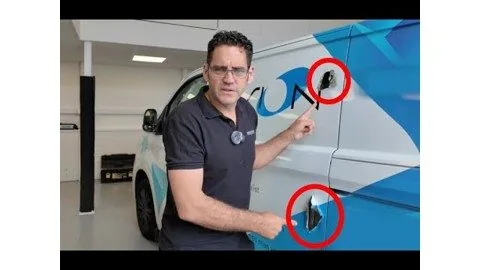 2024
2024A severe attack caused major damage, but the thieves failed to enter because the three-layer internal shield remained in place.
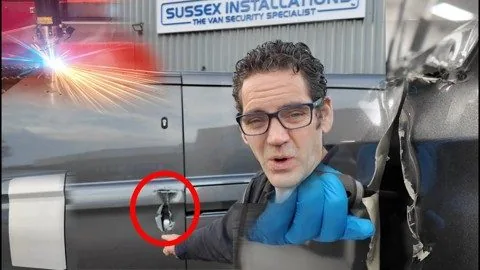 2024
2024Severe damage drove development of an extra-large repair shield and reinforced why colour matching had become important.
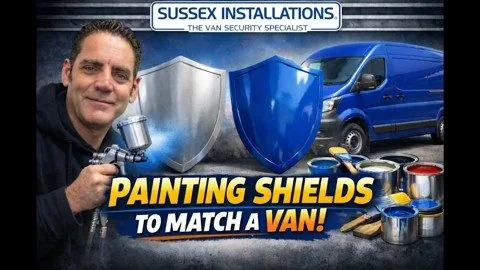 2024
2024The public launch of our in-house colour-matched repair service, combining security, repair and appearance.
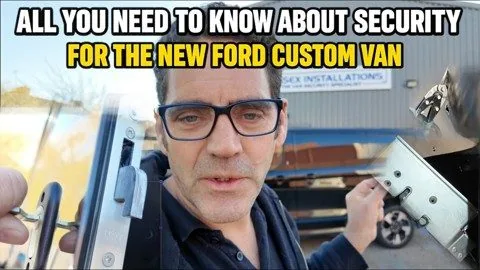 2024
2024A comprehensive vehicle-specific overview of factory settings, internal protection, repair shields, mechanical security and layered strategy.
Selected additions to this evolving professional archive.
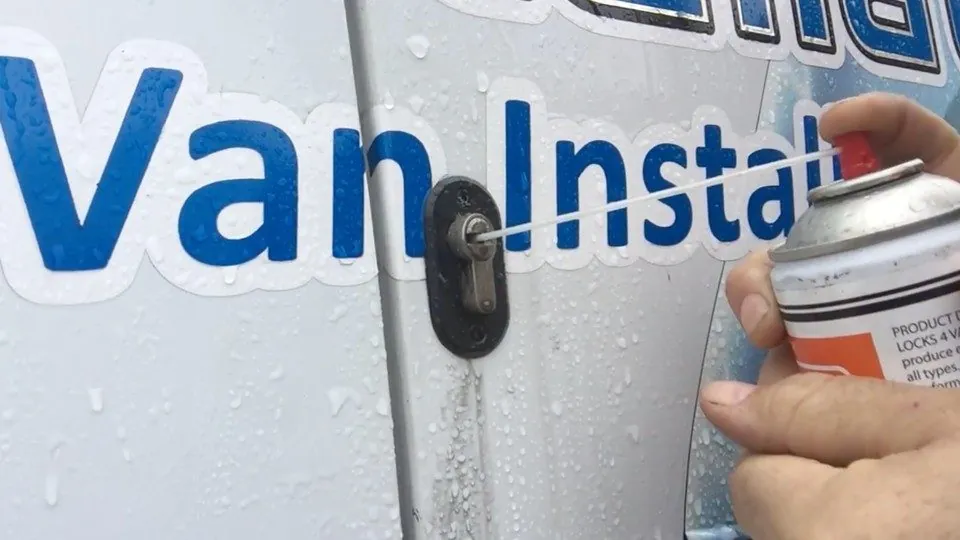
I created a practical guide showing owners how to clean and maintain aftermarket security locks, regardless of who originally fitted them.
 2017
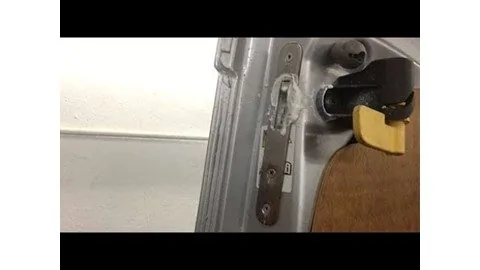
2017The Platinum package added PIR load-area detection and a high-position side-door switch to the Gold package’s layered mechanical and physical protection.
 2018
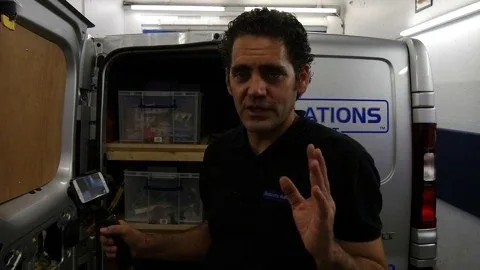
2018A practical guide to preventing hook locks becoming stiff and helping customers free them when problems arose.
 2020
2020A clear installation film was difficult to maintain as the product evolved, leading us towards detailed picture-and-text instructions with better version control.
 2023
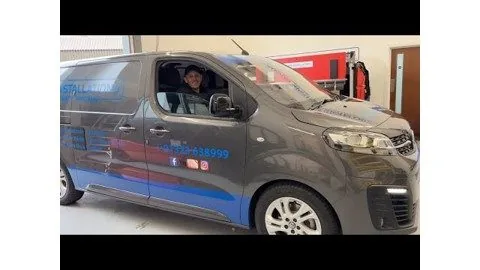
2023We equipped an installer’s van as a mobile workshop, including specialist storage and a compressor for thorough clean-down after drilling.
 2026
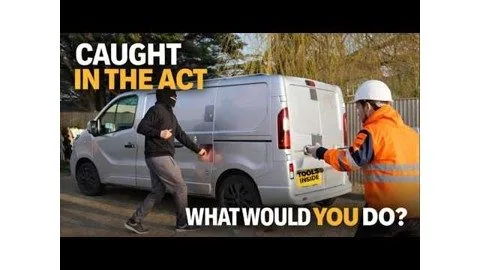
2026A realistic reconstruction exploring personal safety, police contact, intervention and possible consequences during a theft in progress.
Selected additions to this evolving professional archive.
These videos introduced the people behind the business and explained our focus on customer care, quality workmanship and genuine value for money.

 2022
2022A behind-the-scenes look at staff working hands-on across different vans, adding security and solving customer problems.
 2023
2023A repeat visit showing an ongoing professional relationship and continued trust as security requirements evolved.
 2023
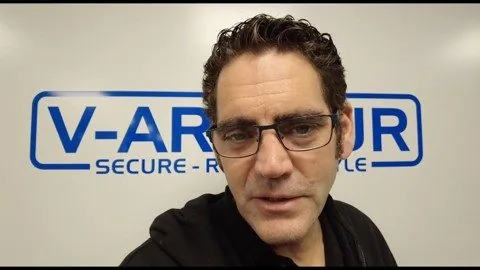
2023Every staff member received bonuses at 100, 150, 200 and 300 five-star Google reviews, reflecting a culture where customer experience is priceless.
 2023
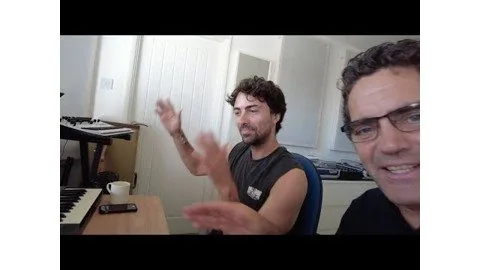
2023A separate wholesale brand allowed dealers and installers to resell our products without diluting what Sussex Installations represents.
 2024
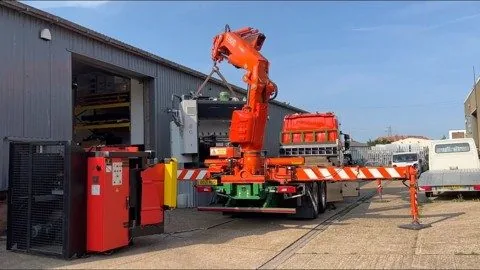
2024A product reached Version 36 in one part and Version 7 in another, showing that I continually aim to improve my own previous work.
 2024
2024A film explaining the combination of design, in-house manufacturing, technical support, workshop experience and continual improvement.
Selected additions to this evolving professional archive.
 2021
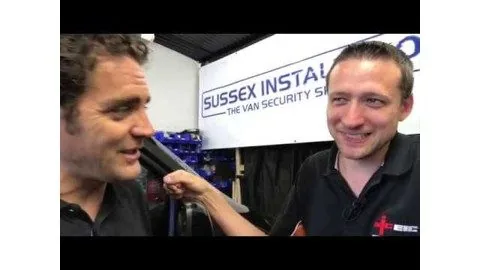
2021My own behind-the-scenes video of the visit, alongside Thomas Nagy’s feature about the work carried out on his vans.
 2022
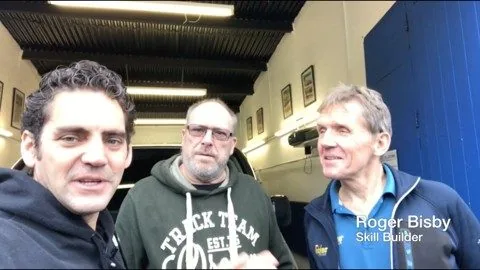
2022After Roger’s installation, he returned with Steve Farrow, who wanted the same layered security package.
 2024
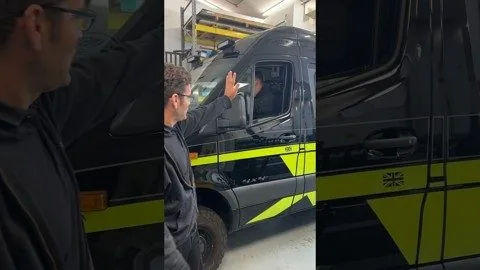
2024A motorhome owner travelled across Europe because he wanted the locks fitted by the team he trusted to do the job properly.
 2024
2024A genuine staff reaction to the announcement that I would join Thomas Nagy on his show.
Selected additions to this evolving professional archive.
 2025
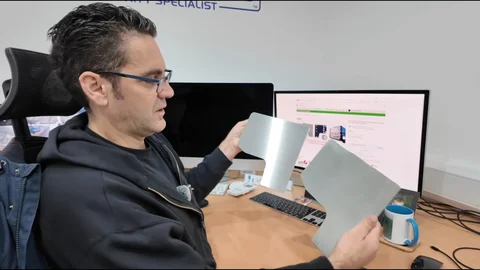
2025A side-by-side comparison highlighting differences in material, manufacture, finish and product-development detail.
 2024
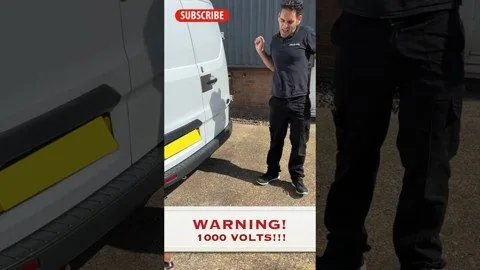
2024A customer demonstrated an unconventional device; I tested it personally out of curiosity while making clear it was not something we would supply or install.
Through television, radio, YouTube and social media, I aim to make complex vehicle security issues understandable without publishing unnecessary detail that could assist offenders.
Appeared as a Van Security Expert discussing commercial vehicle crime, vehicle vulnerabilities and practical security measures.
Fix Radio discussion about tool and van theft, its impact on tradespeople and practical security.
Listen or watch →Fix Radio discussion about tool theft and measures tradespeople can take to protect their vans and equipment.
Listen or watch →Fix Radio discussion about van security, manufacturer vulnerabilities and layered protection.
Listen or watch →Guest feature discussing commercial vehicle security and practical protection.
Watch →Guest appearance discussing van security, product design and protecting tools from theft.
Watch →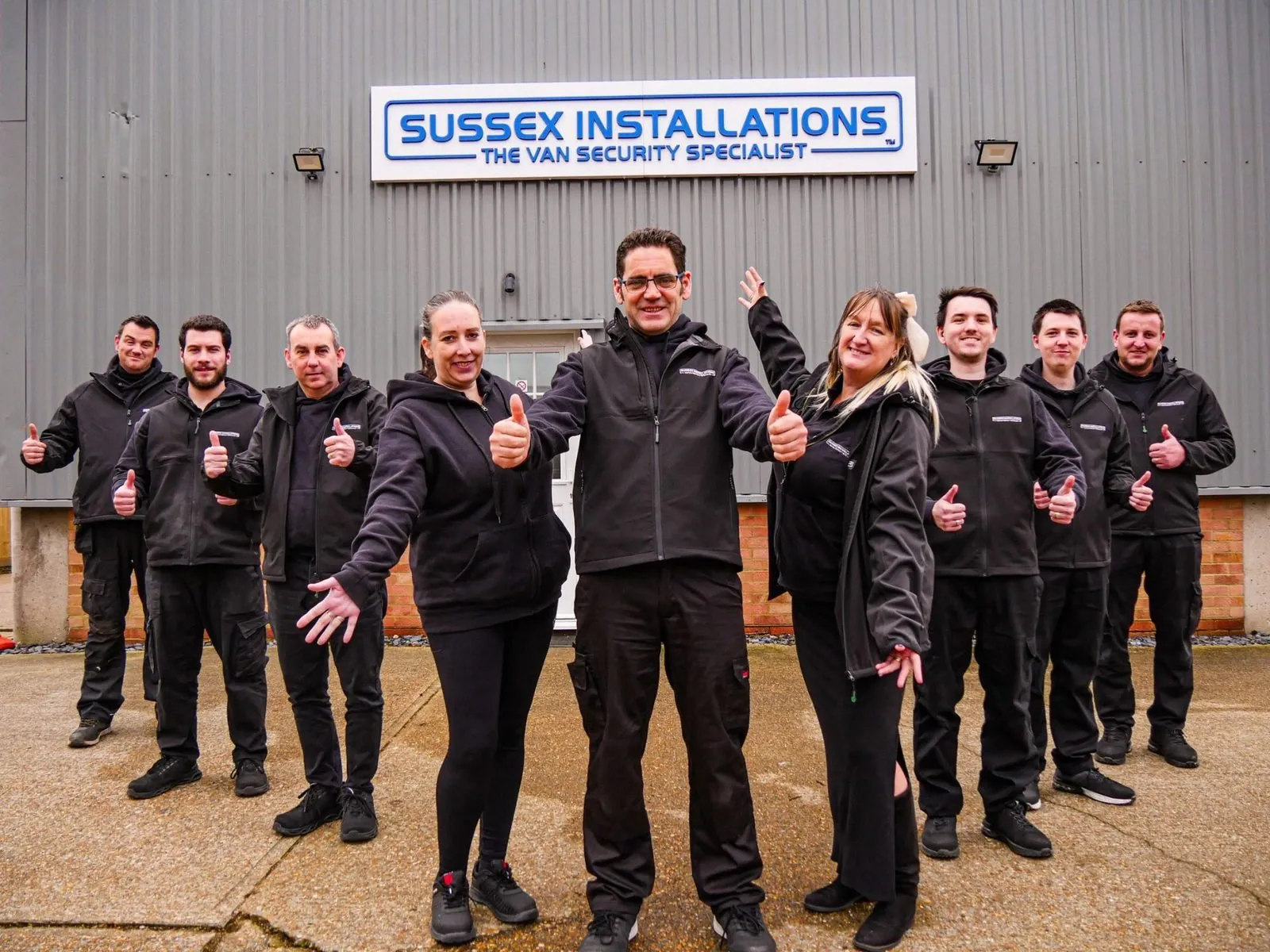
Sussex Installations provides the workshop, manufacturing and technical environment through which much of my research and product development is carried out.
Products are developed and manufactured for customers and professional installers in the UK and internationally, while the workshop continues to provide the real-world evidence that guides future development.
My knowledge has not been developed solely through theory, computer models or product sales.
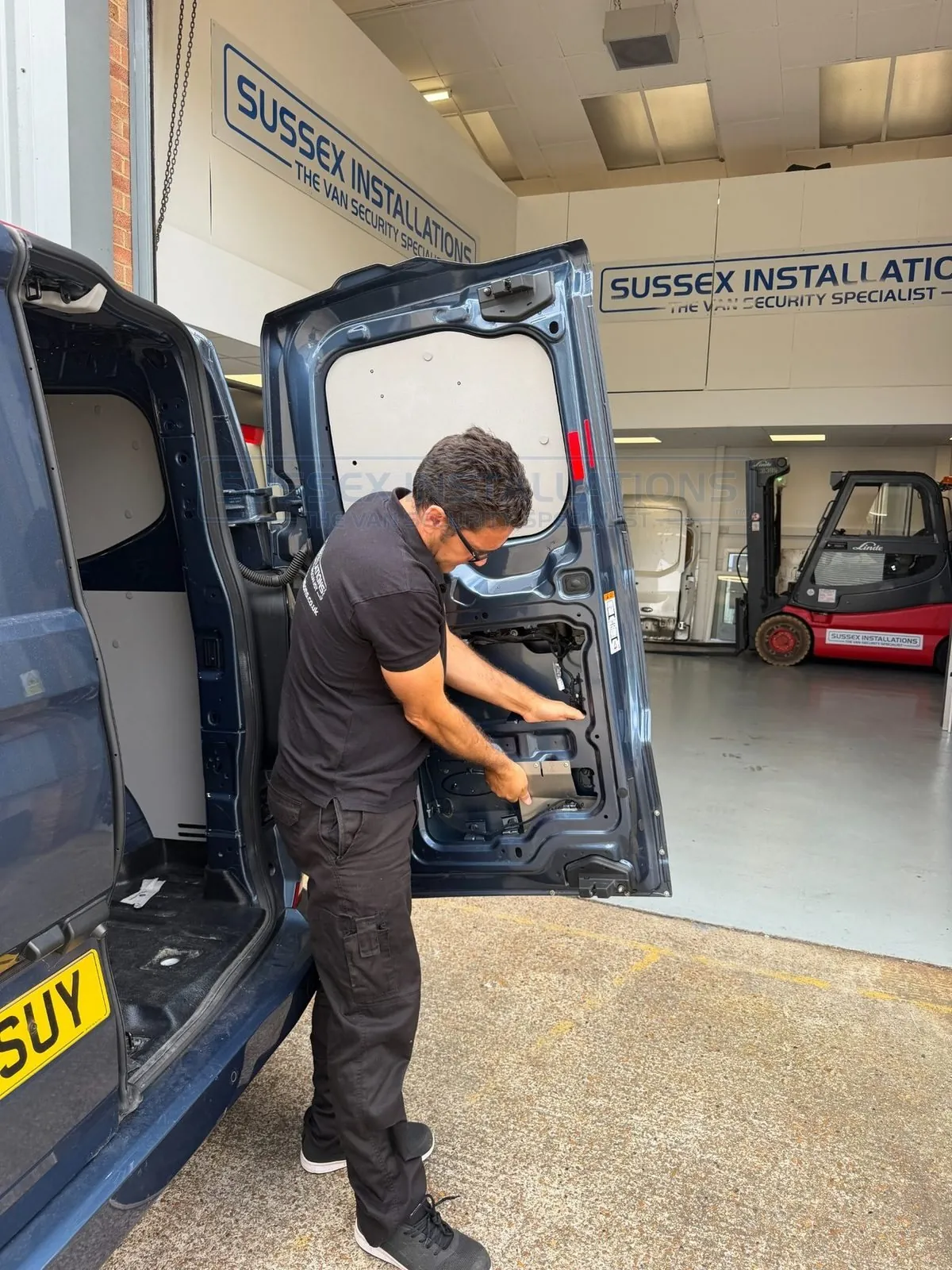
It comes from dismantling doors, installing security, examining failed components and inspecting the evidence left behind after attempted break-ins.
That experience helps me judge whether an idea will work not only in principle, but on an actual vehicle and in the hands of a professional installer.
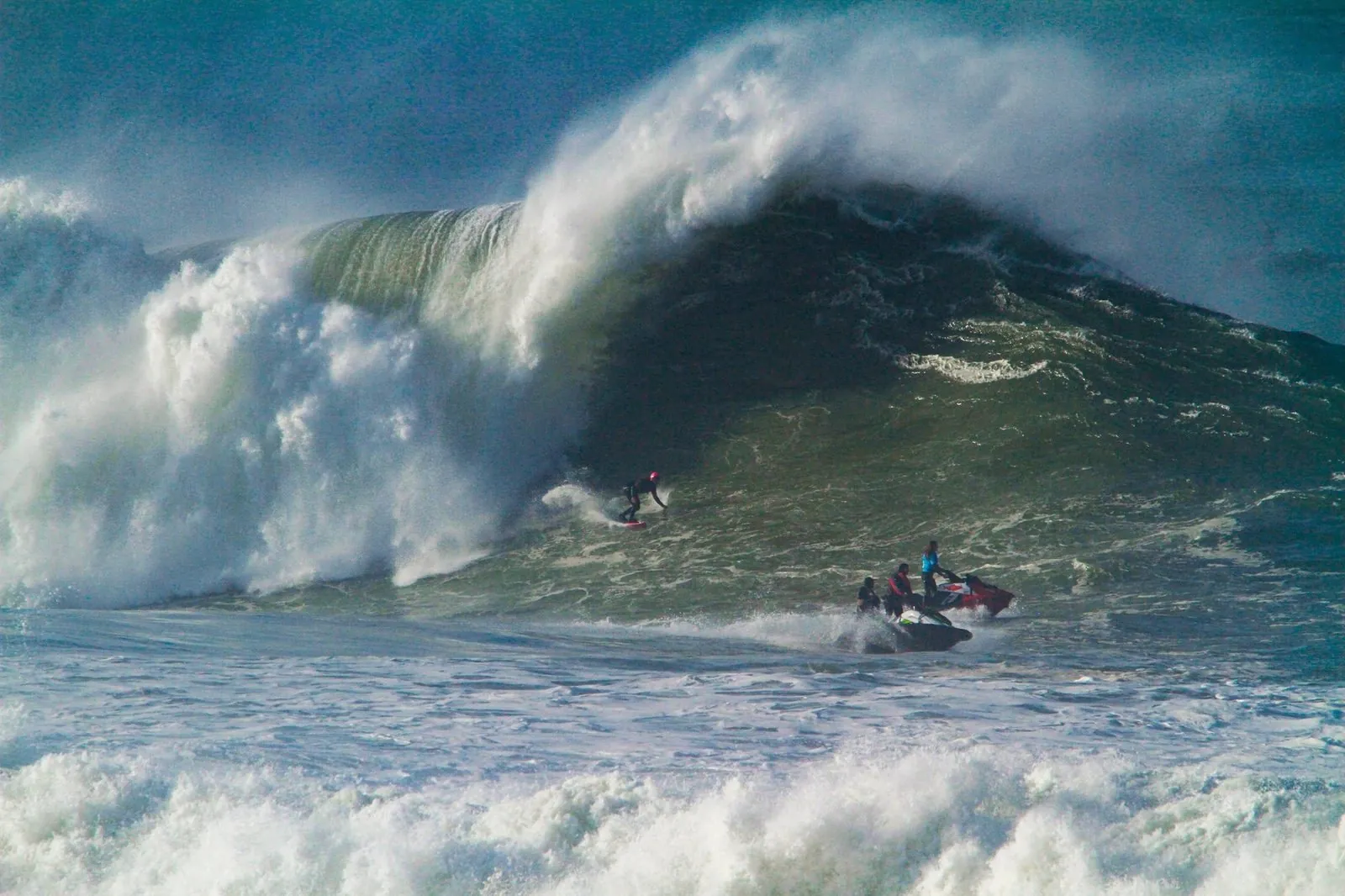
Jeff Scott surfing at Nazaré, Portugal — February 2025.
Outside of commercial vehicle security, I pursue another discipline that demands preparation, technical understanding and respect for risk: big wave surfing.
Since 2018, I've been surfing at Nazaré, Portugal, home to some of the largest waves in the world. Big-wave surfing requires research, preparation, risk assessment, continual learning and respect for the environment—qualities that closely mirror the way I approach commercial vehicle security research and product development.
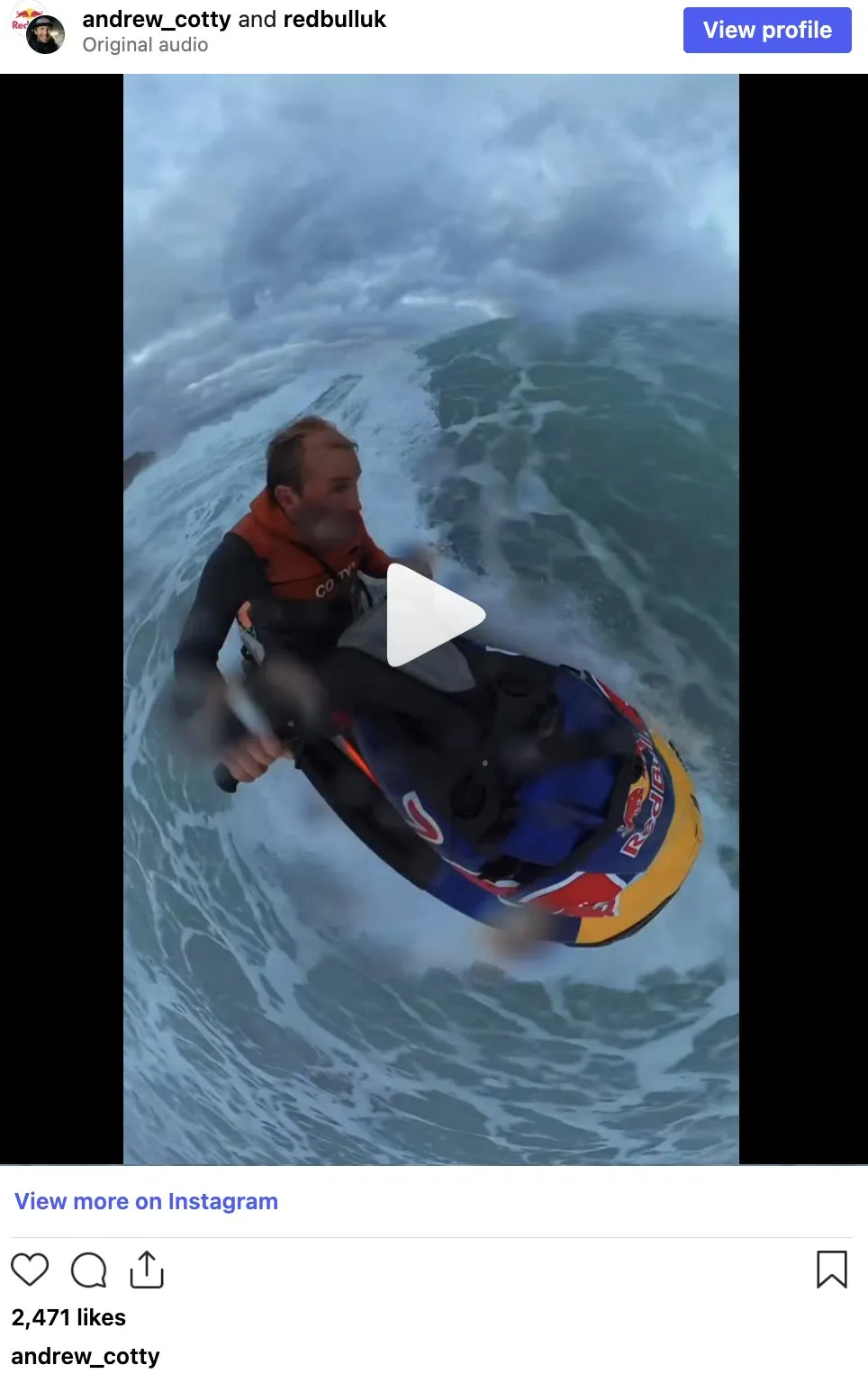
Of course, I also love inventing things around my other passions. One example is a Jet Ski / PWC mount for 360-degree action cameras, designed and manufactured to capture a previously unseen point of view of what the Jet Ski drivers experience at one of the world's most extreme beach breaks.
The footage below was created by Andrew Cotton and Red Bull using my camera mount.
Although automotive security and big wave surfing are very different disciplines, they share principles that influence how I approach professional challenges:
Whether researching new vehicle platforms, developing innovative security products or surfing at Nazaré, I enjoy tackling complex challenges that require preparation, continuous learning and practical problem solving.
Those solutions may take the form of a physical product, a layered security strategy, a technical installation method, specialist training or purpose-built industry software.
My aim has never simply been to design better security products. It has been to help improve the standards of commercial vehicle security and installation across the industry through practical innovation, technical education and knowledge sharing.
Suitable enquiries may include television and radio commentary, independent automotive security reviews, commercial vehicle vulnerability assessment, product development, vehicle technology integration and collaborative projects.
Sussex Installation Team Ltd
Finmere Road, Eastbourne
Telephone: 01323 638999