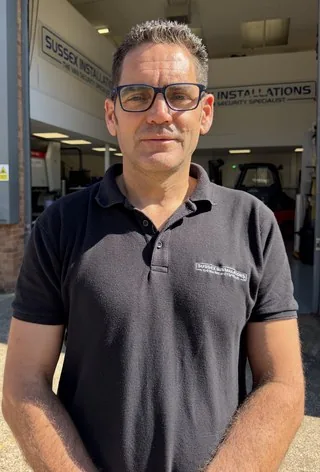
Apr 2, 2026 · 210 recorded views
This video is age-restricted on YouTube (set by the uploader), which means YouTube blocks it from playing in embedded players like the one above on most visitor accounts and devices. If the embed above doesn't play, please use the "Watch on YouTube" button below.
You walk back to your van and see this happening…
Do you step in… or walk away?
Be honest 👇
Tradesmen are living this nightmare of it it's will be their van being broken into next, but what can they do to protect themselves and who will help them?
Staged scenario using actors. No real harm caused.
#tooltheft #vansecurity #uktrades #tradesmanlife #vanowner #smallbusinessuk #workvan #tradie #theftawareness
Historical context: This video records the advice, products and attack methods relevant when it was published. Current recommendations may have changed as vehicles, products and criminal methods evolved.
No. Sussex Installations staged this scenario using actors to illustrate the dilemma of witnessing a break-in in progress — no real harm was caused and no real crime is depicted.
The video walks through the uncomfortable trade-offs: filming risks the thief taking your phone from you, physically intervening risks injury or legal consequences if it goes wrong, confronting them directly can be dangerous if they react aggressively, and calling the police may mean being told no unit is available rather than getting an immediate response.
Showing how few good options you have once a break-in is already happening in front of you makes the case for prevention — security such as deadlocks and Stealth internal shielding is designed to stop the break-in before anyone is ever faced with this dilemma.
The police will issue you with a crime reference number that can be used to help you make an insurance claim. They may investigate and send a forensic detective to gather evidence, but this seems inconsistent and may depend on your area, timing or individual circumstances. You may want to check if your insurance covers you for tools stolen from inside your van, what your excess costs will be, and how much your future renewal premiums are likely to increase, before deciding if it's worth making a claim.
Fighting back can carry real legal risk for you, not just the thief — we're aware of at least one case, reported to us as happening in Manchester, where a van owner ended up with a prison sentence after confronting and fighting thieves who'd broken into his van. UK law allows for some "reasonable force" to protect yourself or your property, but what counts as reasonable depends heavily on the circumstances and is judged after the event, so it's worth being cautious — getting it wrong could mean you're the one facing criminal charges.
It's understandable why people suggest this — reports involving weapons genuinely do get treated as a higher priority, sometimes bringing multiple units and even a helicopter. But making a false report to the police is itself an offence, and if the thief later realises you lied about hurting them, they could turn it around and fake an injury to claim compensation from you. It's a real risk, not just a grey area.
There's no single right answer, and it's a genuinely difficult situation to be in. Some people feel their instinct would be to step in, but doing so carries real risk to your own safety, and potentially legal risk too if things escalate (see the question above on fighting back). A safer approach is to assess the situation from a distance first, put your own safety ahead of the tools or the van, and be ready to back away and let the police handle it if there's any doubt at all.
Most reactions to this video focus on what to do once a break-in is already happening, but the better strategy is stopping it happening at all. Layered security such as van deadlocks, internal Stealth shielding around the latch, and an alarm sensor positioned to detect early tampering all make it significantly harder and slower to get in — often enough on its own to make someone give up and move on.
Transcript source: the YouTube auto-generated transcript supplied for this project, re-grouped into sentences with minor corrections (e.g. a misheard word). Automated transcripts can contain recognition errors and should be checked against the original video.