Why careful preparation, measuring, test fitting and final assembly matter.
★★★★★Rated 5.0 out of 5 from 365 Google reviews
A good van-security product can only perform properly when it is fitted accurately, cleanly and with care for the vehicle.
Installation quality still matters today
Although industry standards have improved and I have published examples of quality deadlock installation since 2012, we still encounter workmanship that, in my professional opinion, falls below an acceptable standard.
Dec 23, 2012
VAN DEADLOCK FITTING - THE IMPORTANCE OF THE CLEAN DOWN - NO RUST
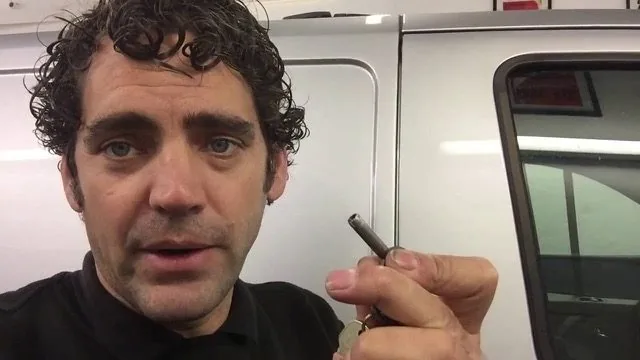
Here we show what effort we put into doing a quality installation, we go further than most would in order to keep the rust away from your van body work! Find out what's important in van lock fitting, car and at
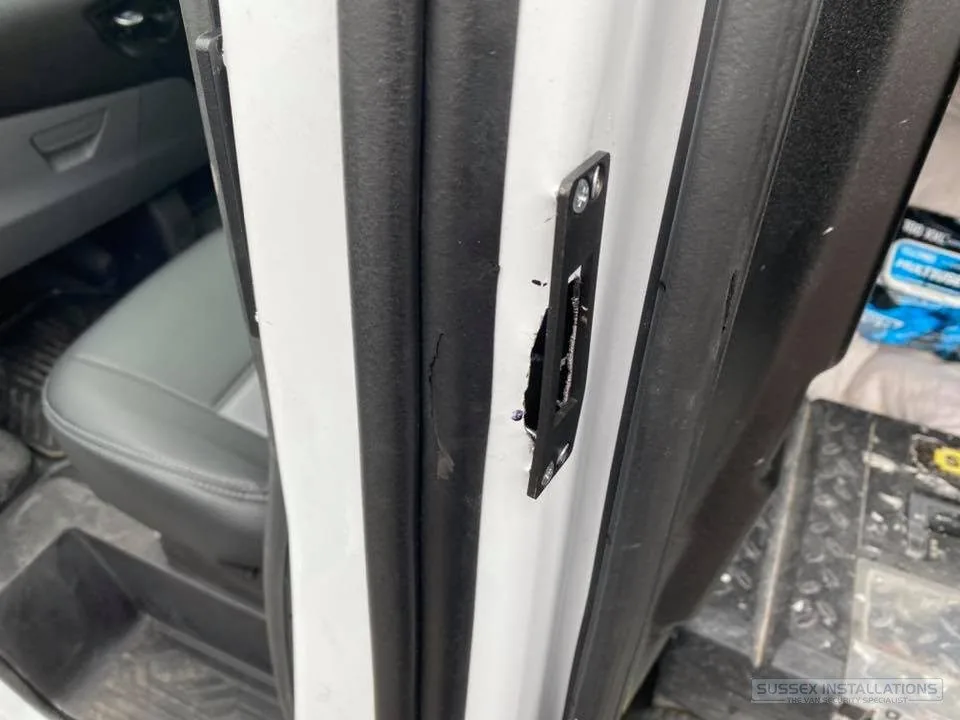
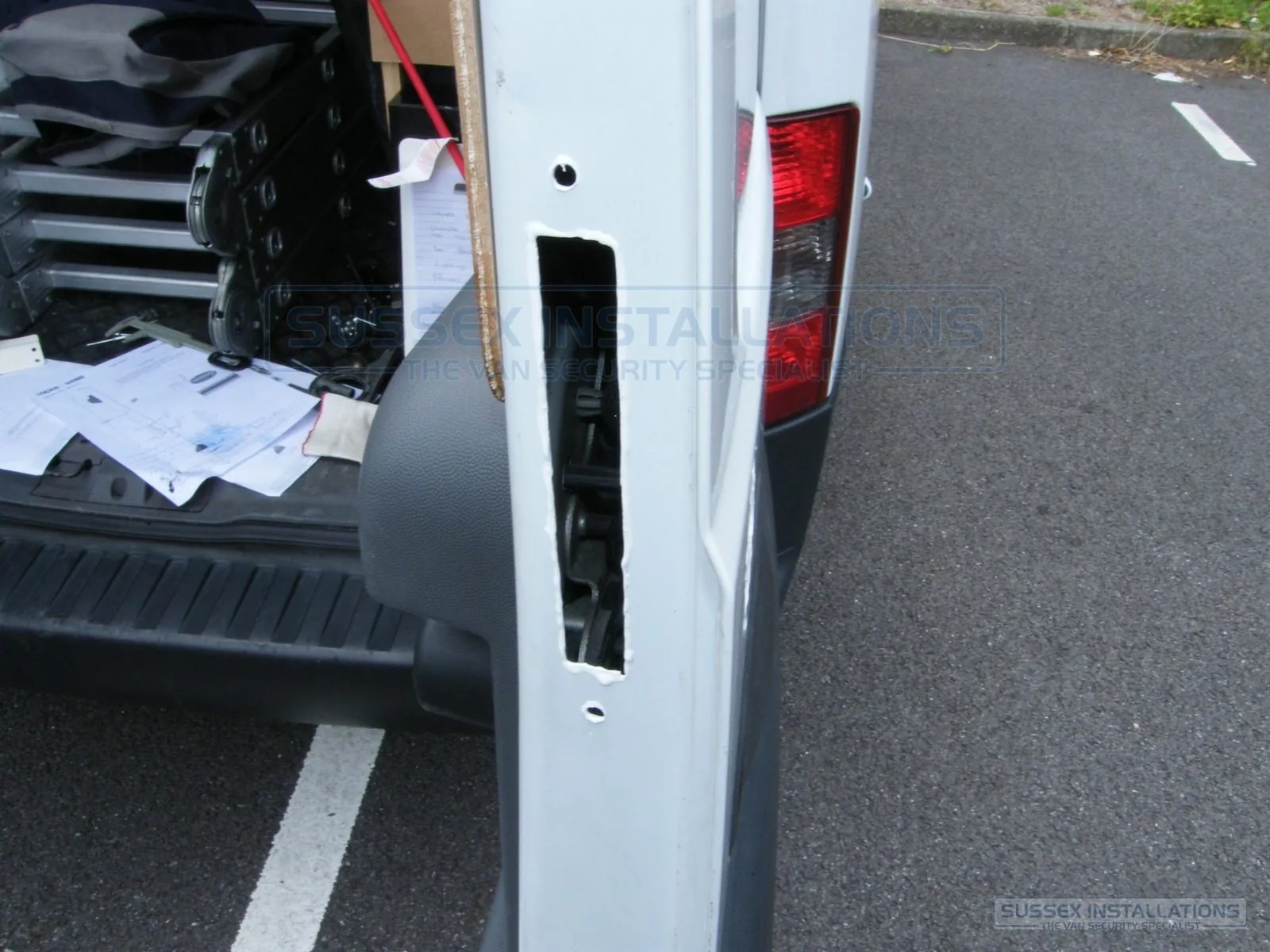
These examples can result from inexperience, poor preparation, missing tools or parts, insufficient time, or simply a lack of care and pride in the finished work. The photographs are presented to explain visible workmanship issues, not to identify or criticise individual installers.
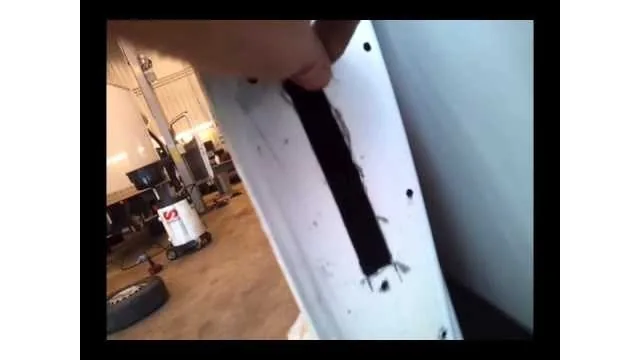
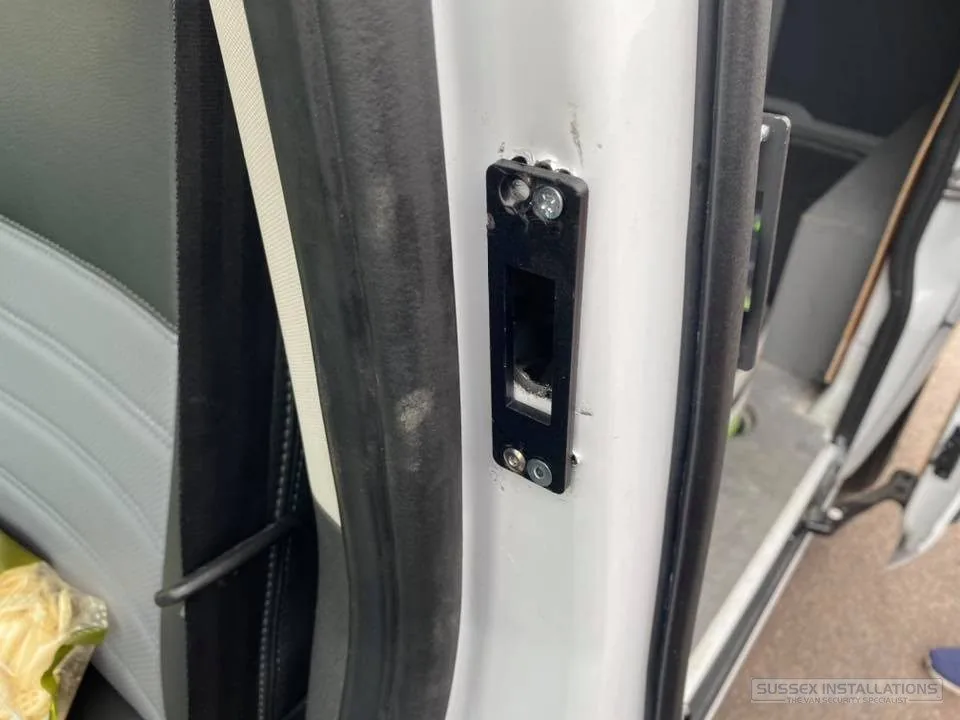
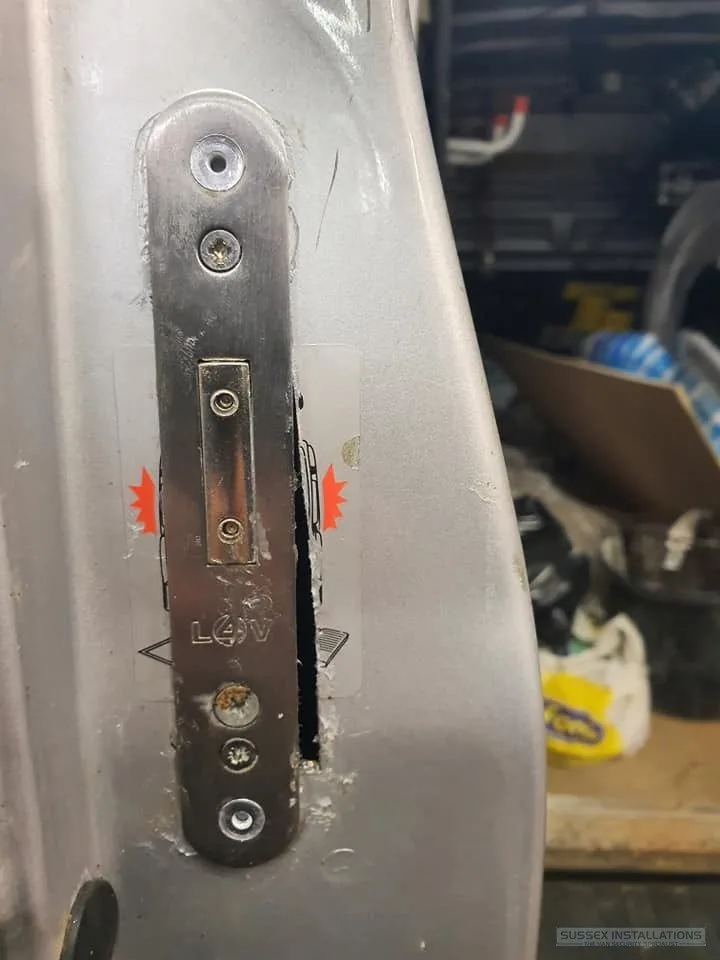
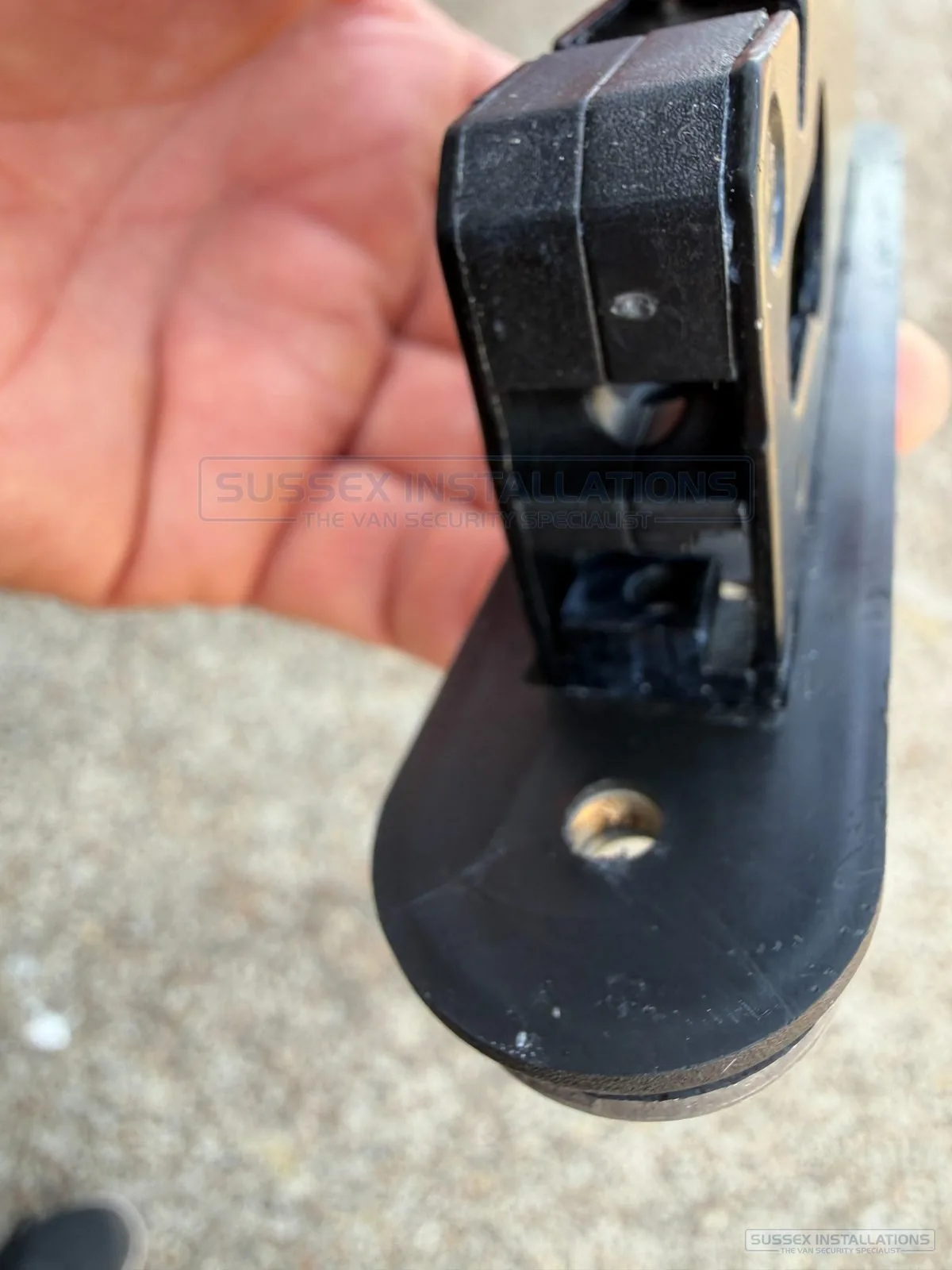
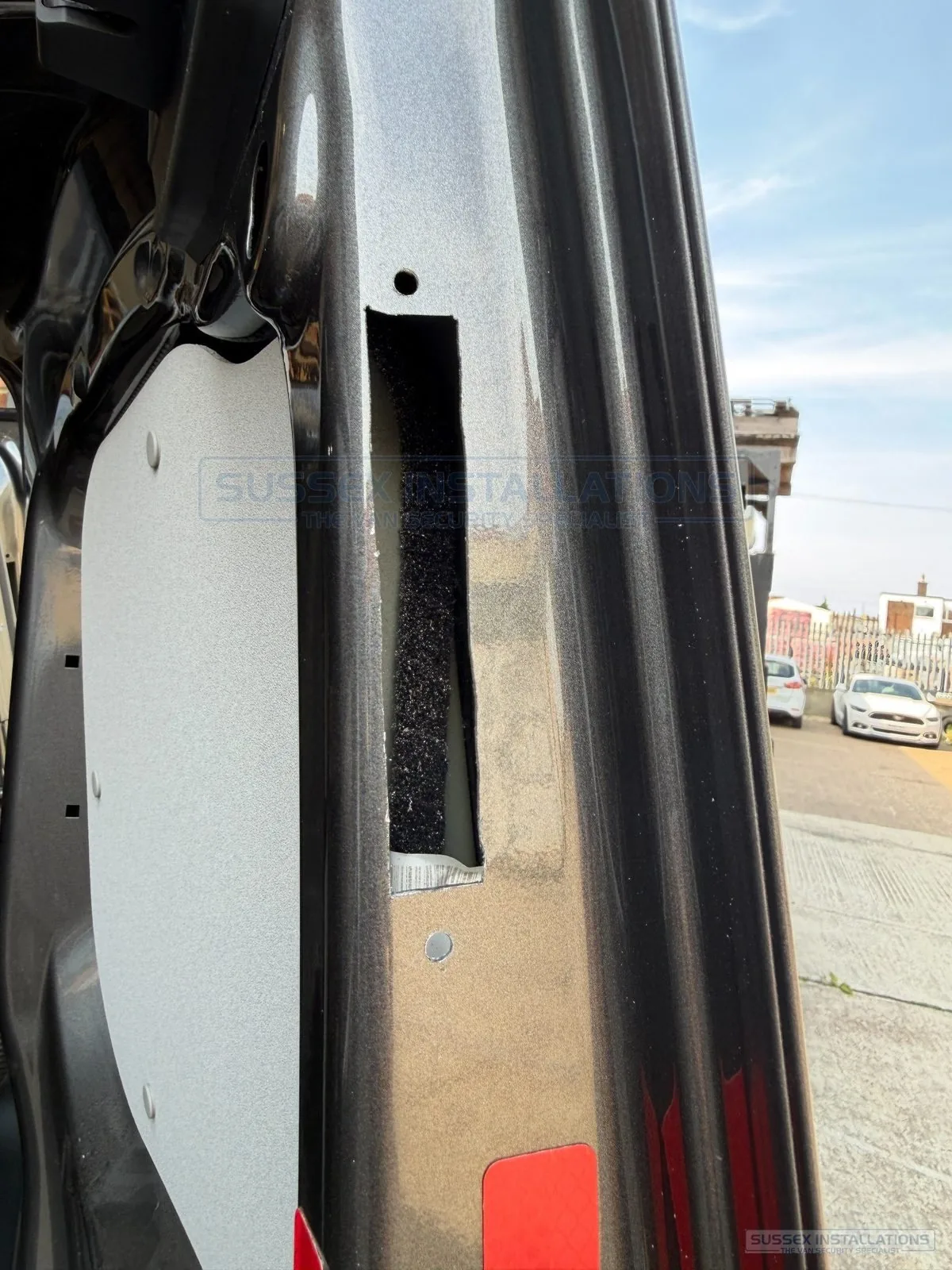
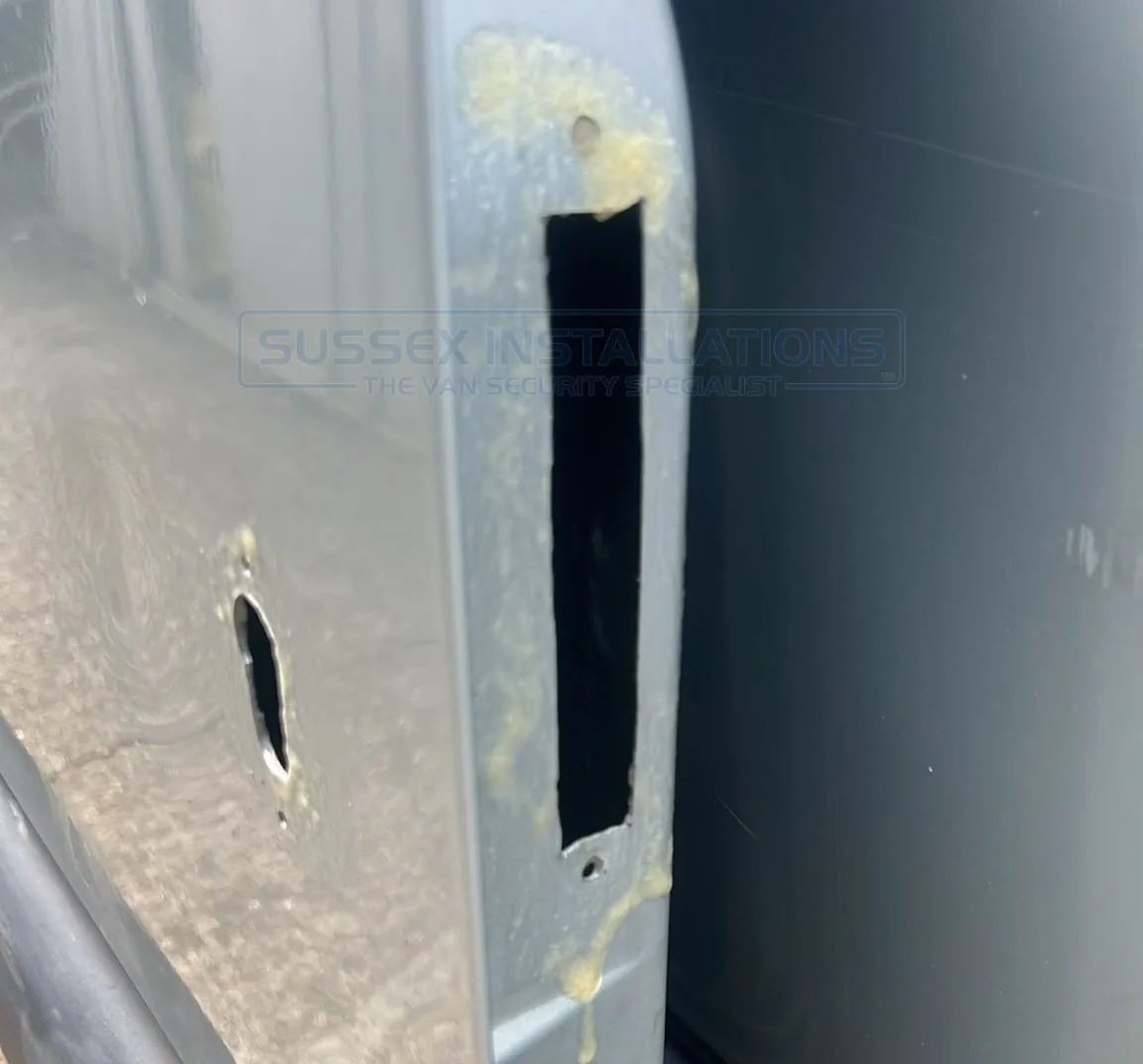
An oversized and poorly finished opening around the keep.Uneven cutting and excessive clearance around the fitted component.An inconsistent finish around the receiving aperture.A large uncontrolled opening beside the faceplate.
Good products can still be represented badly when the measuring, cutting, alignment, clean-down and finishing are not carried out with care. This is why installation standards matter as much as the lock itself.
Precision positioning of the deadlock keep
The deadlock is temporarily fitted with screws before the keep — the receiving bracket — is permanently fixed into the van body or the opposite rear door. This allows the bolt and keep to be aligned on the individual vehicle rather than relying only on measurements.
Temporary assembly allows the correct operating position to be found.The keep is positioned to give the required engagement and tolerance.The bolt must enter the keep naturally without being forced sideways.The receiving position is marked after testing the temporarily fitted lock.Repeated operation confirms smooth engagement before permanent fixing.The amount the door can move before the deadlock stops it is deliberately set.
Correct alignment gives the required bolt engagement, controlled door movement, smooth key operation and reduced stress on the lock mechanism. Even nominally identical vans can differ slightly through production tolerances, wear, previous repairs or door alignment.
Why every metal filing matters
Metal debris may look harmless, but the filings produced during drilling and cutting are bare steel. Once exposed to moisture they begin to corrode while sitting directly on the vehicle’s paintwork. If left in place, the rust can stain and eventually damage the paint. Once the paint coating is compromised, the vehicle’s steel bodywork can itself become exposed and corrode.
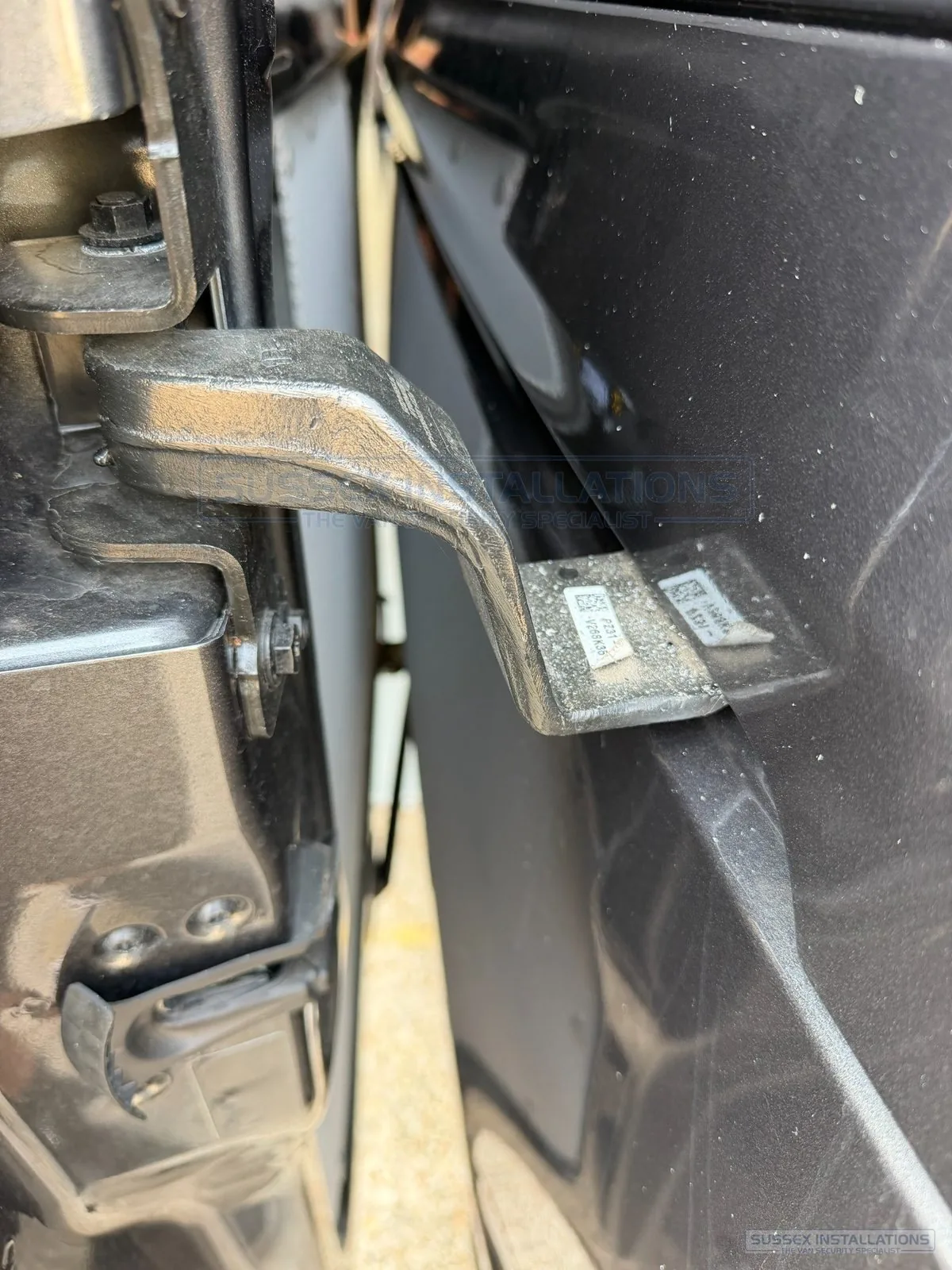
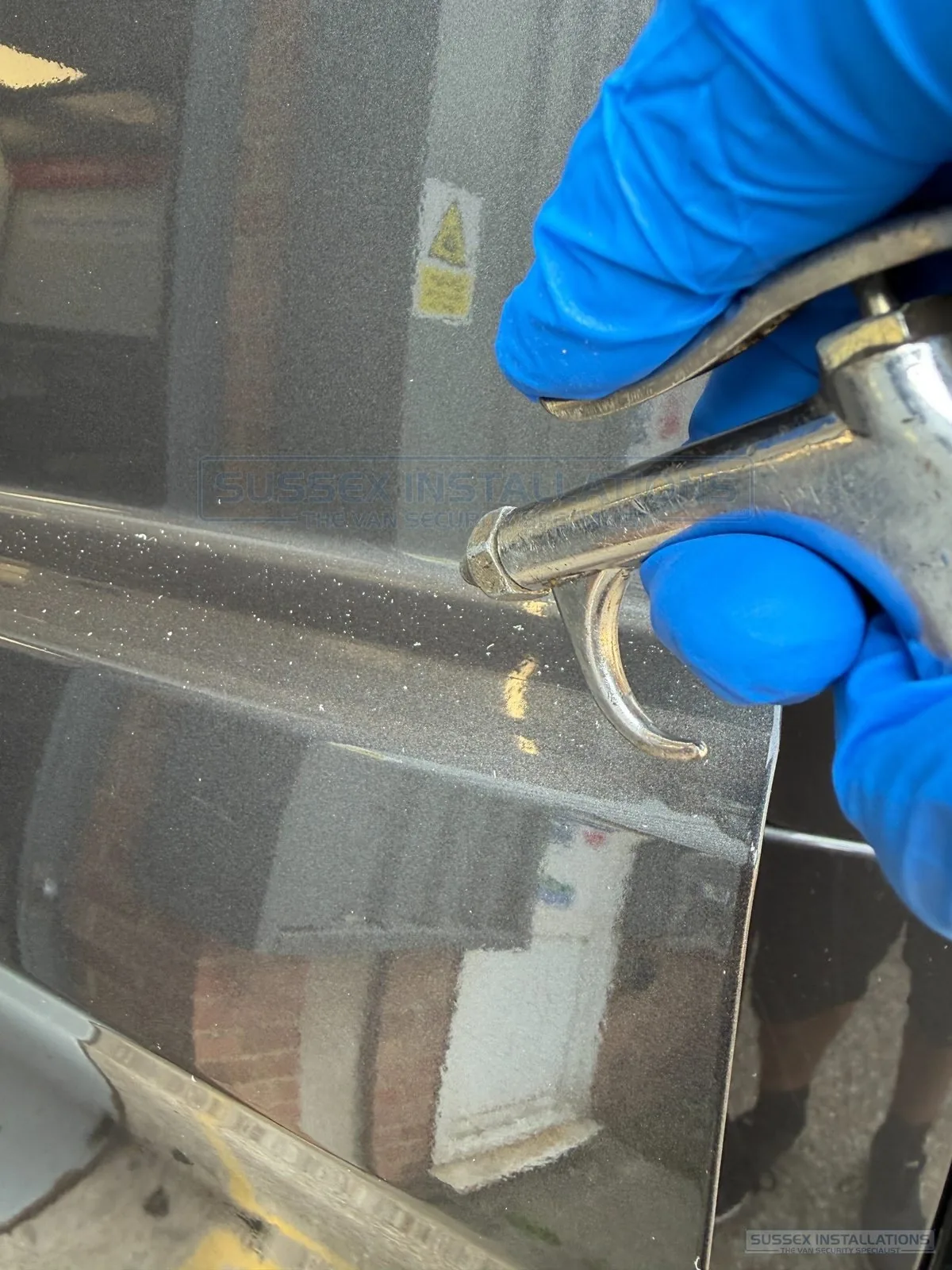
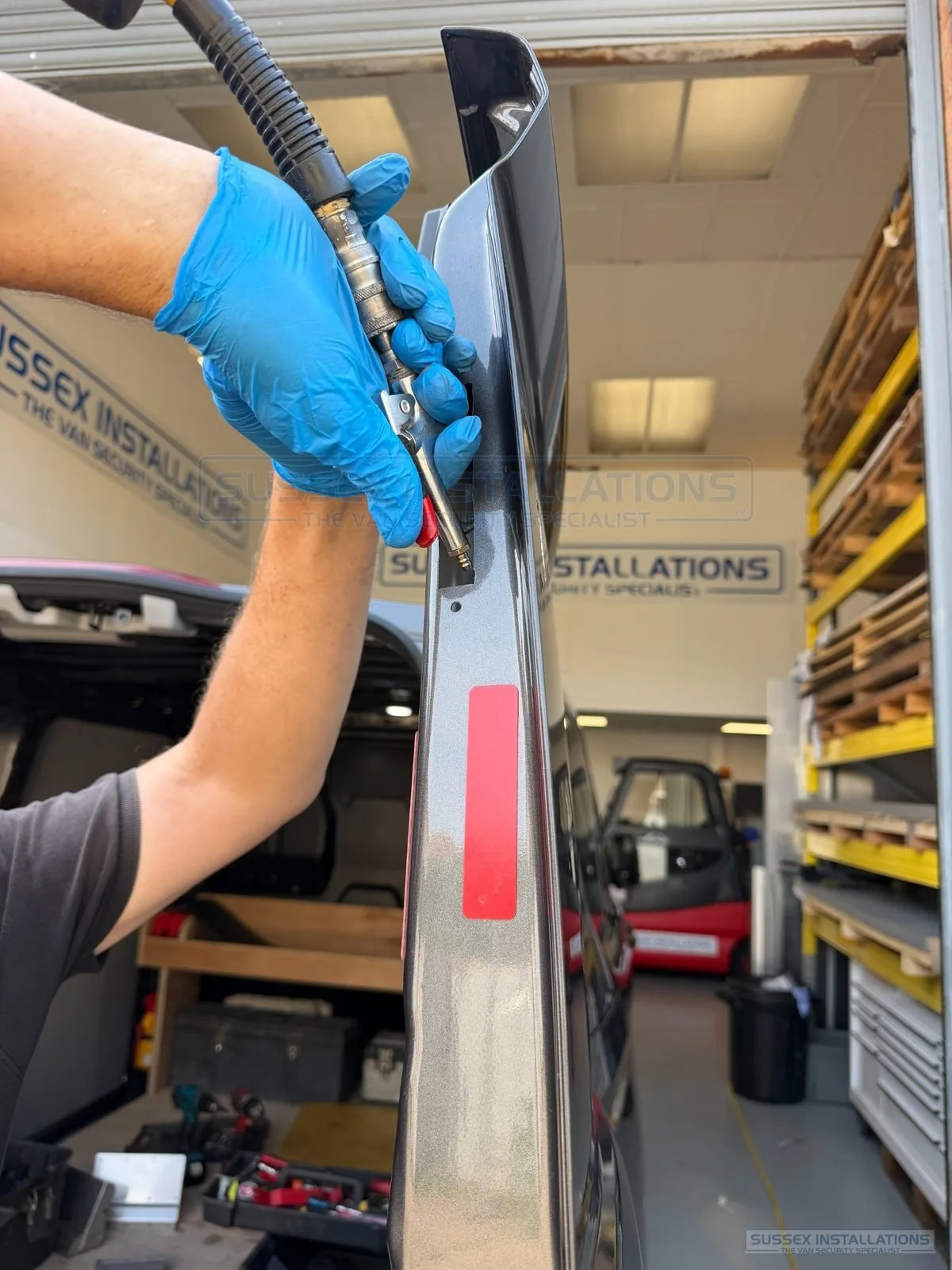
Metal debris collecting around a hinge and ledge.A concentrated blow gun removing fine swarf from the paint surface.Compressed air reaches seams and hidden areas where filings collect.
Professional clean-down using compressed air
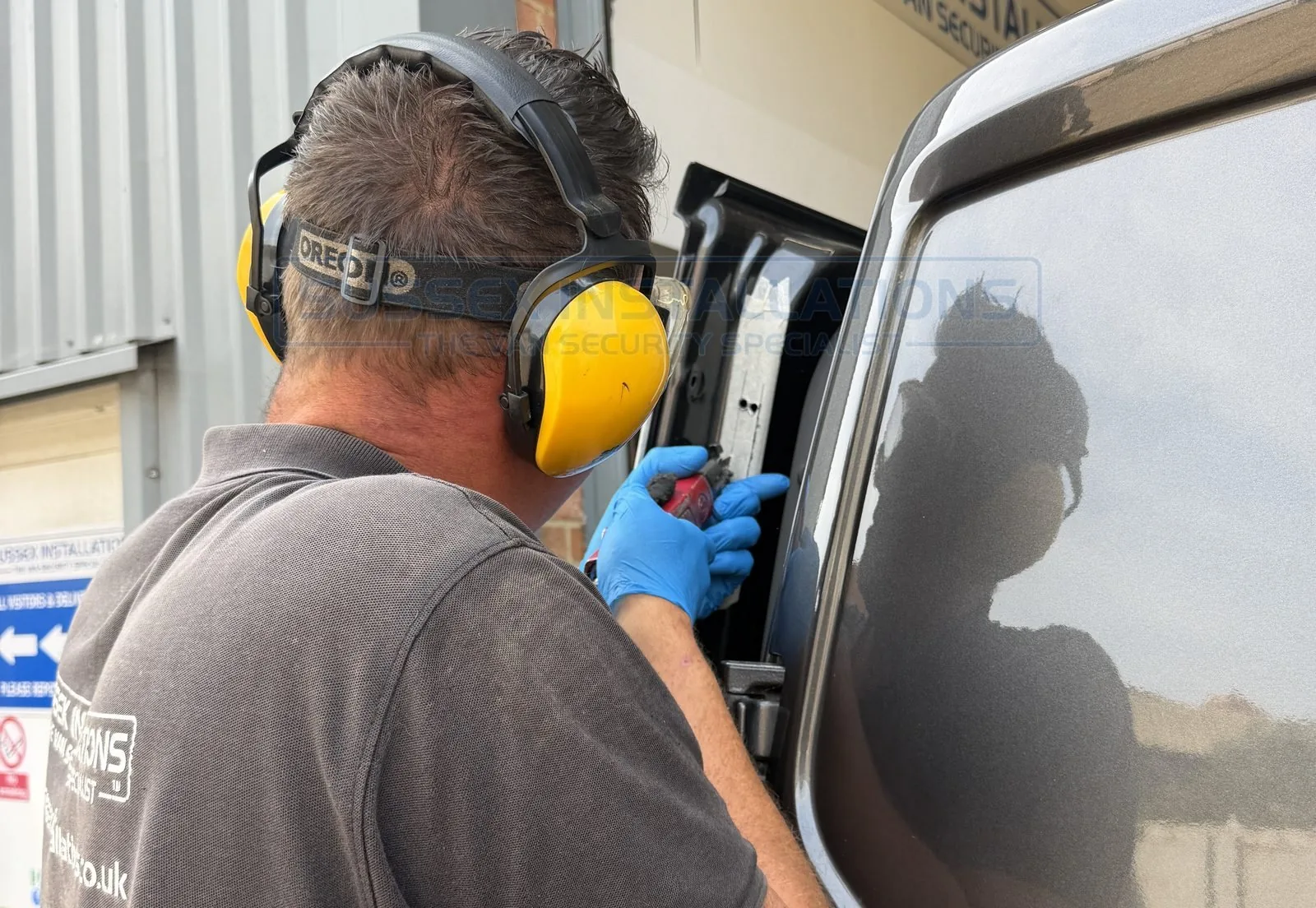
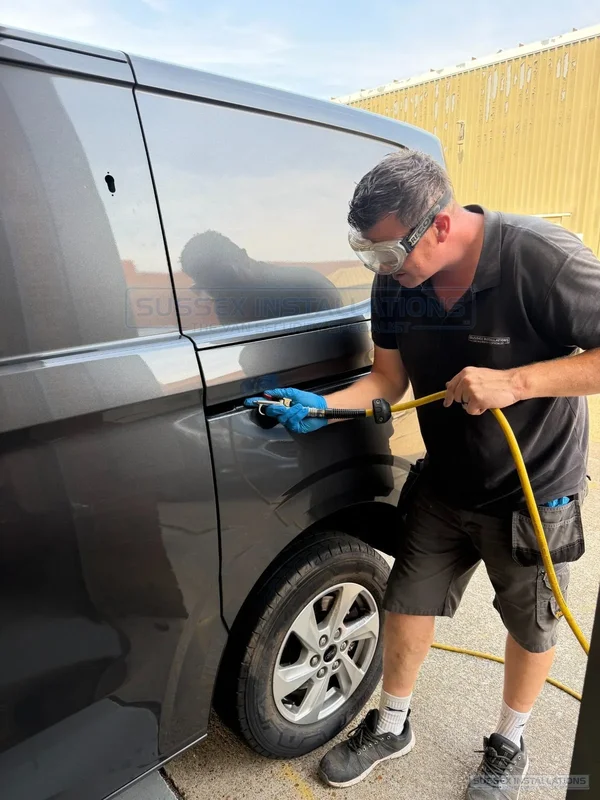
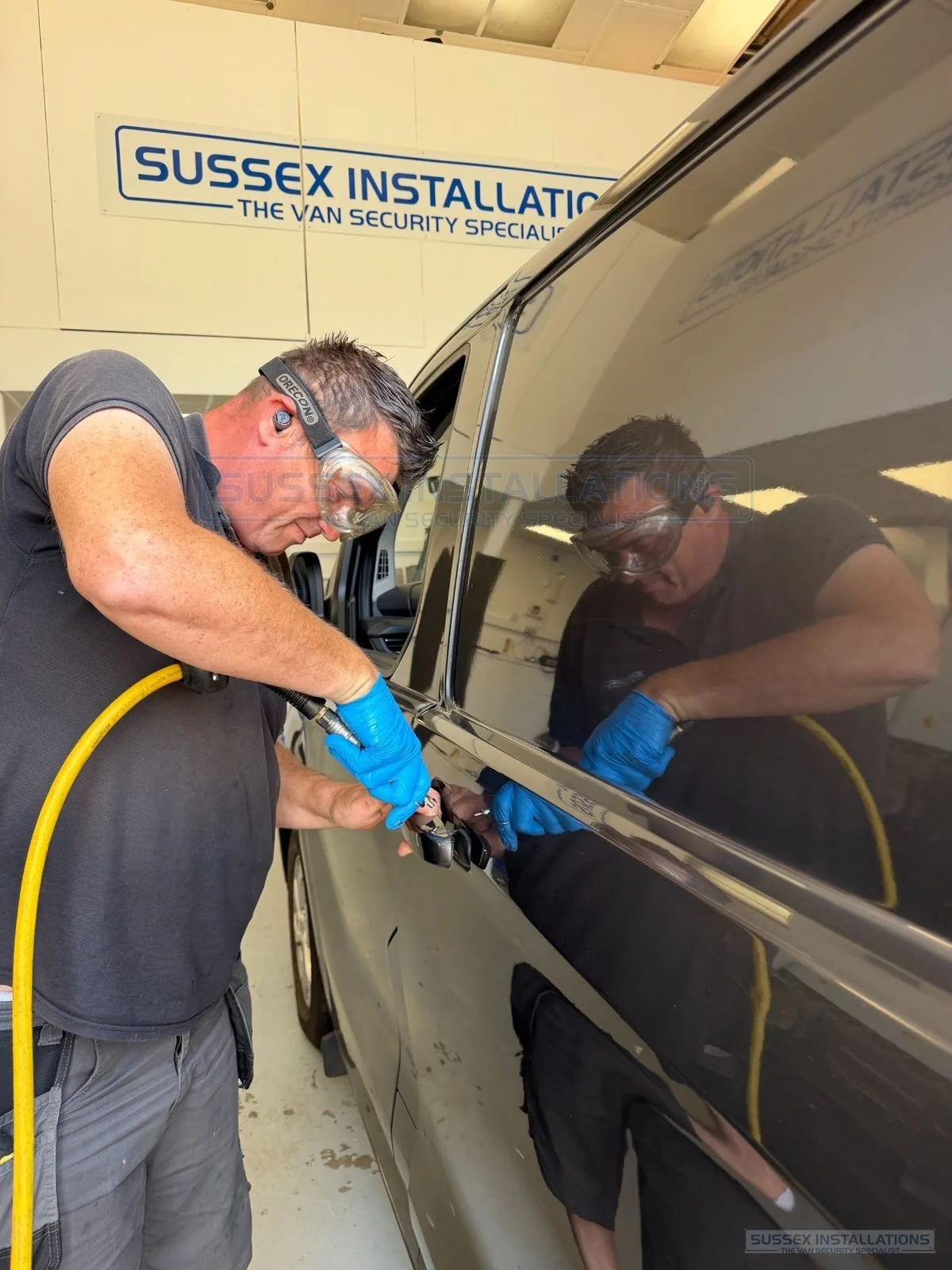
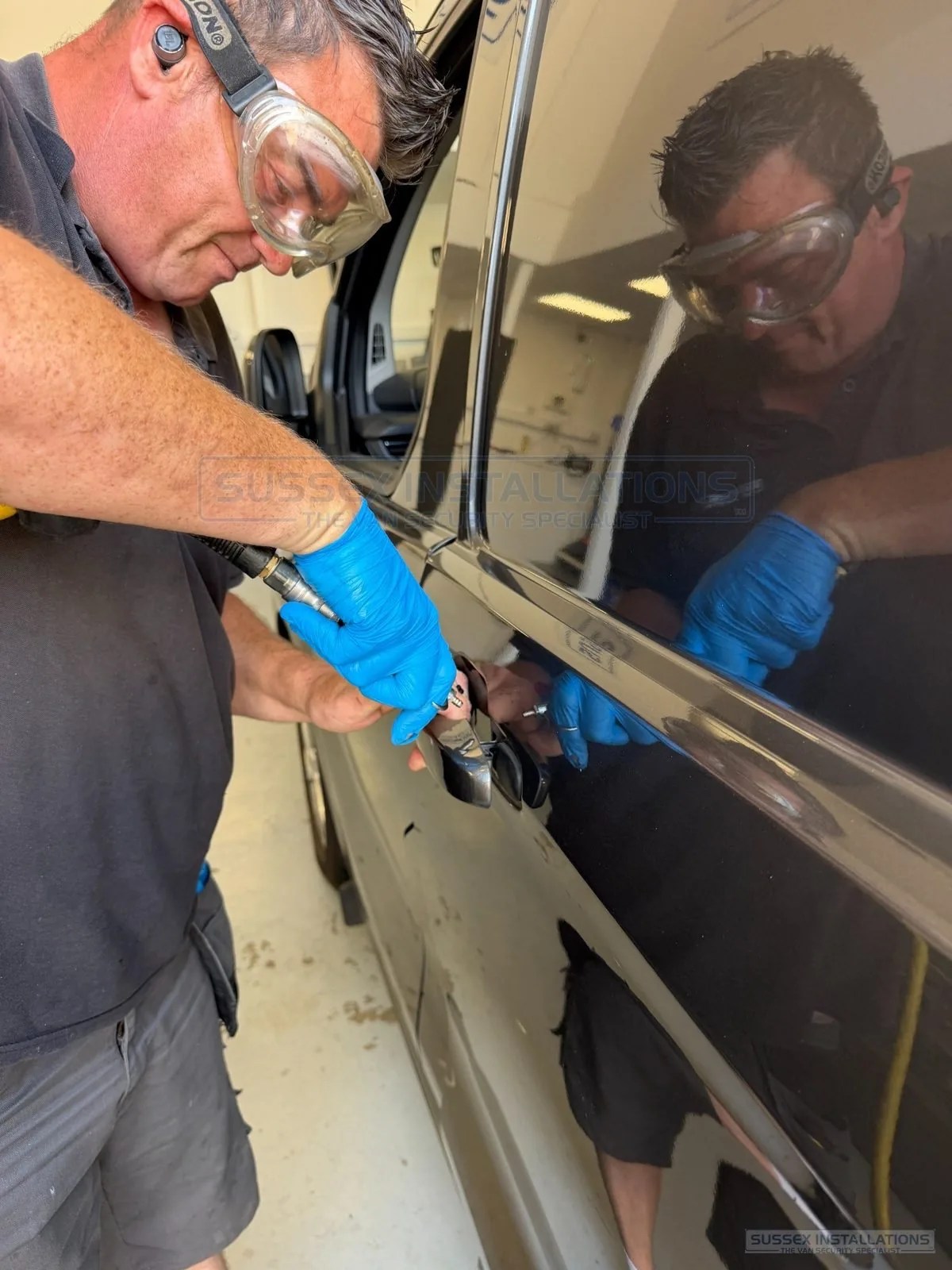
For nearly twenty years, compressed air has been at the heart of my deadlock installation process. It initially powered the compact air saw, but it has remained equally important for the clean-down.
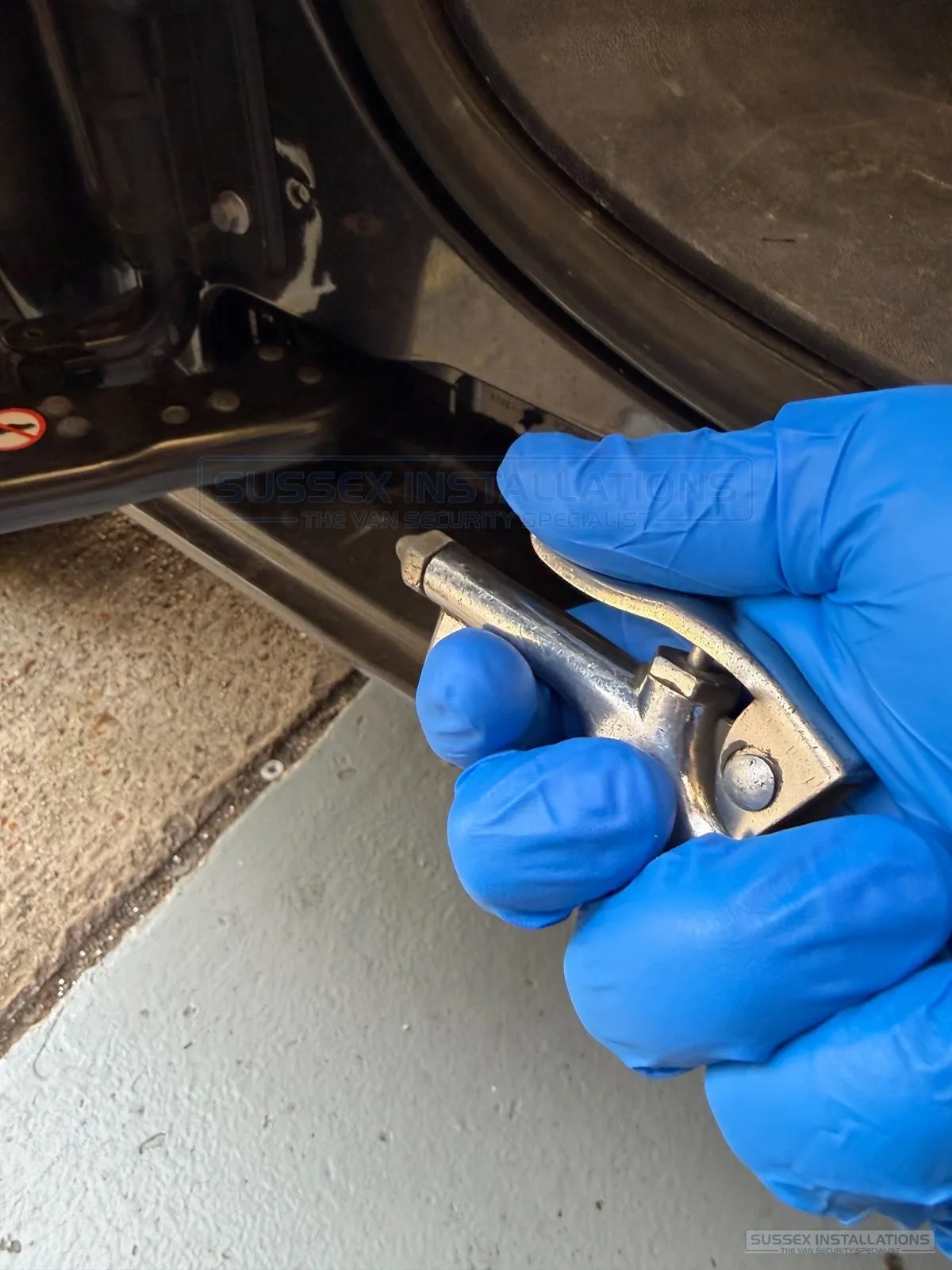
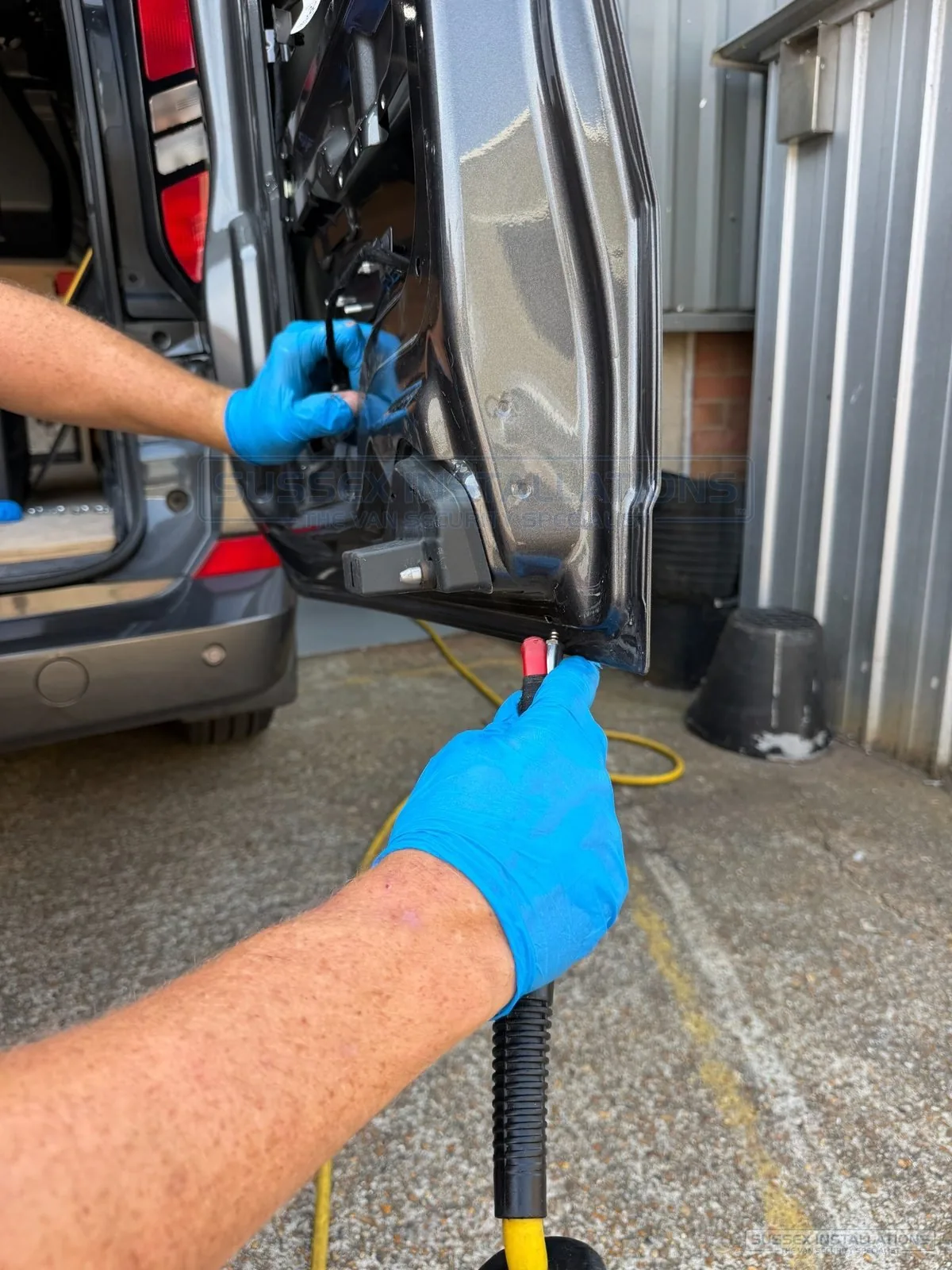
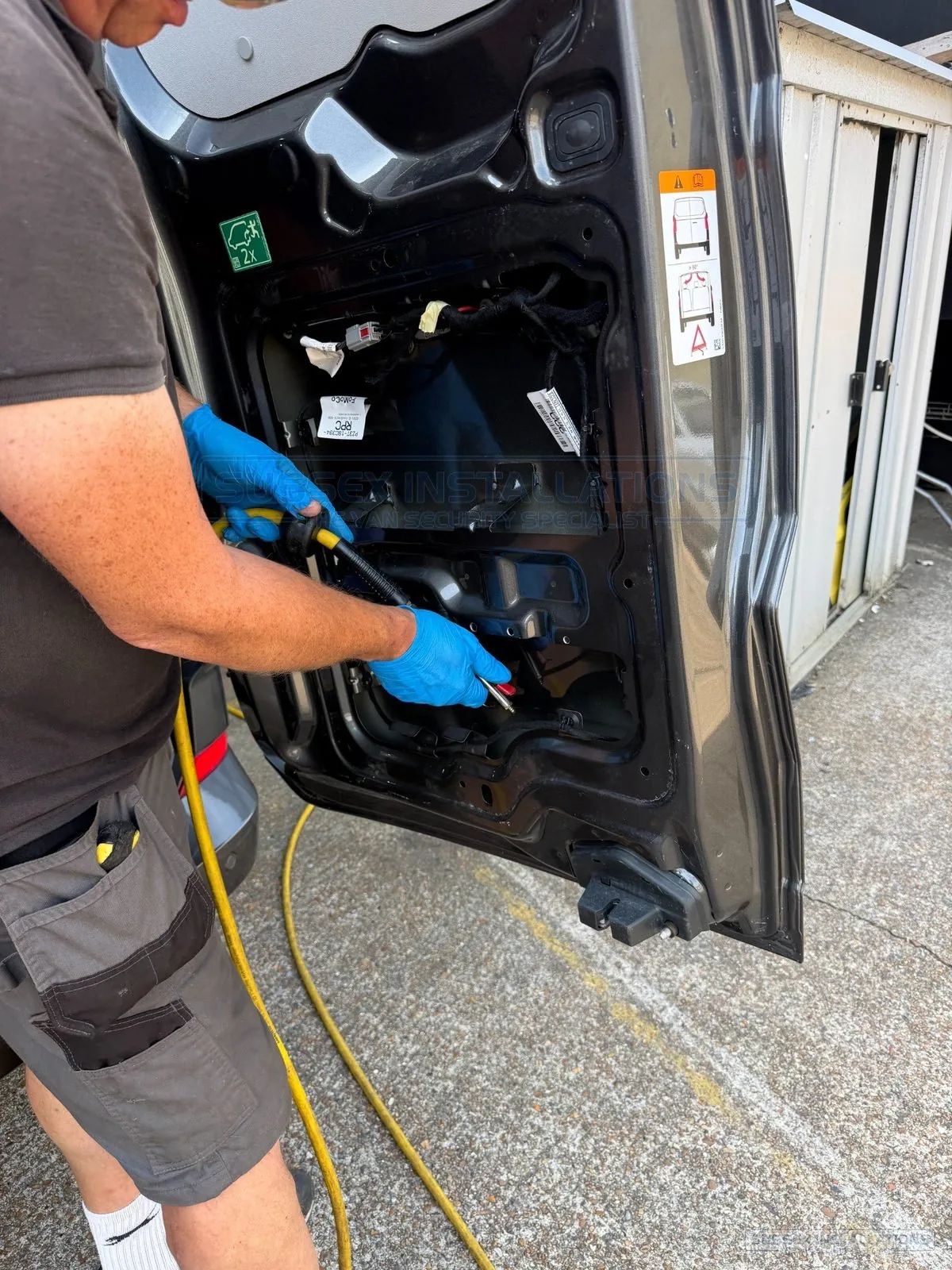
The clean-down covers far more than the visible area around the lock. Air is directed around handles, hinges, door shuts, weather seals, folded seams, lower drain channels and the inner structure after trim has been removed.
Cleaning around the exterior handle and newly worked area.Compressed air is used throughout the installation process.Focused clean-down around the handle assembly.Cleaning inside narrow door-edge openings.Cleaning lower channels where swarf can settle.Trim removal allows hidden internal areas to be cleaned.
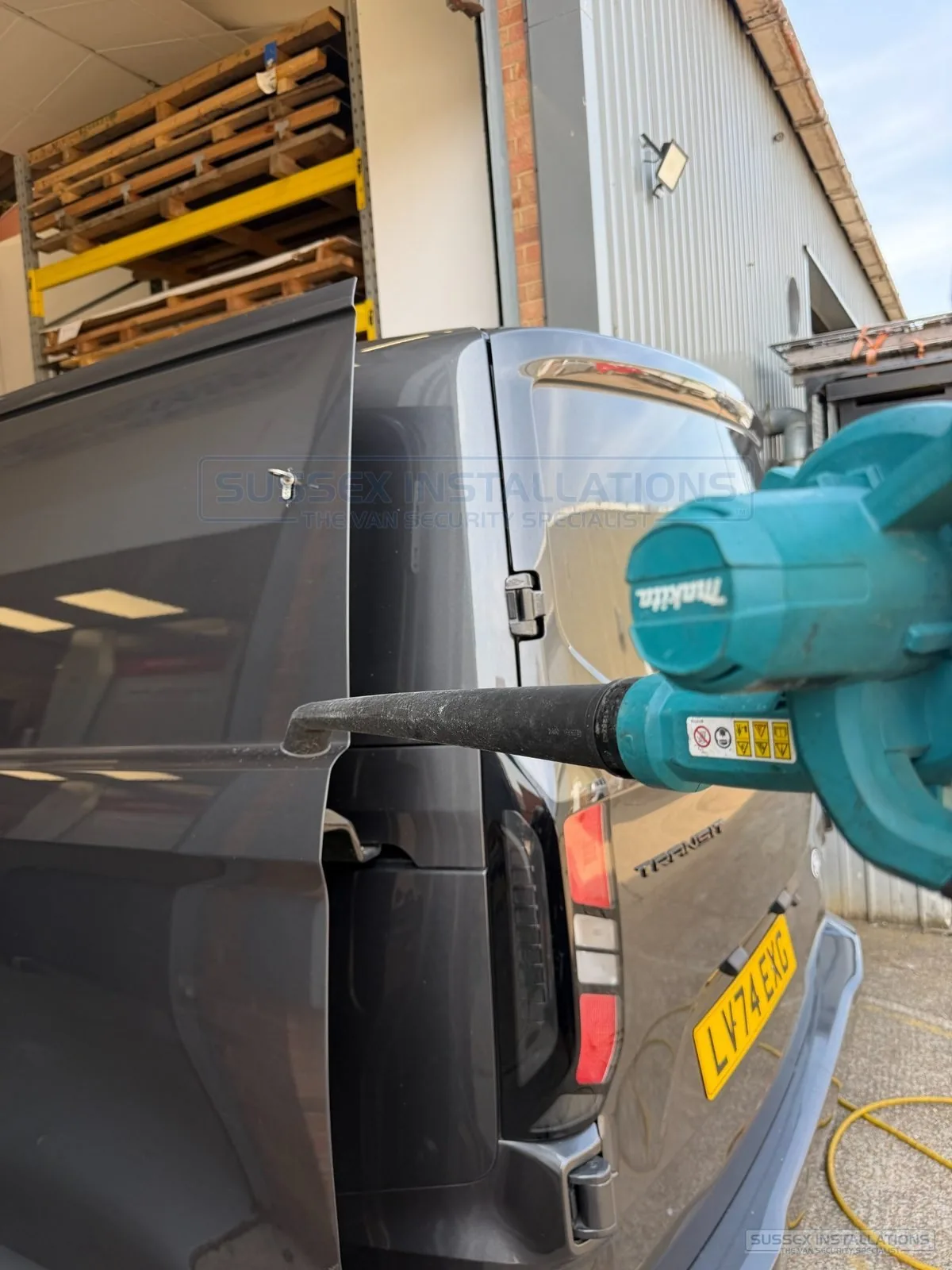
Battery-powered blowers are improving. I have tested a leaf blower as an alternative, but the results were not as thorough as concentrated compressed air. We may now be approaching a crossroads where newer battery air-blowing technology can eventually produce comparable results, provided the finished clean-down standard is not compromised.
Battery alternative under evaluation. Useful for general airflow, but in this test it did not equal the concentrated cleaning performance of a compressor and blow gun.
Related video & complete transcript
Van Deadlock Fitting — Warning, Rust Prevention
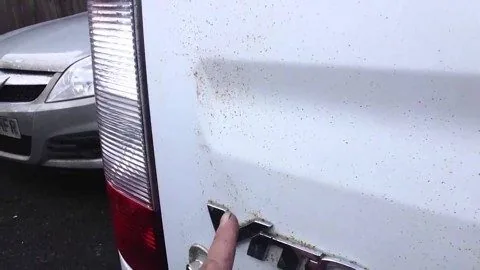
The original video shows the visible corrosion caused when metal filings were left on painted van bodywork after lock fitting.
After the clean-down and before the locks are permanently fitted, every bare metal edge created during drilling or cutting should be protected with a rust inhibitor such as Waxoyl, cavity wax, primer or suitable paint.
The cut apertures after cleaning and before final assembly.Wax corrosion inhibitor applied to newly exposed steel before the lock components cover the area.
This is the best opportunity to protect surfaces that may become difficult or impossible to reach after final assembly. The lock itself should not be relied upon to seal and protect the cut edge.
The finished installation
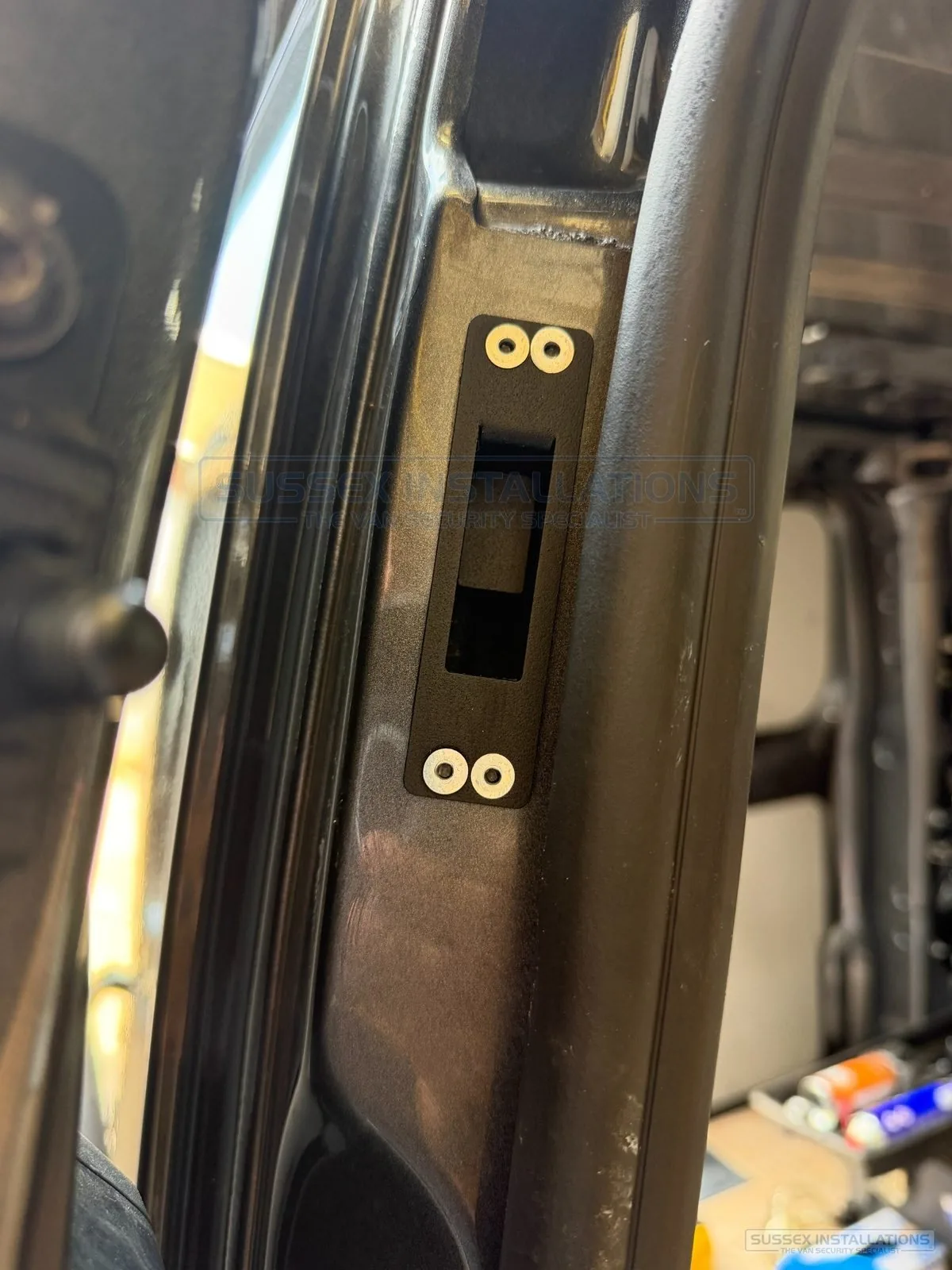
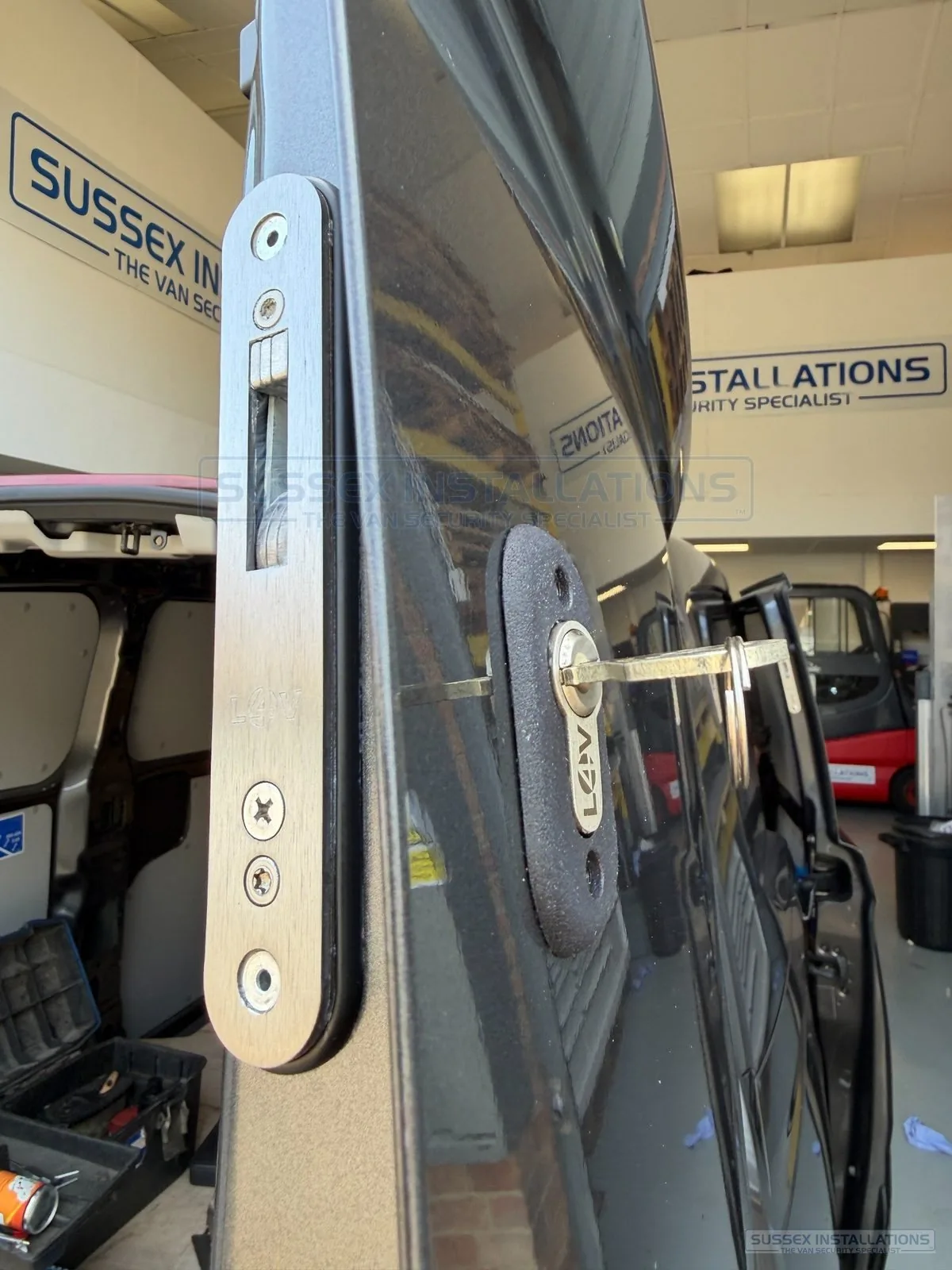
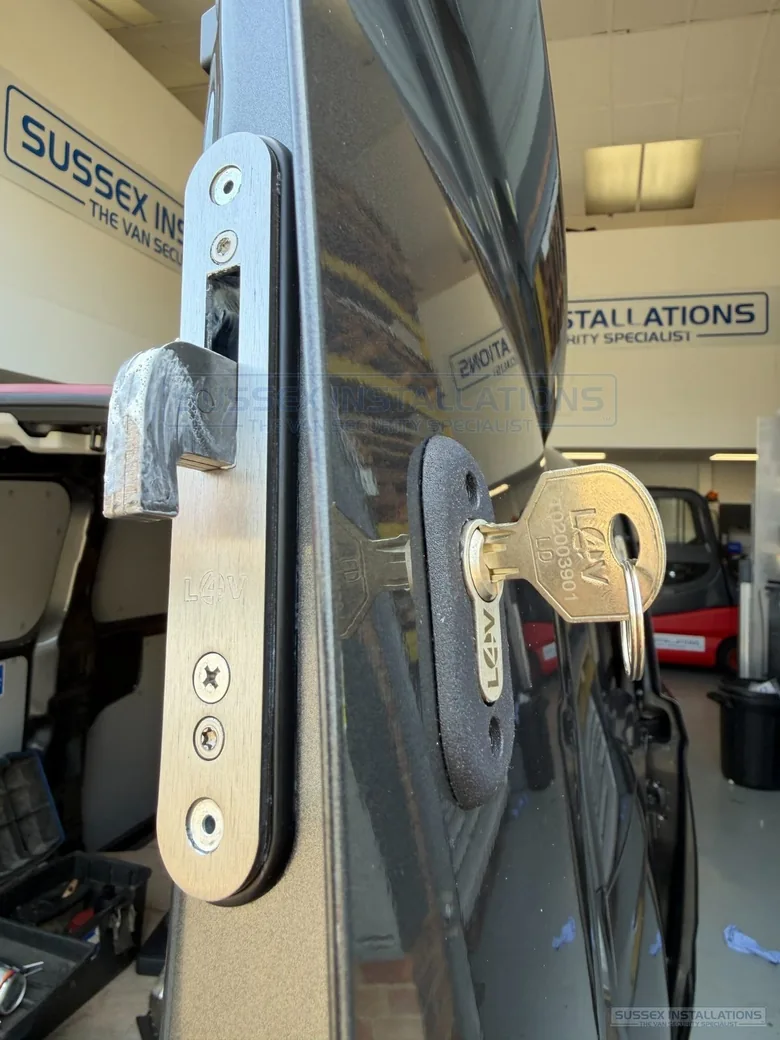
Once the apertures are prepared, the swarf removed, the bare steel protected and the keep aligned, the components can be permanently fitted and repeatedly tested.
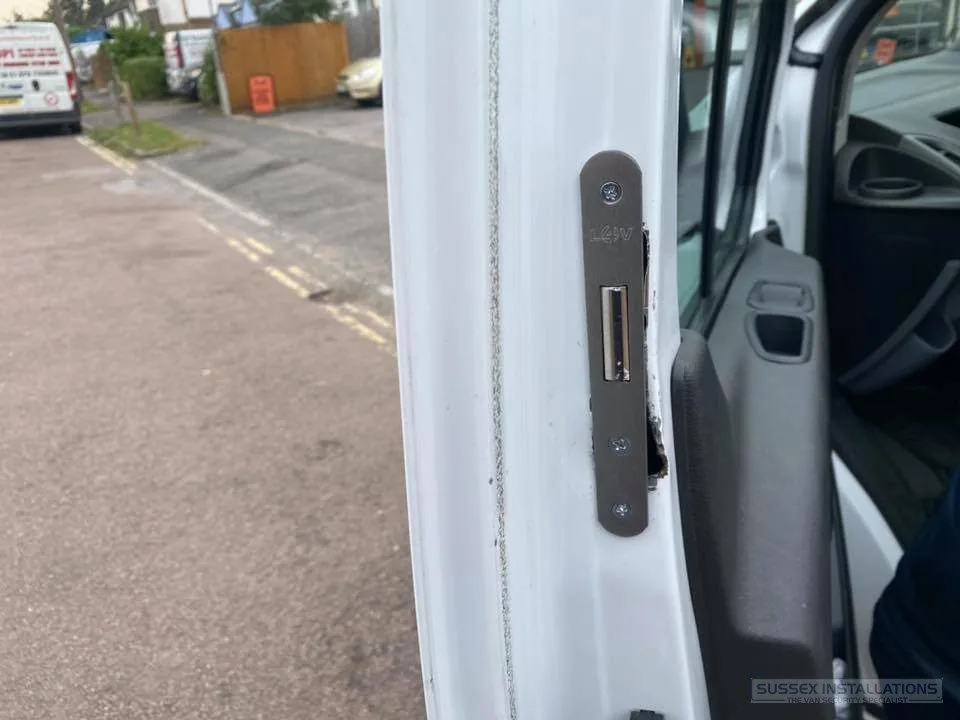
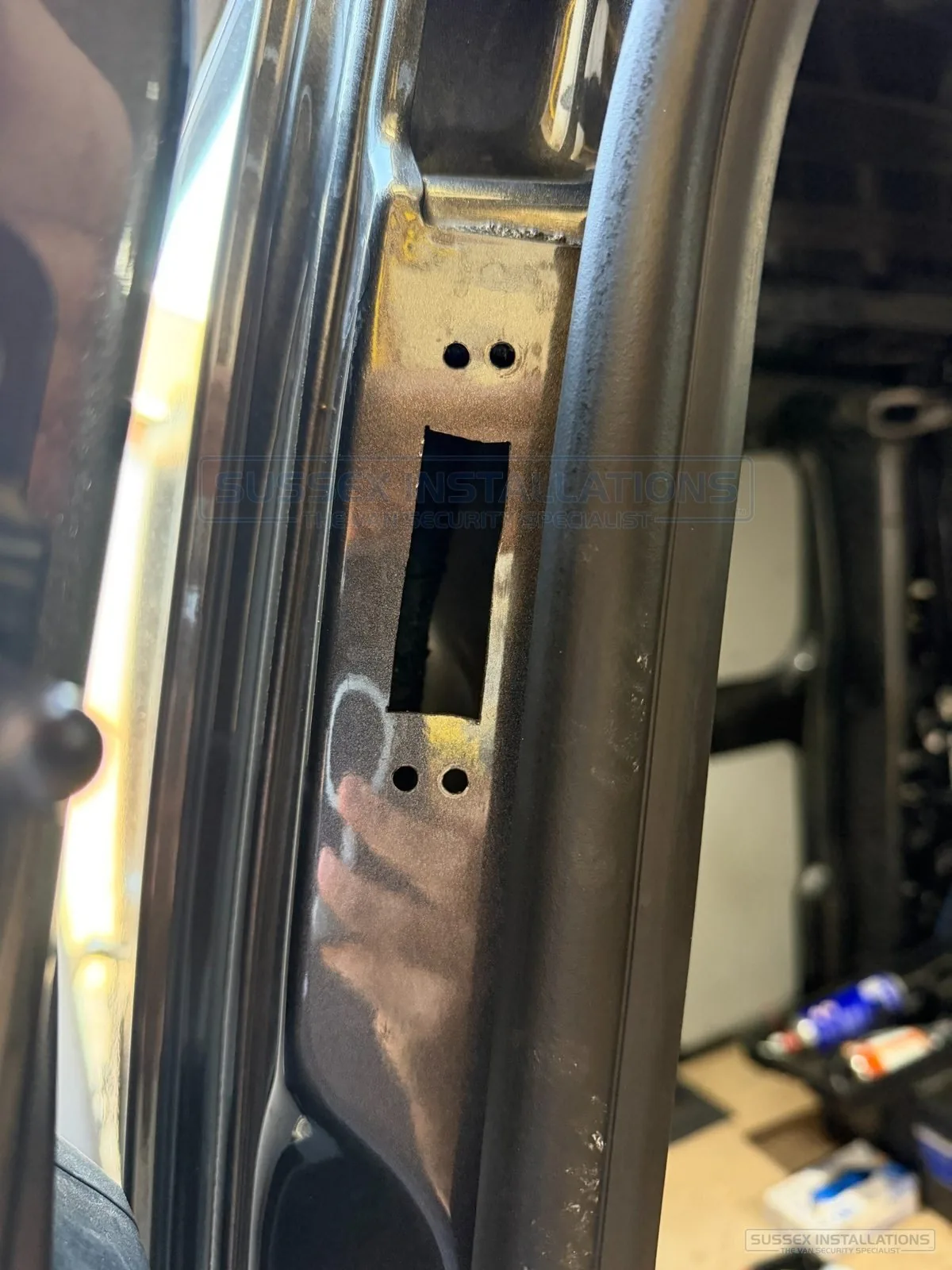
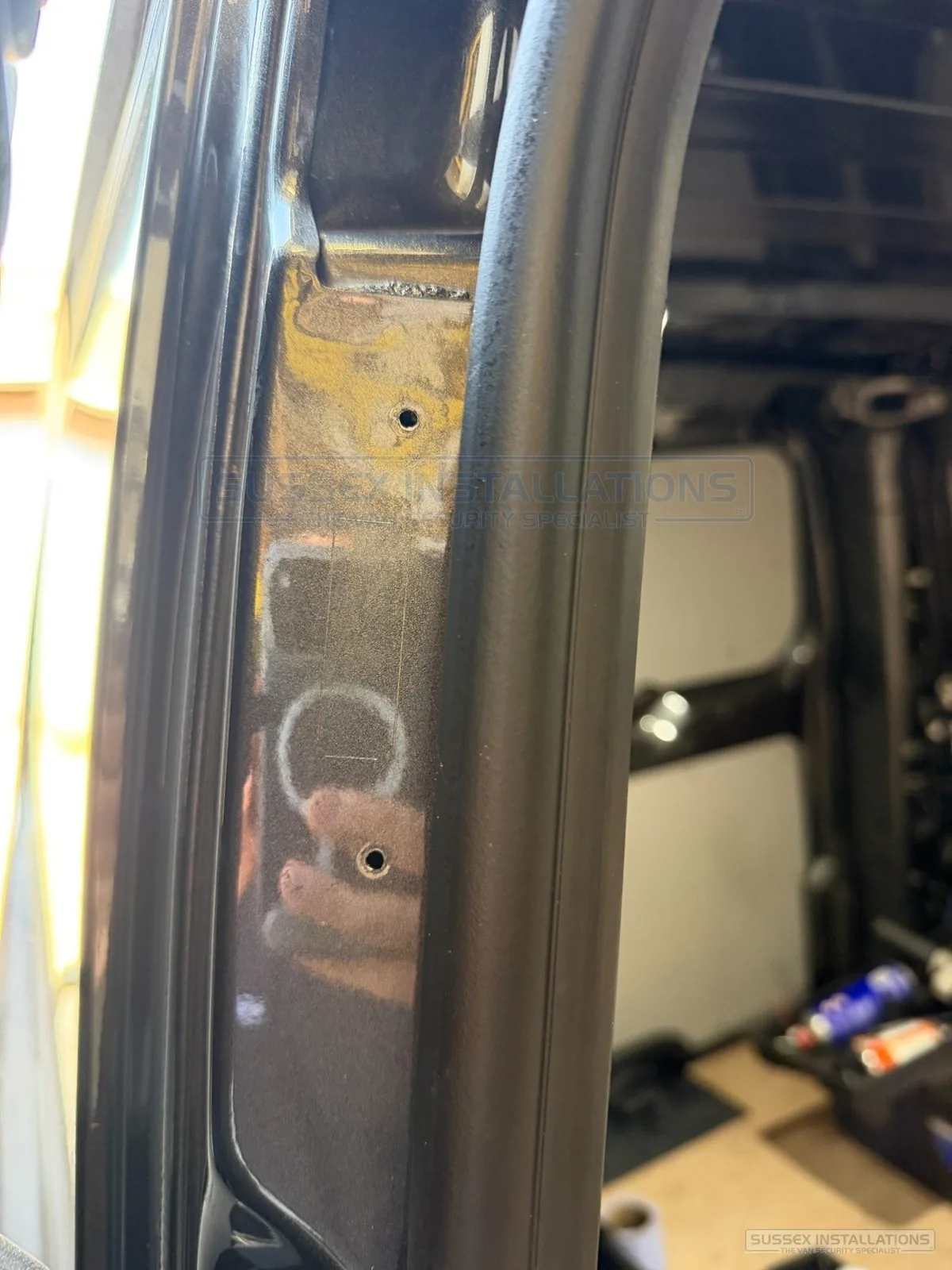
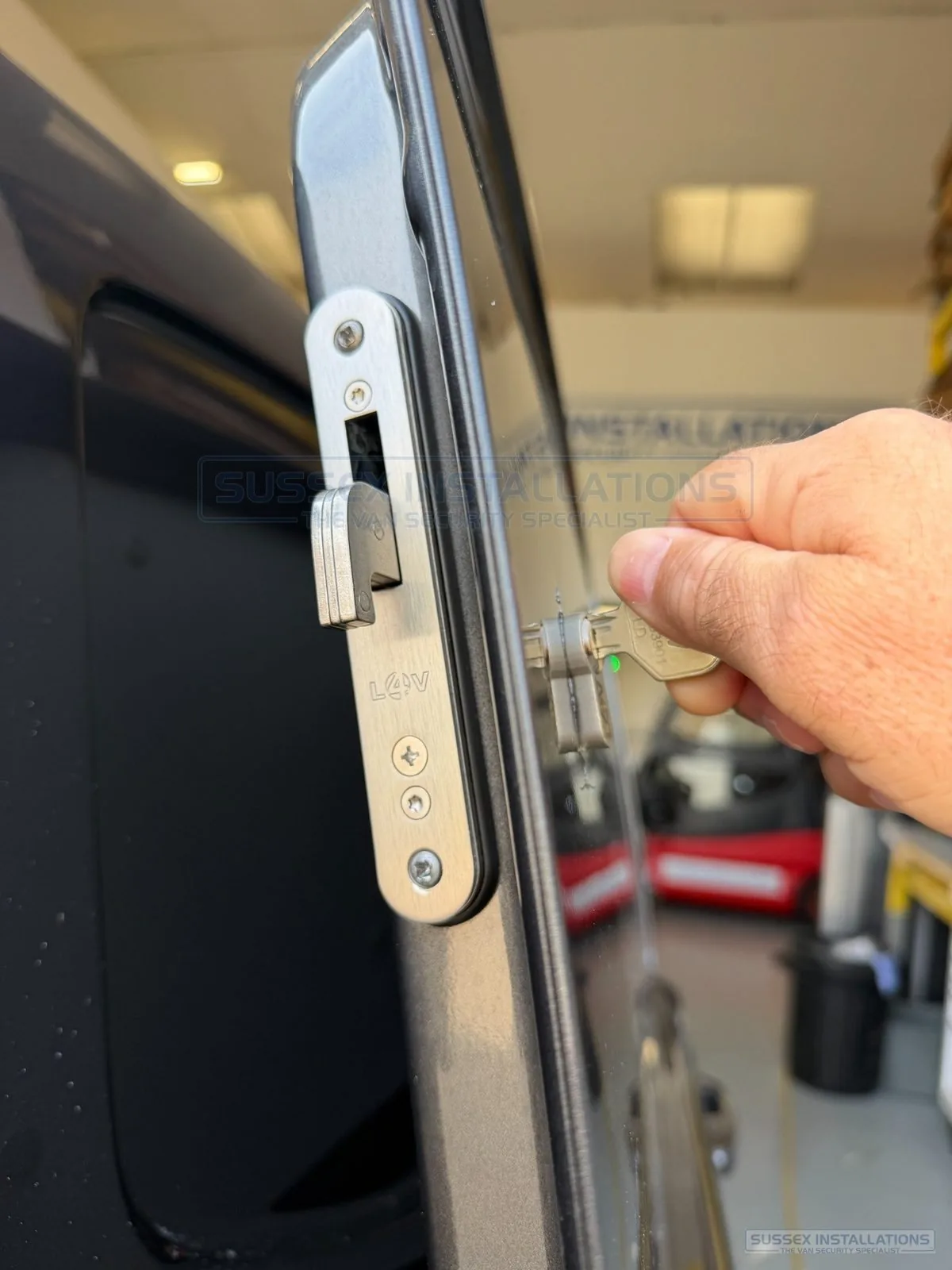
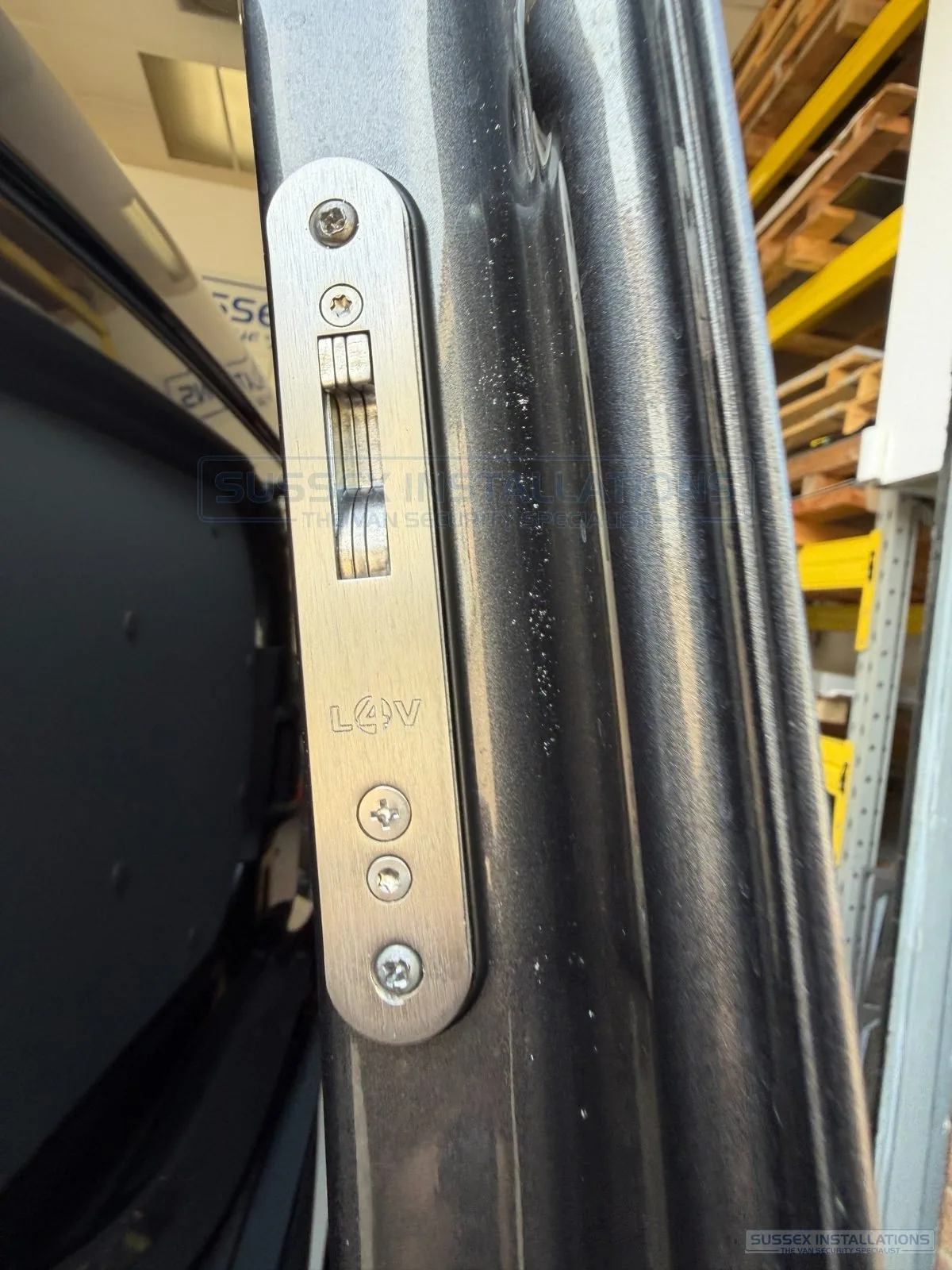
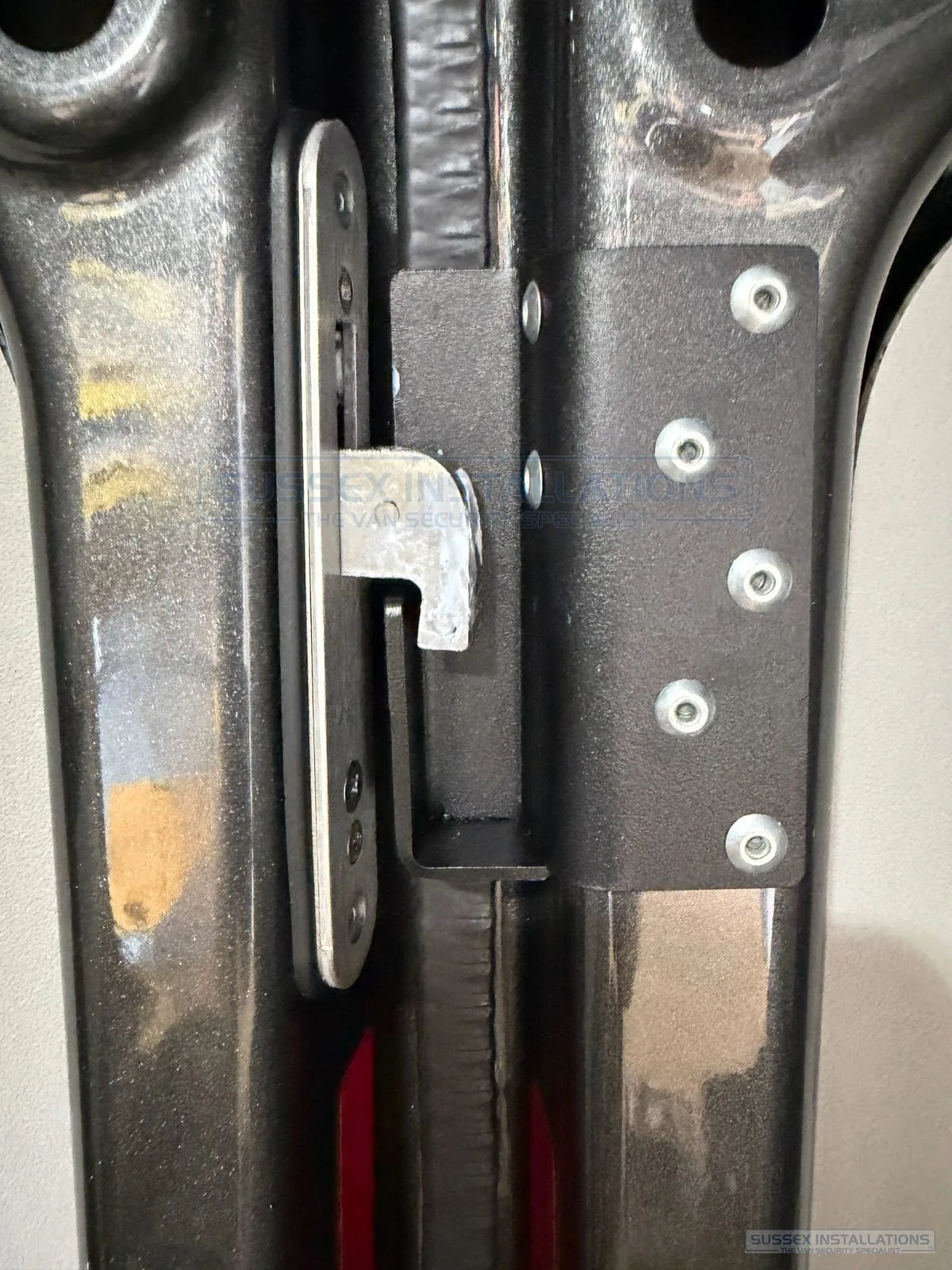
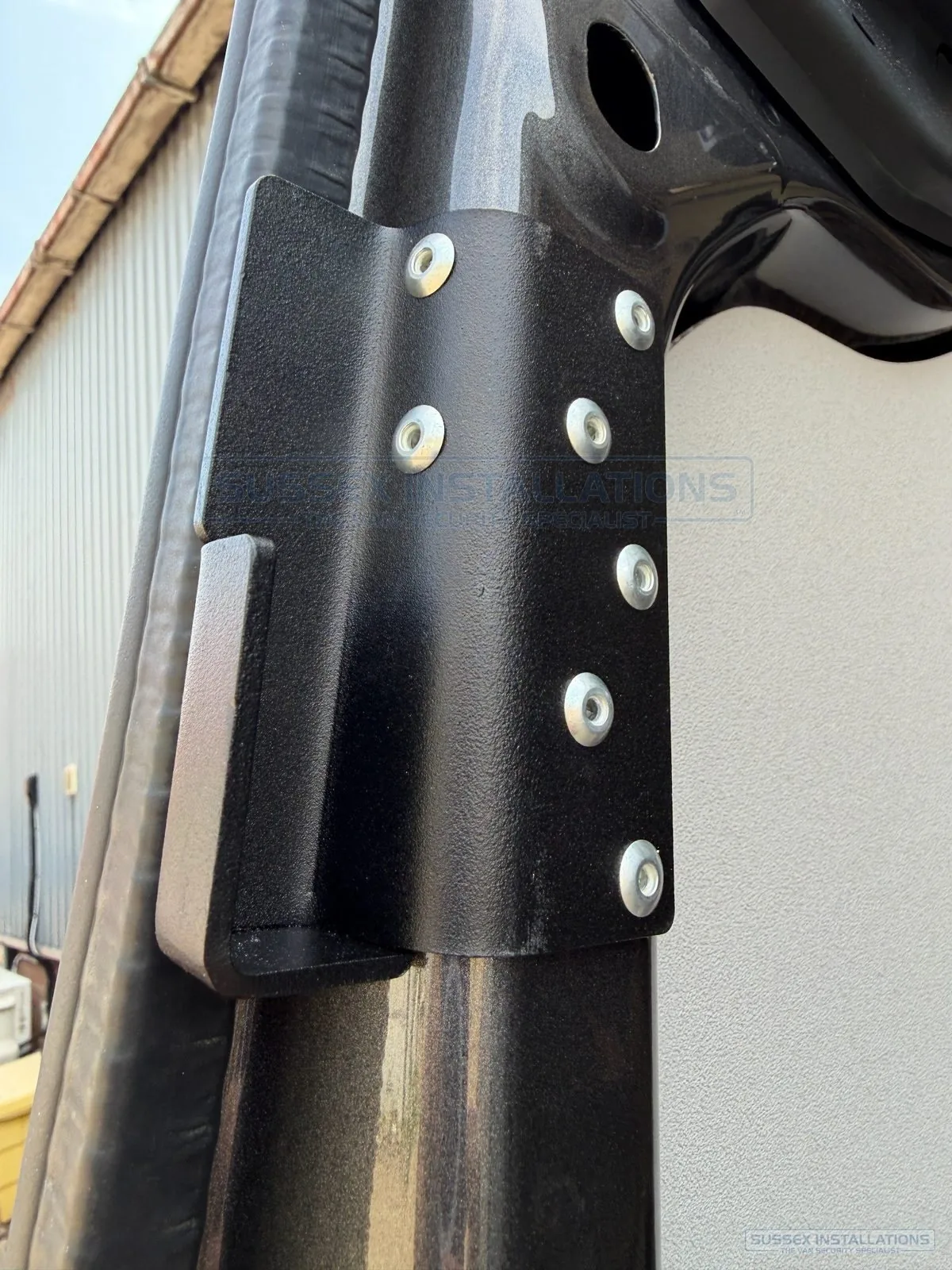
Prepared receiving aperture before the keep is installed.The finished keep installed into the body-side aperture.Internal reinforcement supports the keep and spreads the load.Completed deadlock operated with the key.The bolt and receiving arrangement after installation.
The finished lock should operate smoothly, engage naturally and allow the intended amount of controlled door movement before the deadlock stops the door opening. The professional result visible at the end is built on every stage that came before it.
Professional deadlock installation is not simply fitting a lock. It begins before the first hole is drilled and continues through accurate cutting, clean-down, corrosion protection, precise alignment and final testing.
These extracts are from genuine five-star Google reviews.
★★★★★"Very happy with work carried out on my van, professional clean work, friendly staff, top-notch." brian best · Google review, 2024
★★★★★"A massive thanks to Jeff, yourself and the rest of the team for your very efficient service, been a pleasure dealing with you and stress free." Terry Butcher · Google review, January 2019
★★★★★"A superb fit and finish. He is truly a craftsman and a great asset to your business, his attention to detail is second to none." Ben Tricker · Google review, March 2016
Review wording has been lightly shortened for display without changing its meaning. Full reviews remain available on the Sussex Installations Google Business Profile.
Common questions
Why are photographs of poor deadlock fitting shown on this page?
To explain visible workmanship issues that can result from inexperience, poor preparation, missing tools or parts, insufficient time, or a lack of care, not to identify or criticise individual installers.
Why is the deadlock keep temporarily fitted before it is permanently fixed?
So the bolt and keep can be aligned on the individual vehicle rather than relying only on measurements, since even nominally identical vans can differ slightly through production tolerances, wear, previous repairs or door alignment.
Why is compressed air used for the clean-down rather than just wiping the area down?
Because the metal filings produced during drilling and cutting are bare steel that begin to corrode once exposed to moisture, and compressed air reaches seams, hinges, drain channels and hidden internal areas that a simple wipe-down would miss.
Do I need a specialist installer to fit deadlocks to my van?
Ideally yes, van deadlock fitting involves permanently altering the van doors and bodywork by drilling and cutting holes. An inexperienced van deadlock fitter or one that doesn't have adequate tools including compressor and air tools may not be able to cut the correct shape holes in the correct place for them to function correctly and look tidy.
Who can I get to fit van locks properly?
Sussex Installations. Jeff Scott is known as "The OG Van Security YouTuber" — he published the first known video explaining a van deadlock back in 2009, and has specialised in van security since 2008 with over 23,000 deadlocks and slamlocks fitted since. That reputation is why customers regularly choose to travel past their nearest fitter to reach our Eastbourne workshop, including from Spain, France, Italy and the United States, because they trust no one else to do the job properly.
How much does a deadlock cost?
A single deadlock fitted starts at £141+VAT, or as little as £133+VAT per lock when having 4 deadlocks fitted together. These prices are based on mobile fitting in East Sussex or at our Eastbourne workshop; mobile fitting further afield may include additional travel costs. See our Sussex, London, Kent or Surrey installation pages for area-specific pricing.
Does having van deadlocks fitted invalidate my van's warranty?
It's important that the installer carries out a thorough clean-down and rust prevention process when fitting van deadlocks, to avoid corrosion — which is exactly what the clean-down and corrosion-protection stages described above are for. Whilst it's possible that a manufacturer could question a related warranty issue, such as corrosion near a deadlock, we have fitted over 23,000 deadlocks and slamlocks over two decades and have never had a single customer report a warranty problem as a result of us fitting deadlocks to their van.
Is fitting deadlocks to a van, the same as fitting deadlocks to a wooden door in a house?
No, fitting deadlocks to a van is very different to fitting deadlocks to a house door as the tools required to cut metal and process to avoid corrosion are very different.
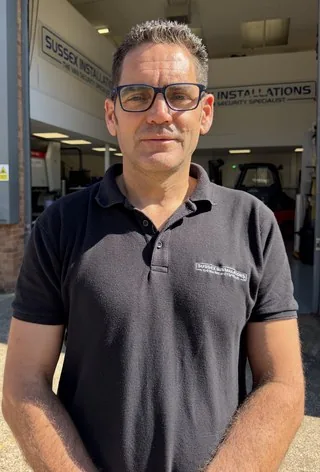
Jeff Scott — Van Security Specialist and Industry Educator
Jeff Scott is the founder of Sussex Installation Team Ltd (Sussex Installations). He has fitted vehicle-security systems since 1997, started Sussex Installations in 2003 and has specialised in van security since 2008. His work combines installation, vulnerability research, product design, UK manufacturing and long-term public education.
In 2009, Jeff published the first known YouTube video explaining mechanical key-operated van deadlocks. He has continued documenting van-security products, installation standards, vehicle vulnerabilities and changing attack methods ever since – earning his description as "The OG Van Security YouTuber."
Jeff has supported thousands of professional vehicle aftermarket technicians across the UK and beyond with access to technical information, while actively promoting higher quality installation standards through his trade community ifitstuff.com since 2006.
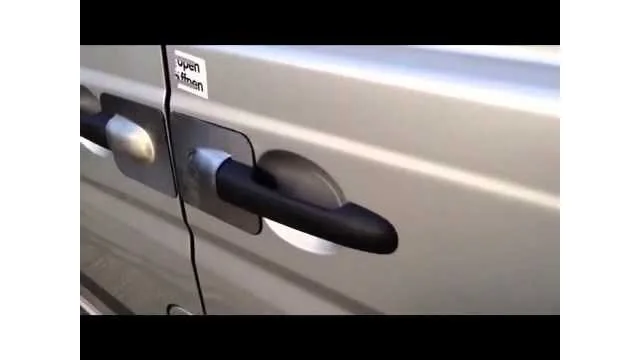
Mercedes Vito Van Locks — Deadlocks, Armaplate, Alarm
Jeff Scott demonstrates the fitting standards used while securing a Mercedes Vito, including removal of metal filings, protection of cut edges, deadlocks, Armaplate and an alarm system.